
Dress Styles Through the Decades: Shaping Self-Expression
Over time, American dress styles have reflected far more than changing tastes—they document history itself. Clothing choices have marked pivotal shifts in culture and identity from the early days of Colonial America through the bold fashion revolutions of the twentieth century. With fashion recognized globally as a form of personal empowerment, understanding how dress evolved in American society offers a deeper look at our shared journey of self-expression, resilience, and creative transformation.
Table of Contents
- Defining Dress Styles Through History
- Key Trends From The 1920s To Today
- Cultural Influences On Fashion Evolution
- Iconic Dresses And Their Enduring Impact
- Modern Interpretations And Personal Style Choices
Key Insights
| Point | Details |
|---|---|
| Fashion as a Narrative | Fashion reflects cultural shifts and personal expression, serving as a visual biography of societal transformations. |
| Empowerment through Style | Dress styles have historically been used as mechanisms for personal empowerment and silent rebellion against societal norms. |
| Evolution of Personal Style | Today’s fashion landscape emphasizes individual expression, celebrating diversity and fluidity in style choices. |
| Cultural Exchange in Fashion | Global influences and local traditions interweave to create a rich tapestry of contemporary fashion narratives. |
Defining Dress Styles Through History
Fashion is far more than fabric draped on bodies. It’s a powerful language of self-expression, communicating cultural shifts, social dynamics, and personal narratives across generations. The Berg Encyclopedia of World Dress and Fashion reveals how clothing transcends mere utility, serving as a profound visual biography of human experience.
Throughout history, dress styles have been intricate reflections of societal transformations. From restrictive Victorian corsets symbolizing rigid social hierarchies to the liberating silhouettes of the 1920s flapper dresses, each era’s fashion tells a complex story of women’s evolving roles and identities. Historical fashion guide researchers note that clothing has consistently been a mechanism for challenging and redefining social norms.
According to Dr. Hina Kausher’s groundbreaking study in the International Journal of Advanced Academic Studies, fashion serves as more than aesthetic expression - it’s a critical tool for personal empowerment and social communication. Each dress style represents a moment in time, capturing the zeitgeist of its cultural context while simultaneously providing individuals a canvas for personal storytelling. Women have consistently used fashion as a form of silent rebellion, negotiating personal identity within broader societal constraints.
Understanding dress styles isn’t just about chronological progression - it’s about recognizing fashion as a dynamic, living narrative of human creativity and resilience. From structured silhouettes to fluid designs, every stitch and seam speaks to our collective journey of self-discovery and transformation.
Key Trends From the 1920s to Today
The landscape of fashion is a dynamic canvas, painting the evolving story of social liberation and personal expression. The 1920s marked a revolutionary moment for women’s fashion, symbolized by the iconic flapper dress - a radical departure from previous restrictive styles. Understanding 1920s style women reveals how hemlines rose, silhouettes became more relaxed, and women began challenging traditional dress codes.
As decades progressed, fashion became a powerful narrative of cultural shifts. The crinoline’s structural revival in the 1930s and 1940s demonstrated how clothing shapes and reflects societal expectations. Meanwhile, the Peacock Revolution of the 1960s transformed men’s fashion, introducing vibrant colors and challenging gender-normative dressing, proving that style is never just about appearance - it’s about making a statement.
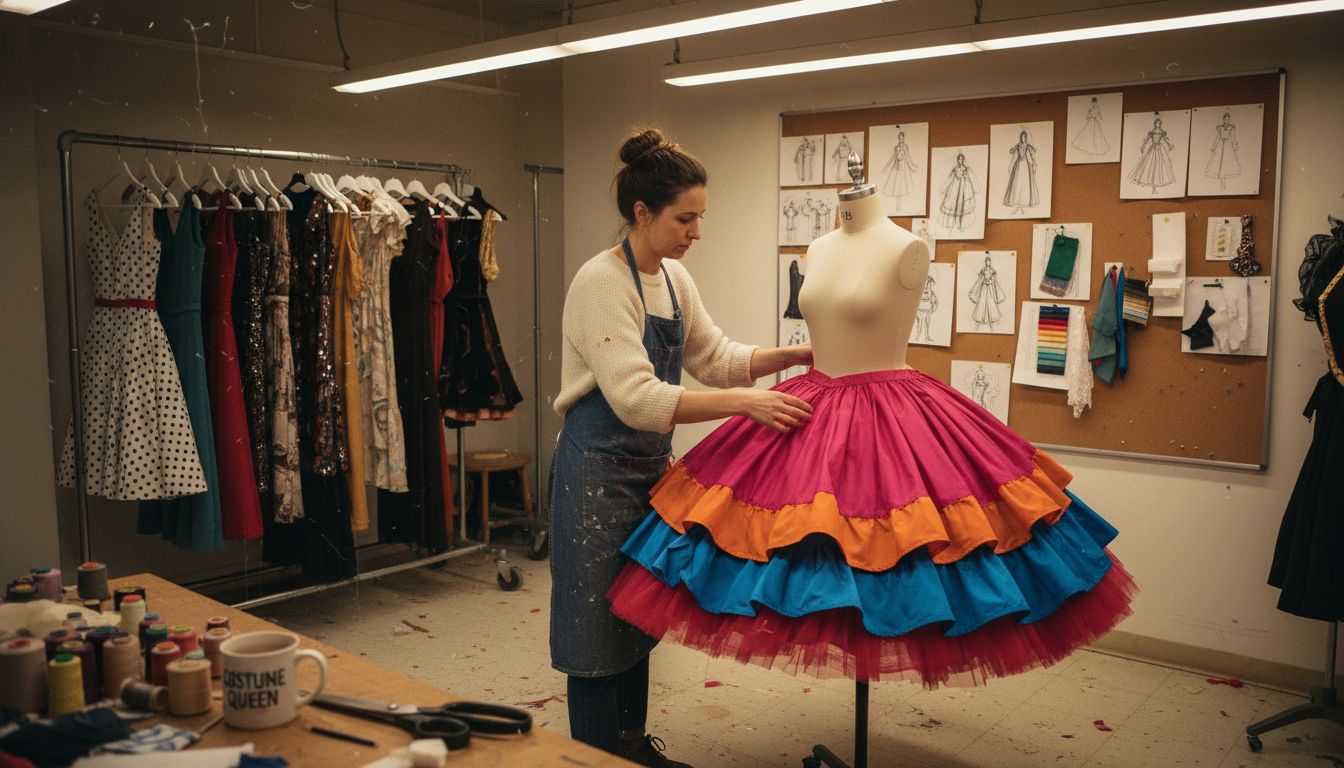
The latter part of the 20th century saw an explosion of diverse fashion movements. From punk’s rebellious leather and safety pins to hip hop’s oversized aesthetics, each decade brought unprecedented freedom of personal style. Women’s fashion particularly underwent dramatic transformations, with power suits of the 1980s representing professional ambition, and grunge styles of the 1990s rejecting conventional beauty standards.
Today’s fashion landscape celebrates individual expression more than ever before. Boundaries between traditional gender fashion have blurred, sustainable and inclusive design principles are gaining prominence, and personal style has become a profound form of storytelling. What we wear continues to be a powerful, unspoken language of identity, resilience, and personal empowerment.
Cultural Influences on Fashion Evolution
Fashion is a profound reflection of cultural dialogue, constantly evolving through complex interactions between societal norms, artistic expressions, and global exchanges. Innovative research in cultural heritage and fashion design reveals how clothing serves as a dynamic canvas for cultural storytelling, bridging traditional aesthetics with contemporary sensibilities.
Global fashion trends demonstrate an intricate interplay between local traditions and international influences. Textile techniques, color palettes, and design philosophies emerge from deep cultural roots, transforming traditional elements into modern statements. The influence of music on fashion exemplifies this phenomenon, with musical subcultures consistently reshaping style narratives and challenging societal expectations.
Meenu Singla’s groundbreaking research in the Indian Journal of Fashion Technology highlights how cultural factors fundamentally shape global fashion trends. The fusion of modern and traditional elements creates a rich tapestry of design, where clothing becomes a powerful medium of cross-cultural communication. Indigenous textile techniques, regional color symbolism, and historical narratives continuously inspire designers to create collections that transcend geographical boundaries.
Today’s fashion landscape celebrates diversity, recognizing that style is a universal language of human creativity. From African tribal prints reimagined in haute couture to Japanese minimalist design influencing global aesthetics, cultural exchange has transformed fashion into a global conversation of mutual understanding and respect.
Iconic Dresses and Their Enduring Impact
Throughout fashion history, certain dress designs have transcended their original contexts to become powerful symbols of cultural transformation. The iconic wrap dress, popularized by Diane von Fürstenberg in the 1970s, exemplifies this phenomenon. More than just a garment, it represented women’s growing professional independence and personal freedom, wrapping body and spirit in a single, versatile silhouette.
Some dress styles emerge as historical storytellers, reflecting complex societal shifts. The Empire silhouette’s enduring appeal demonstrates how a single design can transcend centuries, reimagining itself across different cultural moments. From Napoleonic era elegance to modern red carpet glamour, this high-waisted design symbolizes adaptability and timeless grace. The Essential Guide to History of Women’s Fashion further illuminates how these iconic designs become more than fabric - they become cultural statements.
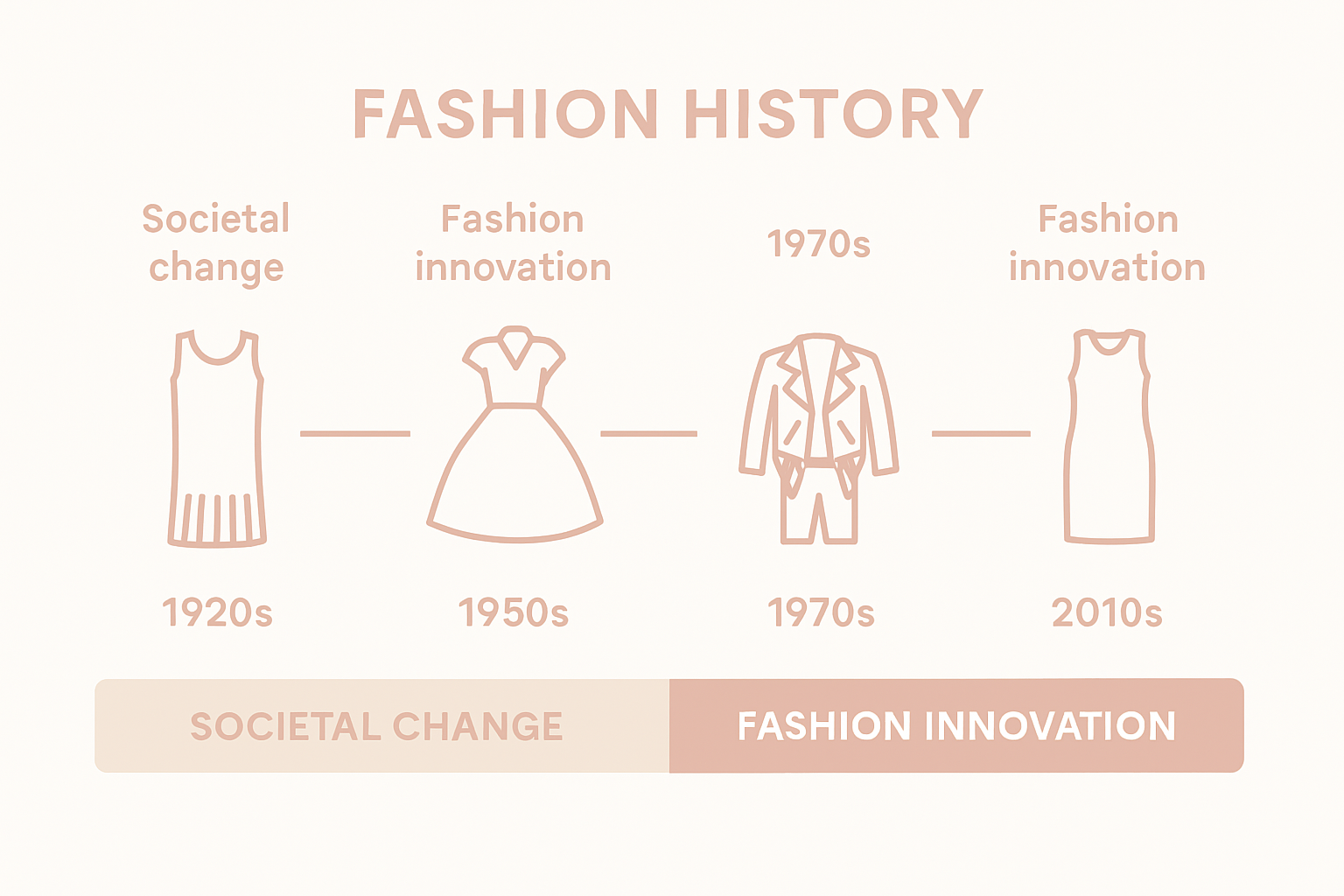
Certain dresses capture entire zeitgeists. The 1950s Christian Dior New Look revolutionized post-war fashion with its cinched waists and voluminous skirts, representing economic recovery and feminine optimism. Similarly, the mini dress of the 1960s challenged social conventions, becoming a powerful symbol of youth rebellion and emerging feminist consciousness.
Today’s iconic dresses continue to tell profound stories. They are not just garments but living archives of human creativity, resistance, and transformation. From the little black dress that speaks of timeless sophistication to contemporary sustainable designs that challenge environmental norms, these dresses remind us that fashion is never just about looking good - it’s about expressing who we are and who we aspire to become.
Modern Interpretations and Personal Style Choices
Personal style has evolved from rigid fashion rules to a dynamic, individualistic expression of identity. Cross-cultural fashion design technologies now enable unprecedented creativity, allowing individuals to blend global influences and personal narratives into unique sartorial statements. Modern fashion embraces the idea that style is deeply personal, transcending traditional boundaries and celebrating individual interpretation.
The contemporary fashion landscape reflects a profound shift towards authenticity and self-representation. What is personal style goes beyond clothing - it’s a nuanced language of personal storytelling. Global cultural exchanges have democratized fashion, allowing people to mix vintage pieces, contemporary designs, and cultural elements in ways that reflect their multifaceted identities.
Research in the Journal of Education, Humanities and Social Sciences highlights how global fashion trends impact cultural identity, revealing that personal style choices are complex negotiations between individual expression and broader cultural influences. Technological innovations like AI and digital design platforms are expanding these possibilities, enabling individuals to experiment with and visualize style combinations that were previously unimaginable.
Today’s fashion philosophy celebrates diversity, fluidity, and personal narrative. Whether mixing sustainable vintage pieces, incorporating traditional cultural elements, or experimenting with gender-neutral designs, personal style has become a powerful medium of self-discovery and expression. Fashion is no longer about following trends, but about creating a visual autobiography that evolves with our personal journeys.
Embrace Timeless Self-Expression With Be Juliet
Fashion is a powerful language of personal storytelling that transforms with each decade. This article highlights how dress styles have shaped identity, empowerment, and cultural dialogue throughout history. At Be Juliet, we understand the challenge of finding pieces that truly resonate with your evolving self-expression and the desire to break free from rigid fashion rules.
Discover our fresh collections like the New In and bold Corsets / Bustiers designed to help you craft your unique visual autobiography. Our pieces blend timeless elegance with modern flair giving you the freedom to express every facet of your personality from powerful statements to effortless comfort.
Don’t wait to redefine your wardrobe and embrace the transformative power of love in fashion. Explore Be Juliet now to find inspired and modern pieces that speak your truth with confidence. Your journey of self-expression begins here.
Frequently Asked Questions
What are the key fashion trends that emerged in the 1920s?
The 1920s featured revolutionary styles like the flapper dress, which introduced relaxed silhouettes and shorter hemlines, symbolizing women’s emerging independence and challenges to traditional dress codes.
How has fashion evolved as a form of self-expression over the decades?
Fashion has evolved from rigid, socially dictated styles to a more fluid and personal expression of identity, where individuals combine vintage and modern elements to narrate their unique stories.
What role does culture play in shaping modern fashion trends?
Cultural influences are essential in modern fashion, as global exchanges of traditional styles, textile techniques, and local color palettes create diverse trends that reflect a rich tapestry of human creativity.
How do iconic dresses from history influence contemporary fashion?
Iconic dresses, such as the wrap dress and the mini dress, have impacted contemporary fashion by embodying significant cultural moments. They often serve as a foundation for modern designs that continue to communicate personal and societal themes.
Recommended
- Fashion Through the Decades: Complete Guide – Be Juliet
- Understanding 1920s Style Women: Fashion and Influence – Be Juliet
- 1900s Women’s Fashion: Timeless Elegance and Modern Touches – Be Juliet
- Complete Guide to Women’s 1920s Fashion Revolution – Be Juliet
- 12 Timeless Fashion Staples Every Woman Needs in Her Closet - It’s a Southern Life Ya’ll