
The Essential Guide to History of Women's Fashion
Over 80 percent of american women believe that fashion influences the way society views them. The shifting patterns of women’s clothing trace a rich story of identity and progress, revealing how each era brought new rules and fresh freedoms. From Victorian gowns to bold streetwear, fashion has shaped how women express themselves and claim their place in the world. Exploring this history shines a light on more than style trends—it uncovers the evolution of power, self-expression, and cultural conversation.
Table of Contents
- Defining Women’s Fashion Throughout History
- Major Eras and Iconic Fashion Movements
- Cultural and Social Influences on Style
- Modern Innovations and Global Trends
- Common Misconceptions in Fashion History
Key Takeaways
| Point | Details |
|---|---|
| Fashion as Social Commentary | Women’s fashion serves as a powerful narrative reflecting social transformation and cultural identity throughout history. |
| Historical Influence on Identity | Clothing choices have historically been used to communicate personal agency, societal roles, and status, from restrictive corsets to empowering pantsuits. |
| Contemporary Trends and Innovations | Today’s fashion landscape emphasizes diversity, sustainability, and personal expression, showcasing a break from traditional gender norms. |
| Complexity of Fashion History | Fashion history is rich and nuanced, revealing women as active participants who used clothing as a means of identity and social negotiation. |
Defining Women’s Fashion Throughout History
Fashion is far more than fabric and design - it’s a powerful narrative of social transformation, cultural identity, and women’s evolving roles throughout human history. From restrictive corsets to liberating pantsuits, women’s clothing has consistently reflected deeper societal shifts, serving as a visual language that speaks volumes about power, freedom, and self-expression.
Through different historical periods, women’s fashion has been a dynamic reflection of social norms and cultural expectations. The impact of clothing on identity reveals how garments have been strategic tools for women to communicate their status, aspirations, and personal agency. In the Victorian era, for instance, elaborate dresses with intricate layers symbolized social standing and restricted physical movement, mirroring women’s constrained social roles. Conversely, the radical fashion transformations of the 1920s - with shorter hemlines and looser silhouettes - represented women’s growing independence and rejection of traditional constraints.
Each fashion era tells a nuanced story of cultural progression. Fashion through historical periods demonstrates how clothing has been a silent revolution, challenging and redefining societal expectations. The 1960s mini skirt wasn’t just a hemline change - it was a statement of sexual liberation. The working women’s power suits of the 1980s signaled professional ambition. Today’s diverse fashion landscape celebrates individual expression, breaking down rigid gender and style boundaries.
By understanding fashion’s historical context, we recognize clothing as more than aesthetic choices. It’s a profound form of personal and collective storytelling - where every stitch, silhouette, and style represents a moment of cultural dialogue. Fashion isn’t just what we wear; it’s how we declare our identity, challenge norms, and write our own narratives of empowerment.
Major Eras and Iconic Fashion Movements
Women’s fashion is a dynamic canvas that captures the spirit of each era, transforming from restrictive Victorian designs to revolutionary modern expressions of personal identity. Throughout history, fashion movements have been powerful mechanisms of social change, reflecting and challenging cultural norms with every hemline, silhouette, and fabric choice.
The mid-20th century witnessed remarkable fashion revolutions that redefined personal style and social expectations. The Peacock Revolution marked a significant moment where fashion began challenging traditional gender boundaries, introducing more fluid and expressive clothing styles that celebrated individual creativity. Simultaneously, the Youthquake movement emerged as a cultural phenomenon, dramatically transforming fashion with bold, provocative designs that rejected previous generations’ conservative aesthetics.
Fashion through the decades reveals a fascinating progression of women’s style. The 1920s brought liberation through flapper dresses that symbolized women’s emerging independence. The 1950s celebrated feminine silhouettes with cinched waists and full skirts. The 1960s and 1970s introduced radical changes - miniskirts, pantsuits, and bold patterns that challenged traditional dress codes and represented women’s growing social and professional empowerment.
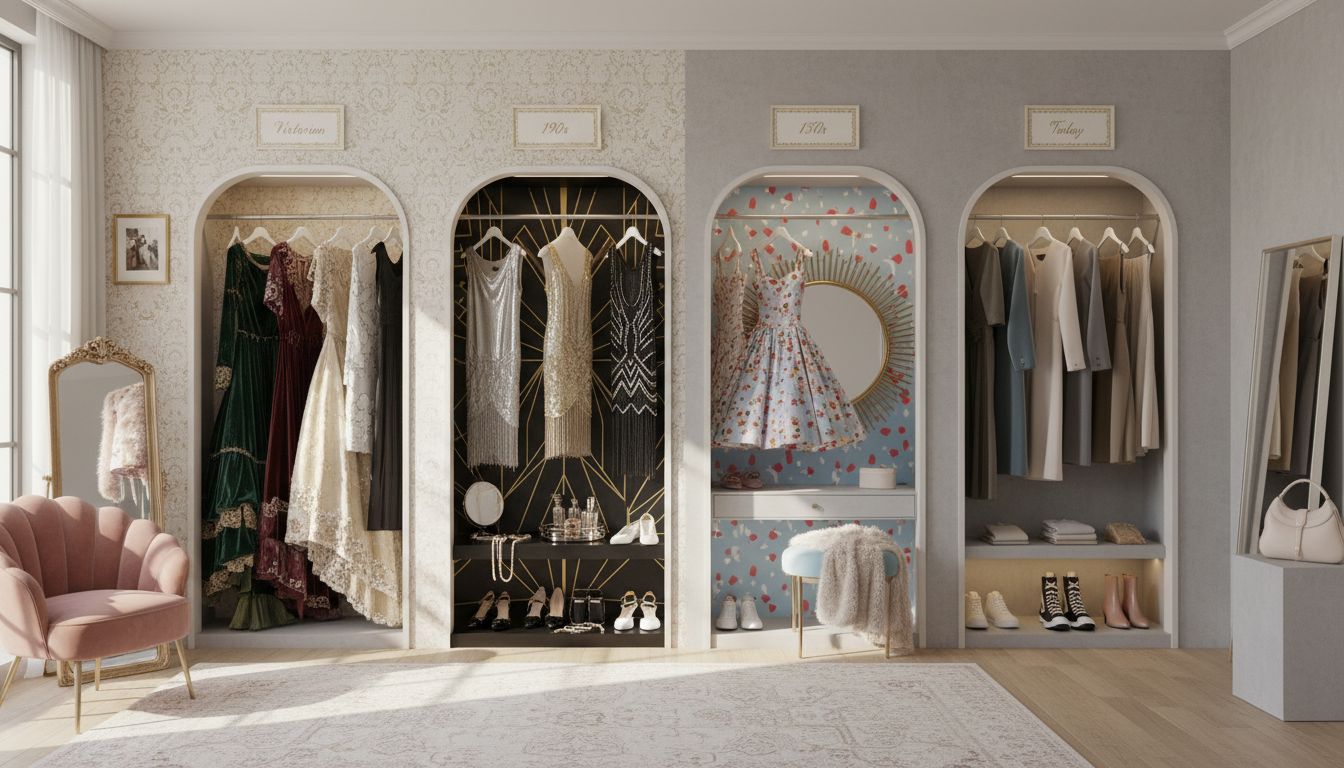
These fashion movements were never just about clothing. They were profound statements of identity, resistance, and transformation. From corsets to power suits, from restrictive Victorian layers to minimalist modern designs, women’s fashion has consistently been a powerful form of nonverbal communication, telling complex stories of social progress, personal freedom, and cultural revolution.
Cultural and Social Influences on Style
Women’s fashion has always been a powerful reflection of societal dynamics, serving as a visual language that communicates complex cultural narratives beyond mere clothing. Each style choice represents a nuanced dialogue between personal expression and broader social contexts, revealing how women navigate identity, power, and social expectations through their wardrobe.
During the Victorian era, dress reform movements challenged restrictive clothing norms, symbolizing women’s emerging desire for personal autonomy and comfort. These movements were more than fashion statements - they were radical acts of social resistance against deeply ingrained patriarchal constraints. Women began rejecting corsets and voluminous skirts that limited physical movement, demanding practical attire that reflected their growing aspirations for personal and professional freedom.
The influence of performing arts on fashion further demonstrates how cultural expressions reshape style. Ballet, for instance, transformed mainstream fashion by introducing elegant, fluid elements like tutus and ballet-inspired silhouettes. Musicians, artists, and cultural icons have consistently redefined fashion trends, using style as a form of cultural communication, turning clothing into a dynamic medium of personal and collective storytelling.
Ultimately, fashion is never just about appearance. It’s a profound form of social dialogue, where every fabric choice, hemline, and accessory becomes a statement about personal identity, cultural values, and collective aspirations. From suffragette white to 1960s miniskirts, from punk rebellion to contemporary gender-fluid designs, women’s fashion continues to be a powerful mechanism of social transformation and personal empowerment.
Modern Innovations and Global Trends
Contemporary women’s fashion is a dynamic landscape of technological innovation, cultural fusion, and unprecedented personal expression. The traditional boundaries of style continue to dissolve, creating a global fashion ecosystem that celebrates diversity, sustainability, and individual creativity like never before.
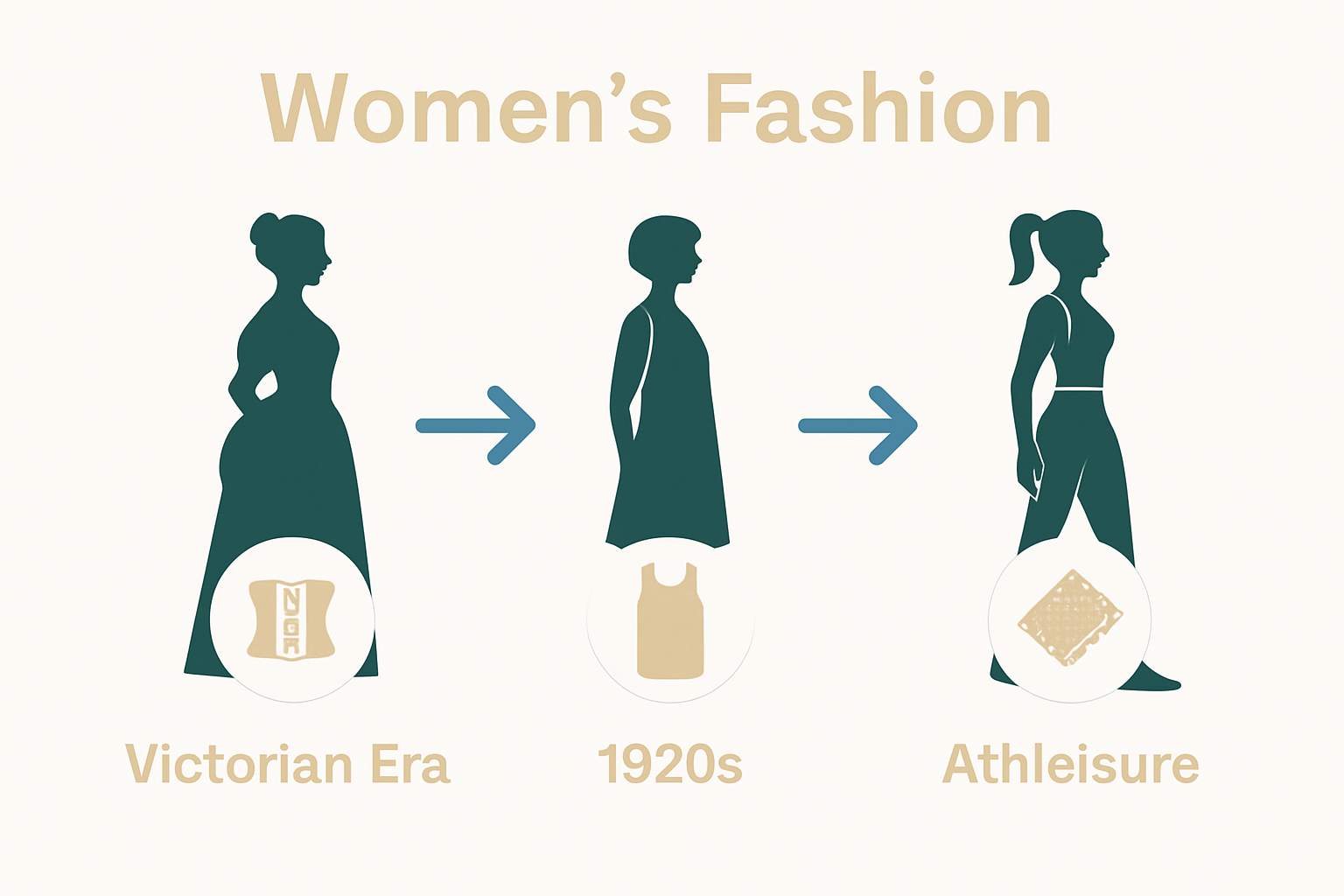
The evolution of streetwear and athletic wear demonstrates how urban youth culture has dramatically reshaped global fashion trends. What began as niche subculture movements have transformed into mainstream style statements, blurring lines between casual and high fashion. Comfort, functionality, and cultural authenticity have become paramount, reflecting a broader shift towards clothing that empowers personal identity and movement.
Current fashion trends now emphasize sustainability, technological integration, and global cultural exchange. Innovative fabrics made from recycled materials, smart textiles with embedded technology, and designs that celebrate multicultural influences are redefining contemporary style. Digital platforms have democratized fashion, allowing global designers and individual creators to share and influence trends instantaneously.
The future of women’s fashion is about breaking boundaries. It’s a celebration of individual expression, technological innovation, and cultural dialogue. From gender-fluid designs to sustainable production methods, modern fashion continues to be a powerful platform for personal storytelling, social commentary, and collective transformation.
Common Misconceptions in Fashion History
Fashion history is far more complex and nuanced than popular narratives suggest, often misrepresented through simplified interpretations that strip away the rich complexity of women’s clothing choices and cultural contexts. Many widespread assumptions about historical fashion fail to capture the true depth and agency of women’s sartorial experiences.
Unraveling the history of women’s clothing reveals that women were not passive recipients of fashion trends, but active creators and negotiators of style. Contrary to popular belief, corsets were not just instruments of oppression, but complex garments that represented social status, personal identity, and technological innovation of their time. Women strategically used clothing as a form of social communication, challenging the misconception that they were simply conforming to restrictive societal expectations.
Historical fashion through the ages debunks numerous myths about clothing functionality and symbolism. Many assume that historical fashion was solely about aesthetic beauty, overlooking the practical innovations and cultural significance embedded in each garment. From Victorian riding habits to 1920s flapper dresses, women’s clothing consistently represented far more than mere decoration - they were powerful statements of social transformation, personal rebellion, and cultural negotiation.
Ultimately, fashion history is a rich tapestry of human creativity, resilience, and social evolution. By challenging oversimplified narratives, we can appreciate the profound ways women have used clothing as a sophisticated language of personal and collective expression, transcending mere aesthetic choices to communicate complex social realities.
Embrace Fashion History with Timeless Style from Be Juliet
Understanding the rich history of women’s fashion reveals how clothing is more than fabric—it is a powerful statement of identity and empowerment. If you have ever felt torn between tradition and modern expression, Be Juliet helps you bridge that gap with pieces that honor timeless elegance while offering contemporary freedom. Our curated Corsets / Bustiers collection reinterprets classic shape and empowerment, honoring garments historically used for communication and self-expression.
Begin your journey of self-expression today with our latest arrivals in New In and explore unique blouses that offer comfort and bold style. At Be Juliet, every stitch is crafted to celebrate your authentic self. Don’t wait to redefine your wardrobe with pieces that carry the spirit of cultural evolution and personal empowerment. Discover your style story now and wear your history with love.
Frequently Asked Questions
What are the major fashion movements in women’s history?
Women’s fashion has seen significant movements like the Peacock Revolution and the Youthquake in the mid-20th century, with each era reflecting broader social changes and the evolving roles of women.
How has women’s fashion reflected societal changes over time?
Throughout history, women’s fashion has mirrored societal expectations and cultural shifts, from restrictive Victorian clothing to liberating styles in the 1920s and beyond, symbolizing women’s growing independence.
What role did cultural influences play in shaping women’s fashion?
Cultural influences, such as performing arts and social movements, have profoundly shaped women’s fashion, introducing new silhouettes and styles that convey personal and collective narratives, emphasizing comfort, expression, and resistance.
How has modern technology influenced contemporary women’s fashion?
Modern technology has revolutionized women’s fashion through innovations like smart textiles, sustainable materials, and digital platforms, fostering a global exchange of cultural influences and a focus on individuality.
Recommended
- Complete Guide to Design History of Women’s Clothing – Be Juliet
- Fashion Through the Decades: Complete Guide – Be Juliet
- Complete Guide to Women’s 1920s Fashion Revolution – Be Juliet
- Understanding 1920s Style Women: Fashion and Influence – Be Juliet
- what is formal dress code for women | Fashion & Style Tips | Fashion Feed| Coveti