

Best Material for Summer Dresses: Stay Cool and Chic
Over eighty percent of American shoppers say comfort is their top priority when choosing summer clothes. As sweltering heat grips many parts of the United States, picking the right material for a summer dress goes beyond style. The right fabric can mean the difference between feeling cool and confident or sticky and uncomfortable. Discover how different textiles stack up and how smart fabric choices can keep you comfortable and fresh even on the hottest days.
Table of Contents
- Defining Summer Dress Materials And Qualities
- Comparing Breathable Fabrics For Summer Wear
- Exploring Textures, Drape, And Movement
- Natural Fibers Versus Synthetics In Hot Weather
- Personal Picks For Effortless Summer Elegance
Key Takeaways
| Point | Details |
|---|---|
| Breathability is Key | Choose lightweight fabrics like Linen, Cotton, and Rayon for optimal comfort in summer heat. |
| Consider Moisture Management | Look for materials that wick away sweat and allow skin to breathe for enhanced comfort. |
| Understand Fabric Properties | Different fabrics offer unique benefits; for example, Linen provides superior moisture-wicking and air circulation. |
| Mix Natural and Synthetic | Combining natural fibers with engineered synthetics can enhance breathability and comfort in your summer wardrobe. |
Defining Summer Dress Materials and Qualities
Choosing the right summer dress material isn’t just about looking good—it’s about feeling comfortable in scorching heat. Fabric selection becomes a science when you understand how different textiles interact with temperature, moisture, and body movement. Advanced fabric research from Georgia Tech reveals that not all summer materials are created equal.
The ideal summer dress material has several key qualities that go beyond simple aesthetics. Breathability stands out as the primary factor, allowing air circulation and moisture management. Lightweight fabrics like linen, cotton, and rayon excel in this domain, each offering unique benefits. Linen, for instance, has exceptional moisture-wicking properties and a natural texture that prevents uncomfortable clinging. Cotton provides soft comfort, while rayon offers a beautiful drape that moves elegantly with your body.
When evaluating summer dress materials, experts recommend focusing on three critical attributes: moisture management, weight, and texture. Scientific studies on sports clothing quality highlight how these factors directly impact comfort. A great summer dress material should:
- Quickly wick away perspiration
- Allow skin to breathe
- Resist wrinkles
- Maintain structural integrity when wet
- Provide UV protection
My personal favorite? Lightweight linen. Its natural fibers create a microclimate next to your skin, keeping you cool while looking effortlessly chic. Whether you’re strolling through a farmers market or attending a rooftop soirée, the right material can transform your summer dress from merely an outfit to a statement of comfort and style.
Comparing Breathable Fabrics for Summer Wear
Summer fashion demands smart fabric choices that keep you cool and stylish. Research from Georgia Tech demonstrates that not all fabrics perform equally in hot conditions. Understanding the unique properties of different materials can transform your summer wardrobe from uncomfortable to effortlessly chic.
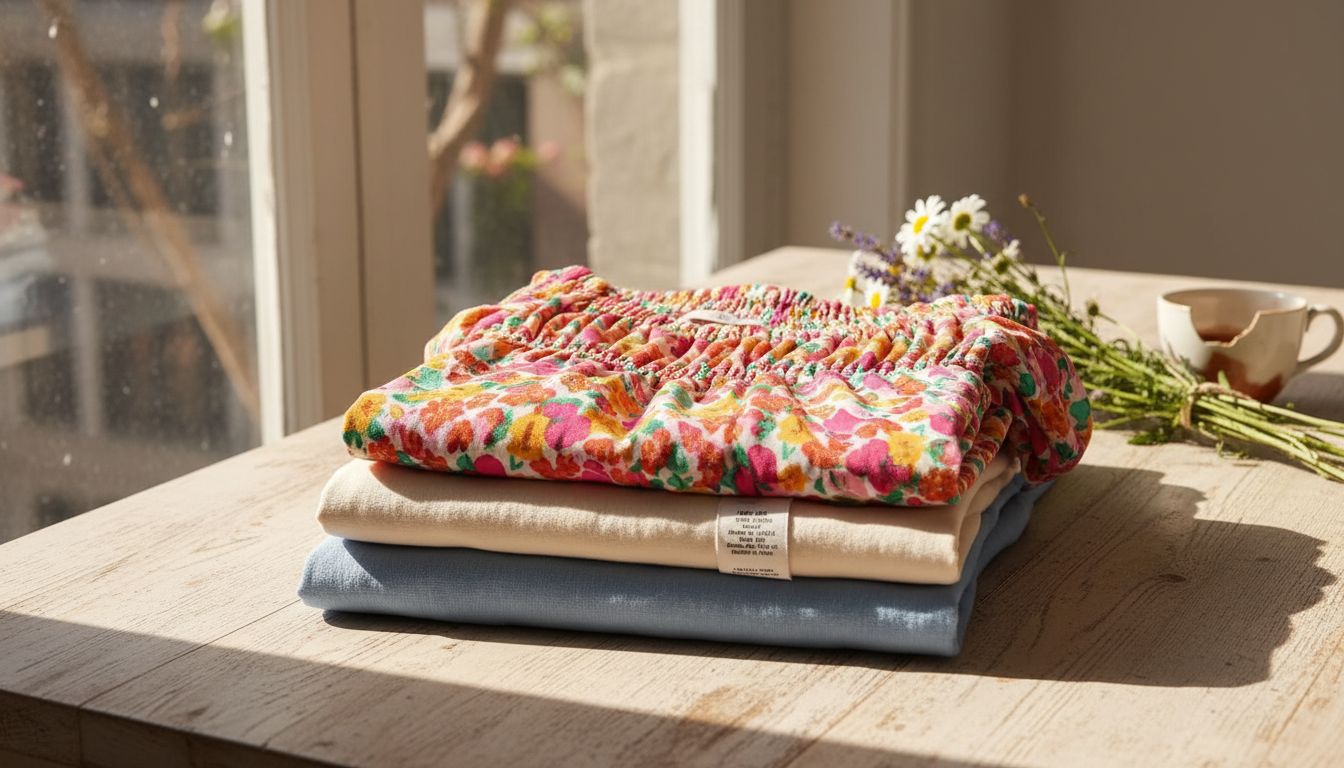
Let’s break down the top breathable fabrics for summer wear. Linen leads the pack with its superior moisture-wicking capabilities. Its natural fibers create exceptional air circulation, preventing that sticky, uncomfortable feeling. Unlike synthetic materials, linen allows heat to escape quickly and absorbs moisture without clinging to the body. Scientific studies on sportswear fabrics confirm that natural fibers like linen offer the best breathability.
Here’s a quick comparison of summer dress fabrics:
- Linen: Highest breathability, quick-drying, natural texture
- Cotton: Soft, comfortable, good moisture absorption
- Rayon: Lightweight, fluid drape, moderate breathability
- Silk: Lightweight, luxurious, temperature-regulating
- Polyester: Synthetic, less breathable, quick-drying
Choosing the right fabric goes beyond temperature. Consider factors like texture, weight, and how the material moves with your body. A lightweight linen dress not only keeps you cool but also creates an effortless, relaxed silhouette perfect for summer adventures—from beach walks to rooftop cocktails. Pro tip? Look for loose weaves and lighter colors to maximize breathability and reflect sunlight.
Exploring Textures, Drape, and Movement
Dress fabrics are more than just materials—they’re storytellers of motion and style. Research examining fabric properties reveals how each textile creates a unique visual and sensory experience. The way a fabric moves, drapes, and feels against your skin can transform an ordinary summer dress into a statement piece.
Texture plays a critical role in how a dress performs and looks. Linen, with its slightly stiff yet breathable nature, creates a structured silhouette that moves differently from softer fabrics. It wrinkles beautifully, giving an effortless, lived-in charm that speaks of summer adventures. Scientific studies on fabric dynamics highlight how fabric elasticity and texture directly impact a garment’s aesthetic and functional performance.
Understanding fabric characteristics helps you choose the perfect summer dress:
-
Fluid Fabrics: Rayon, silk
- Soft, smooth drape
- Moves like water against the body
- Creates elegant, flowing lines
-
Structured Fabrics: Linen, structured cotton
- More defined shape
- Holds architectural silhouettes
- Creates visual interest through texture
The secret to a great summer dress isn’t just about the fabric—it’s about how that fabric tells your story. A lightweight silk dress might whisper of romantic evenings, while a crisp linen dress shouts adventure and spontaneity. Choose a fabric that not only keeps you cool but makes you feel utterly confident and alive.
Natural Fibers Versus Synthetics in Hot Weather
The battle between natural and synthetic fabrics is more nuanced than a simple good versus bad comparison. Research from Georgia Tech reveals that both fabric categories have unique advantages when it comes to staying cool in scorching temperatures. Understanding these differences can help you make smarter summer dress choices.
Natural fibers like cotton and linen have long been summer staples, prized for their breathability and soft feel against the skin. Linen, in particular, stands out with its exceptional moisture-wicking properties and ability to create natural air circulation. Scientific studies on fabric performance demonstrate that synthetics can be engineered to compete with natural fibers, especially in moisture management.
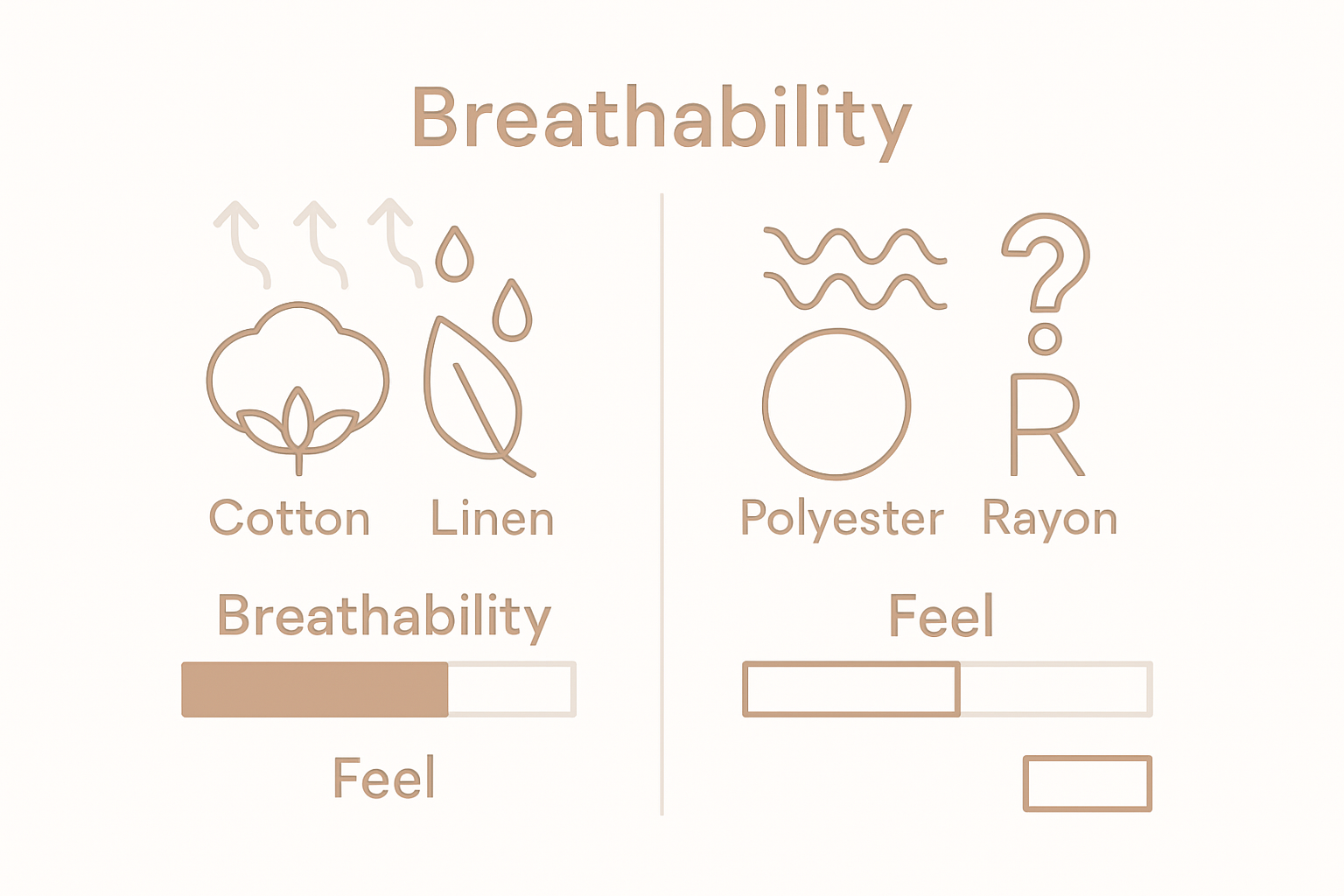
Here’s a comprehensive breakdown of natural versus synthetic summer dress fabrics:
Natural Fibers:
- Linen: Breathable, quick-drying, natural cooling
- Cotton: Soft, comfortable, good moisture absorption
- Silk: Lightweight, temperature-regulating
Synthetic Fibers:
- Polyester: Moisture-wicking, quick-drying
- Rayon: Lightweight, fluid drape
- Nylon: Durable, fast-drying
The key is finding the right balance. Modern synthetic fabrics can be treated to enhance breathability, while natural fibers offer unmatched comfort. Your perfect summer dress might be a blend that combines the best of both worlds—cool, comfortable, and ready for any adventure.
Personal Picks for Effortless Summer Elegance
Summer style is an art form, and selecting the right dress material can transform your entire look. Research from Georgia Tech highlights how certain fabrics elevate both comfort and sophistication. The perfect summer dress isn’t just about appearance—it’s about feeling confident and unrestricted in the heat.
Linen remains my ultimate summer dress choice. Its crisp texture and natural cooling properties make it a standout fabric. Scientific studies on fabric performance confirm that materials like polyester and linen offer remarkable functional benefits beyond mere aesthetics. The key is finding a fabric that moves with you, breathes with you, and tells your personal style story.
My top personal picks for summer dress materials:
Breezy and Elegant:
- Classic Linen: White midi dress with delicate buttons
- Soft Cotton: Flowy wrap dress in pastel blue
- Lightweight Silk: Slip dress for evening events
Practical and Chic:
- Performance Blends: Wrinkle-resistant summer dresses
- Moisture-Wicking Fabrics: Travel-friendly options
- Quick-Dry Materials: Perfect for spontaneous adventures
The most important rule? Choose a dress that makes you feel like the most confident version of yourself. Summer is about experiencing life, not being constrained by your clothing. Pick a fabric that moves with your rhythm, breathes with your spirit, and celebrates your unique journey.
Discover Summer Style That Keeps You Cool and Confident
Choosing the perfect summer dress material is essential for beating the heat while feeling beautiful. The article explores how fabrics like linen, cotton, and rayon offer breathability, moisture management, and effortless elegance. At Be Juliet, we understand your goal to stay cool and chic with pieces that reflect your authentic self and embrace comfort without sacrificing style.
Elevate your summer wardrobe with our curated collection of Crop Tops that pair beautifully with breathable fabrics and highlight your personal flair.

Explore curated pieces designed to move with you through warm days and cool nights. Shop now at Be Juliet to find your next timeless, comfortable outfit. Don’t wait to embrace elegance and comfort made for the modern woman who leads with love. Browse today and transform your summer style.
Frequently Asked Questions
What is the best material for summer dresses?
The best materials for summer dresses are lightweight and breathable fabrics such as linen, cotton, and rayon. Linen offers exceptional moisture-wicking properties and air circulation, while cotton is soft and comfortable, and rayon has a fluid drape.
How do different fabrics compare in terms of breathability for hot weather?
Linen is the most breathable fabric, quickly wick moisture away and providing air circulation. Cotton is also breathable and absorbs moisture well, while rayon offers moderate breathability and a lightweight feel. Synthetic fabrics like polyester may lack breathability but can be quick-drying.
Why is moisture management important in summer dress fabrics?
Moisture management is crucial because it helps to wick away perspiration, keeping the skin dry and comfortable. Fabrics that allow skin to breathe and resist clinging prevent discomfort in hot conditions, enhancing overall wearability during summer.
Can synthetic fabrics be suitable for summer dresses?
Yes, modern synthetic fabrics like polyester and rayon can be engineered to enhance breathability and moisture-wicking properties. They can offer quick-drying benefits and durability, making them suitable options for summer dresses when blended with natural fibers.
Recommended
- Complete Guide to the Best Material for Summer – Be Juliet
- Best Fabric to Wear in Summer: Complete Guide – Be Juliet
- 7 Must-Have Summer Dresses for Travel – Be Juliet
- Top Outfit Ideas With Dresses for 2025: Fresh Looks for Women – Be Juliet
- What to Pack for a Summer Holiday in Dalmatia – Smart Packing Checklist - Adriatic Coast Transfers