
1900s Women’s Fashion: Timeless Elegance and Modern Touches
Over 60 percent of American women experienced dramatic shifts in clothing style during the early 1900s, as social change and elegance collided in everyday wardrobes. This era brought a striking blend of tradition and transformation, introducing iconic silhouettes and subtle signals of growing independence. Exploring these distinctive looks not only reveals how Edwardian influences shaped fashion but also uncovers the ways vintage American style continues to inspire modern clothing choices today.
Table of Contents
- Defining 1900s Women’s Fashion and Edwardian Style
- Iconic Silhouettes: Corsets, Skirts, and Blouses
- The Rise of Practical Style and Women’s Independence
- Ornate Hats and Accessories: Expressions of Femininity
- Modern Adaptations: How 1900s Trends Inspire Today
- Paris to LA: Reimagining Edwardian Looks for Now
Key Takeaways
| Point | Details |
|---|---|
| S-Curve Silhouette | The early 1900s showcased an S-curve silhouette created by intricate corsetry, reflecting societal expectations and feminine ideals. |
| Shift to Practicality | Women’s fashion evolved towards tailored, functional garments, symbolizing increased independence and participation in society. |
| Power of Accessories | Elaborate hats and jewelry served as essential expressions of femininity and personal identity during the Edwardian era. |
| Modern Revivals | Contemporary designers draw inspiration from the 1900s by reinterpreting historical elements for modern aesthetics and personal storytelling. |
Defining 1900s Women’s Fashion and Edwardian Style
The early 1900s marked a transformative period in women’s fashion, where elegance met emerging social liberation. During the Edwardian era, women’s clothing represented a delicate balance between traditional restraint and modern sensibilities. The defining characteristic was the distinctive S-curve silhouette, achieved through intricate corsetry that reshaped women’s bodies into an exaggerated, curvaceous form.
Women’s attire during this period featured remarkably structured designs that emphasized social status and feminine ideals. Long dresses with fitted waists and dramatically flared hemlines dominated formal wear, often crafted from luxurious fabrics like silk and satin. High lace collars, intricate embroidery, and long sleeves created an image of refined sophistication. Tightly laced corsets were not just fashion statements but symbolic representations of societal expectations and physical discipline.
Beyond aesthetic beauty, these fashion choices reflected deeper social dynamics. The restrictive clothing - with layers of petticoats and structured bodices - symbolized women’s constrained social roles while simultaneously hinting at emerging desires for personal freedom. Tailored suit dresses and walking ensembles suggested a growing mobility and independence, foreshadowing the significant social transformations that would define the 20th century. Each garment told a story of transition: from Victorian rigidity to a more dynamic, expressive form of femininity.
Key elements of 1900s women’s fashion included:
- Prominent S-curve silhouette created by specialized corsetry
- High lace collars and intricate embellishments
- Floor-length skirts with dramatic flared hemlines
- Luxurious fabrics like silk, satin, and fine cotton
- Layered petticoats and structured undergarments
- Emphasis on tiny waists and elegant posture
Iconic Silhouettes: Corsets, Skirts, and Blouses
The 1900s women’s fashion was defined by distinctive garments that sculpted the female form with precision and drama. The hourglass corset emerged as a quintessential piece, engineered to compress the waistline and redistribute body tissue, creating an exaggerated feminine silhouette that symbolized both constraint and aspiration. These intricate undergarments were not merely clothing, but architectural structures that reimagined the female body’s natural contours.
Edwardian blouses and skirts represented the era’s commitment to elegance and refinement. High-necked lace blouses with delicate embroidery and long, structured sleeves paired seamlessly with skirts that featured fitted waists and dramatically flared hemlines. Crafted from luxurious fabrics like silk, satin, and chiffon, these garments spoke to both social status and emerging feminine independence. The careful construction of each piece transformed clothing from simple covering to a nuanced form of personal expression.
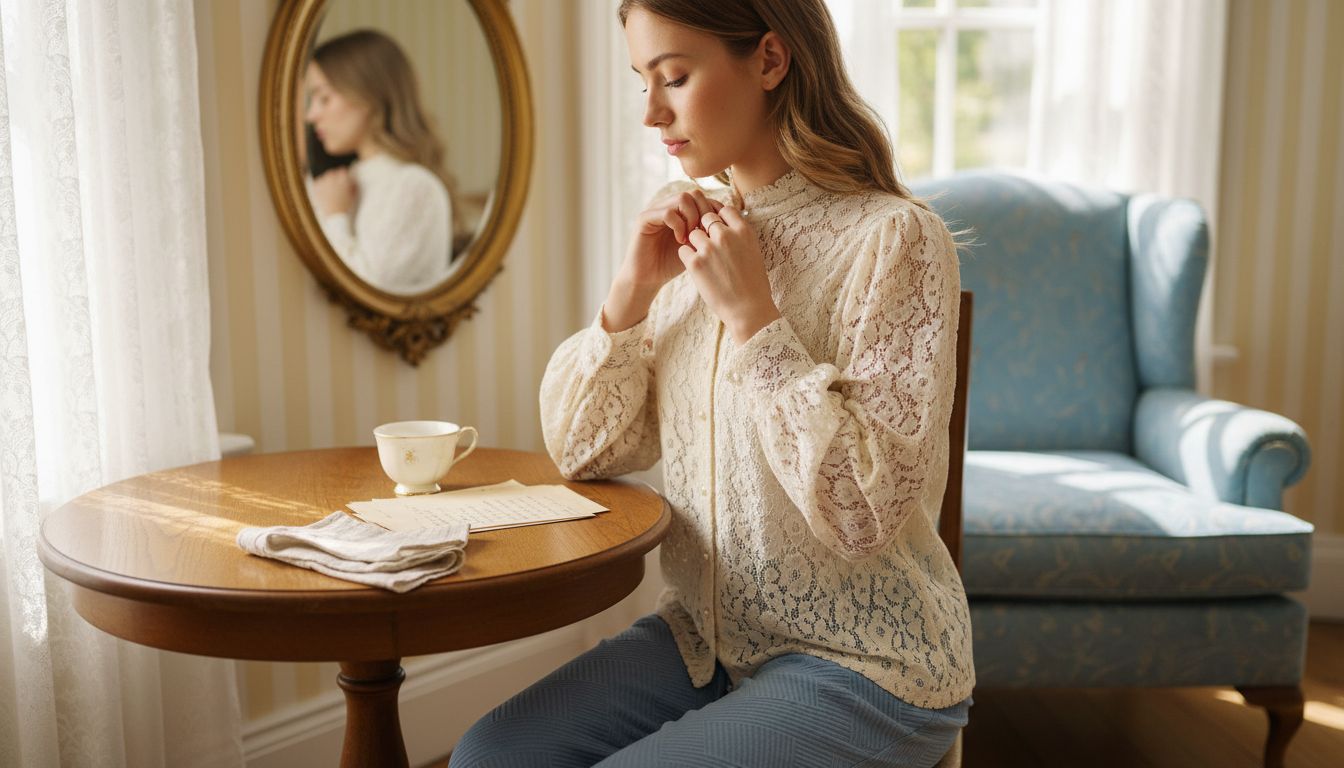
The interplay between structured foundation garments and exterior clothing created a complex visual language. Corsets did more than shape the body - they were physical manifestations of societal expectations, simultaneously restricting movement and signaling social refinement. Skirts and blouses became canvases for intricate details: delicate pintucks, subtle pleating, and hand-sewn embellishments that demonstrated exceptional craftsmanship and individual taste.
Key characteristics of iconic 1900s silhouettes included:
- Dramatically compressed waistlines
- High, stiff lace collars
- Long, structured sleeves
- Skirts with significant flare at the hemline
- Layered, voluminous fabrics
- Intricate hand-sewn embellishments
- Emphasis on vertical lines and elegant posture
The Rise of Practical Style and Women’s Independence
The early 1900s marked a revolutionary period for women’s fashion, driven by the emergence of the New Woman who challenged traditional societal expectations. This transformative era saw women increasingly demanding clothing that supported their expanding social and professional roles. Tailored suits, shirtwaists, and more functional garments replaced restrictive Victorian-era designs, symbolizing a profound shift towards personal autonomy and mobility.
Women’s clothing began reflecting their growing participation in higher education, professional workplaces, and athletic pursuits. Practical innovations like bloomers for cycling and less constraining undergarments signaled a radical departure from previous fashion norms. These changes were not merely sartorial but represented a broader social movement challenging long-standing gender constraints, allowing women to literally and metaphorically move more freely in society.
The transformation extended beyond physical clothing design. Each tailored suit, each pair of bloomers, each simplified garment became a statement of independence. Women were no longer just passive decorative objects but active participants in social, economic, and cultural spheres. The clothing reflected an internal revolution - a declaration that women’s worth extended far beyond traditional domestic roles and ornamental expectations.
Key indicators of this fashion revolution included:
- Adoption of tailored, less restrictive clothing
- Emergence of sportswear and functional designs
- Reduction of corset usage and constrictive undergarments
- Introduction of separate walking and working outfits
- Increased fabric durability and practical considerations
- Incorporation of masculine tailoring elements
- Greater emphasis on personal comfort and mobility
Ornate Hats and Accessories: Expressions of Femininity
Edwardian fashion accessories transformed personal style into an art form of self-expression. The era’s most dramatic statement piece was undoubtedly the hat - enormous, elaborately decorated creations that served as dramatic extensions of a woman’s personality. Wide-brimmed picture hats adorned with feathers, flowers, and ribbons became powerful symbols of femininity, social status, and individual creativity.
These extraordinary accessories were meticulously designed to complement the intricate fashion of the period. Pearl necklaces and delicate jewelry enhanced the sophisticated silhouettes, creating layered visual narratives of elegance and refinement. The full pompadour hairstyle emerged as the perfect architectural foundation for supporting these monumental hats, creating a harmonious balance between hair, headwear, and overall ensemble.
Beyond mere decoration, these accessories represented complex social dialogues. Each hat, each strand of pearls, each carefully selected brooch communicated volumes about a woman’s social standing, personal taste, and emerging sense of independence. The accessories were not simply additions to an outfit but deliberate statements of identity, challenging and redefining traditional perceptions of femininity during a transformative historical moment.
Key elements of 1900s accessory culture included:
- Massive, wide-brimmed picture hats
- Intricate feather and flower decorations
- Delicate pearl and gemstone jewelry
- Ornate hat pins and brooches
- Elaborate gloves and parasols
- Carefully coordinated color schemes
- Emphasis on personal artistic expression
Modern Adaptations: How 1900s Trends Inspire Today
Contemporary fashion continues to draw profound inspiration from the intricate design elements of the 1900s, transforming historical silhouettes into modern style statements. The era’s emphasis on structured tailoring, delicate lace details, and sophisticated layering has found a vibrant second life in today’s fashion landscape. Designers reinterpret classic Edwardian elements - high collars, intricate embroidery, and refined feminine cuts - through a contemporary lens, creating garments that honor historical elegance while feeling thoroughly modern.
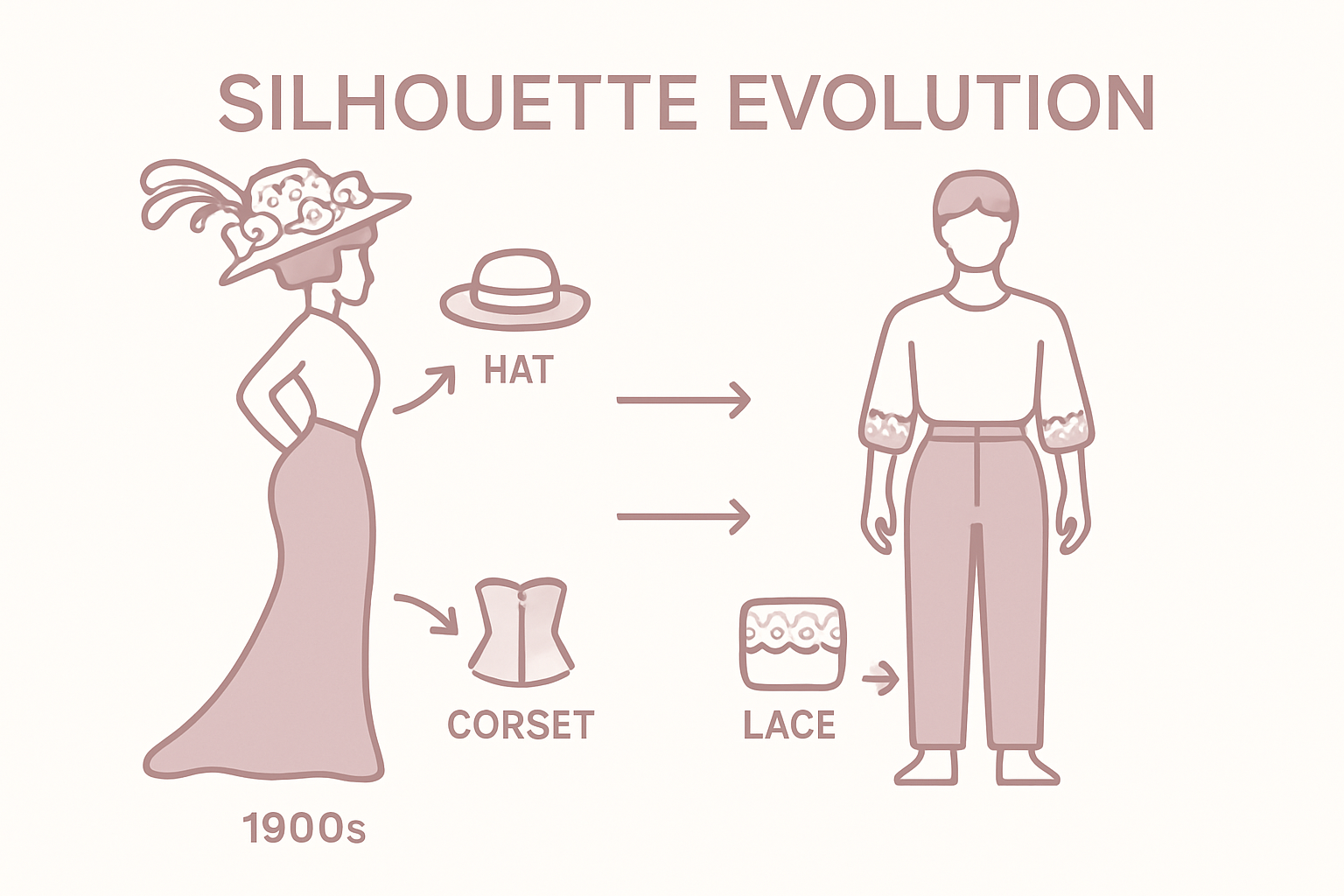
Vintage-inspired details from the Edwardian period have seamlessly integrated into current fashion trends. Modern designers skillfully incorporate elements like bishop sleeves, lace trim, and structured waistlines into contemporary collections. These historical references are not mere nostalgic reproductions but dynamic reinterpretations that speak to a modern woman’s desire for both comfort and sophisticated style. The result is a nuanced approach to fashion that bridges historical craftsmanship with current aesthetic sensibilities.
The enduring appeal of 1900s fashion lies in its ability to communicate both strength and femininity. Today’s fashion enthusiasts are reimagining these historical styles through unexpected combinations - pairing a modern blazer with a vintage-inspired lace blouse, or incorporating Edwardian-style brooches with minimalist contemporary outfits. This approach celebrates fashion as a form of personal storytelling, where historical references become personal expressions of individual style.
Key modern adaptations of 1900s fashion include:
- Reinterpreted bishop sleeves on contemporary blouses
- Lace details integrated into modern minimalist designs
- Structured tailoring with soft, fluid lines
- High-necked blouses with contemporary cuts
- Vintage-inspired accessories with modern ensembles
- Subtle corset-inspired waist detailing
- Embroidery and delicate embellishments on streamlined garments
Paris to LA: Reimagining Edwardian Looks for Now
Modern fashion designers continue to draw inspiration from the Edwardian era’s sophisticated aesthetic, translating historical elegance into contemporary style statements. The ultra-feminine ‘S-bend’ silhouette and elaborate embroidery techniques have found new life in today’s fashion landscape, bridging the gap between Paris’s vintage sophistication and Los Angeles’s modern, experimental style. Contemporary designers skillfully deconstruct and reimagine these historical elements, creating garments that honor the past while feeling thoroughly current.
Edwardian design elements have seamlessly integrated into modern wardrobes through strategic reinterpretation. High lace collars now appear on sleek blouses, flowing lines are incorporated into minimalist designs, and vintage-inspired details are strategically placed on contemporary cuts. The transformation from historical costume to modern fashion speaks to the timeless appeal of Edwardian craftsmanship - a delicate balance between structured elegance and personal expression.
The cross-continental journey from Paris’s refined salons to Los Angeles’s eclectic streets demonstrates fashion’s remarkable ability to transcend time and geography. Modern fashion enthusiasts are not merely reproducing historical looks but creating dynamic, personal interpretations. A vintage-inspired lace blouse might be paired with distressed denim, or an Edwardian-style brooch could accent a contemporary leather jacket. These unexpected combinations celebrate individual creativity while paying homage to the rich sartorial history of the early 20th century.
Key strategies for reimagining Edwardian looks include:
- Mixing vintage-inspired pieces with contemporary basics
- Incorporating delicate embroidery on modern silhouettes
- Updating historical color palettes for current trends
- Adapting structured shapes to more relaxed fits
- Highlighting vintage details through strategic styling
- Balancing ornate historical elements with minimalist design
- Celebrating individual interpretation over strict historical reproduction
Experience Timeless Elegance with a Modern Twist
The 1900s women’s fashion journey reveals the struggle between structured elegance and a growing desire for freedom and personal expression. If you are inspired by delicate lace collars, tailored silhouettes, and the shift toward practical yet refined attire, you understand the challenge of balancing classic beauty with modern comfort. At Be Juliet, we honor this transformation by offering collections that blend the best of historical charm with today’s ease and style.
Explore our Blouses collection to find pieces that echo the intricate embroidery and high necklines of Edwardian fashion while embracing contemporary design for everyday wear.
Discover the joy of self-expression with Be Juliet’s curated selections that invite you to celebrate femininity in all its forms. Whether you seek timeless sophistication or carefree comfort, our New In arrivals deliver inspired, versatile looks. Begin your journey toward a wardrobe crafted for the modern woman who leads with love but waits for no one. Visit Be Juliet now and redefine your fashion story today.
Frequently Asked Questions
What characterized women’s fashion in the early 1900s?
Women’s fashion in the early 1900s was defined by the S-curve silhouette, intricate corsetry, long dresses with fitted waists, and luxurious fabrics. The designs often emphasized social status and femininity, blending tradition with emerging modern sensibilities.
How did the Edwardian era influence modern fashion?
The Edwardian era introduced elegant design elements such as high lace collars, structured tailoring, and intricate embroidery that continue to inspire contemporary fashion. Modern designers reinterpret these styles, incorporating them into current collections while maintaining a sense of timeless elegance.
What role did corsets play in 1900s women’s fashion?
Corsets in the 1900s were essential for achieving the desired S-curve silhouette, emphasizing tiny waists and contributing to the era’s aesthetic of refined femininity. They were symbols of societal expectations yet also reflected women’s growing desire for personal expression as fashions evolved toward more comfortable and practical styles.
How did women’s clothing styles change during the early 1900s?
The early 1900s marked a shift from restrictive Victorian designs to more practical styles reflecting women’s increased independence. Tailored suits, sportswear, and less constrictive undergarments emerged, symbolizing women’s growing roles in society and the workforce.
Recommended
- Understanding 1920s Style Women: Fashion and Influence – Be Juliet
- Complete Guide to Women’s 1920s Fashion Revolution – Be Juliet
- The Essential Guide to History of Women’s Fashion – Be Juliet
- Fashion Through the Decades: Complete Guide – Be Juliet
- 7 Must-Know Fashion Trends for 2025 You Can Embrace | Prodcast