
1920s Women's Dress Style: 60% Wore Longer Hemlines
When you picture 1920s fashion, flapper dresses and glittering sequins probably come to mind. But here’s the truth: nearly 60% of women still wore longer hemlines in 1925 despite the flapper trend dominating popular imagination. This era offered far more diversity than Hollywood suggests, and understanding 1920s style women wore reveals practical ways to embrace vintage elegance today while maintaining your comfort and authentic self-expression.
Table of Contents
- Introduction To 1920s Women’s Fashion
- Key Design Elements And Silhouettes Of 1920s Dresses
- Symbolism Of 1920s Fashion In Women’s Social Freedom
- Common Misconceptions About 1920s Women’s Dress Style
- Styling 1920s Fashion For Modern Self-Expression
- Conclusion: Embracing The Spirit Of 1920s Fashion Today
- Discover Your Vintage-Inspired Style With Be Juliet
Key Takeaways
| Point | Details |
|---|---|
| Fashion Diversity | The 1920s included varied styles from subtle day dresses to embellished evening wear, not just flapper looks. |
| Social Symbolism | Looser silhouettes and dropped waists represented women’s liberation and rejection of restrictive Victorian norms. |
| Design Features | Drop waists lowered by up to 7 inches, silk and chiffon fabrics, and strategic embellishments defined the era. |
| Modern Adaptation | Combining classic 1920s silhouettes with stretch fabrics creates comfortable, wearable vintage-inspired outfasts. |
| Personal Expression | Accessories like cloche hats and pearls allowed women to craft individual identities within fashionable frameworks. |
Introduction to 1920s Women’s Fashion
The 1920s transformed women’s fashion through seismic social shifts that redefined femininity itself. Women gained voting rights, entered the workforce in unprecedented numbers, and demanded clothing that matched their expanding lives. The history of women’s fashion evolution shows this decade as a pivotal turning point away from the restrictive corsets and floor-length skirts of the 1900s women’s fashion era.
Flapper culture emerged as the vibrant symbol of this newfound freedom. Young women cut their hair short, raised their hemlines, and danced to jazz music in speakeasies. These changes weren’t just aesthetic; they announced a generation ready to claim space in public life.
The shift from Victorian garments to looser silhouettes revolutionized daily comfort. Women abandoned bone stays and multiple petticoats for simpler dresses that allowed natural movement. This practical evolution meant you could work, dance, or travel without fabric fighting your every step.
Accessories became powerful tools for individual expression:
- Cloche hats framed faces and signaled modernity, with sales increasing by 300% in the mid-1920s in the US
- Long pearl necklaces added elegance to simple dresses
- Headbands adorned with feathers or jewels personalized evening looks
- T-strap shoes replaced button boots for easier wear
These details weren’t frivolous. They represented choices, and choices meant autonomy.
Key Design Elements and Silhouettes of 1920s Dresses
Recognizing authentic 1920s design starts with understanding the dropped waist. Drop waist dresses lowered the waistline by up to 7 inches from the natural waist, creating a straight, boyish silhouette that defied centuries of hourglass emphasis. This radical change eliminated the need for corsets and created the decade’s signature relaxed fit.
Fabric choices defined how these dresses moved and felt:
- Silk provided luxurious drape for evening wear
- Chiffon created ethereal, floating layers
- Rayon offered an affordable alternative to natural fibers
- Velvet added richness to winter styles
The contrast between 1920s and earlier silhouettes reveals the era’s revolutionary nature:
| Feature | Victorian/Edwardian Era | 1920s Era |
|---|---|---|
| Waistline | Natural, tightly cinched | Dropped to hip level, loose |
| Hemline | Floor length | Knee length or slightly below |
| Fit | Structured, corseted | Straight, loose |
| Sleeve Style | Tight, long | Often sleeveless or short |
| Movement | Restricted | Free, dancing-friendly |
Embellishments transformed simple silhouettes into evening glamour. Sequins caught light on dance floors, while beadwork created intricate geometric patterns reflecting Art Deco influence. Hand-sewn details on luxury pieces required hundreds of hours, making each dress a work of art.
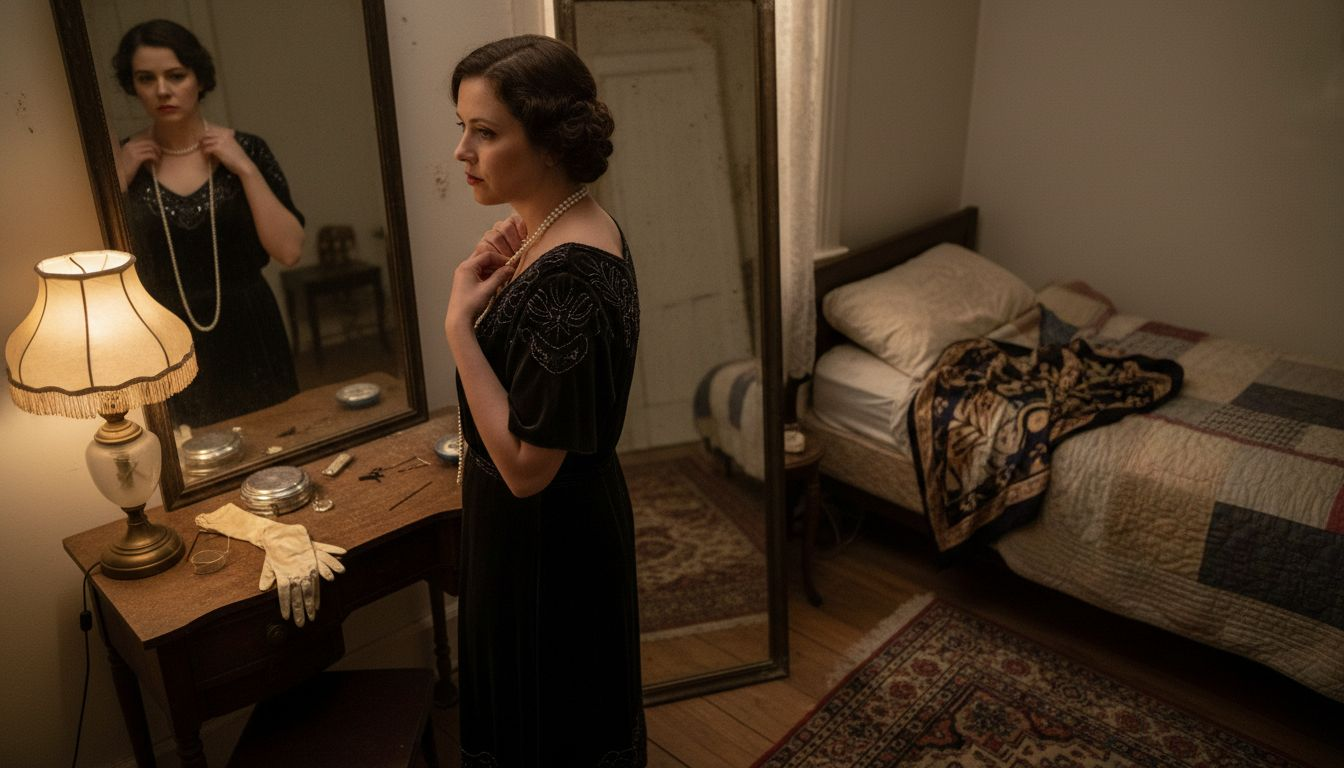
The 1920s fashion revolution guide emphasizes how these elements worked together to create cohesive looks.
Pro Tip: When examining vintage or reproduction 1920s dresses, check the waistline placement and fabric weight. Authentic pieces feature the dropped waist sitting at hip level, and quality reproductions use appropriately lightweight fabrics that allow the signature drape and movement.
Symbolism of 1920s Fashion in Women’s Social Freedom
Every hemline raised and every corset discarded carried political weight. The decade’s fashion changes reflected women’s suffrage and growing workforce participation, making clothing choices into statements about who women could become. When you wore a shorter skirt, you weren’t just following trends; you were claiming mobility and rejecting Victorian ideals of feminine fragility.
Dress styles embodied active rebellion:
- Simpler garments meant women could dress themselves without assistance
- Shorter hemlines allowed unrestricted walking and dancing
- Looser fits rejected the corseted “ideal” female form
- Practical fabrics supported work outside the home
The connection between fashion and identity ran deep. Women who’d fought for voting rights understood that controlling your appearance meant controlling your narrative. Fashion and social freedom became inseparable as women crafted looks that matched their expanding ambitions.
Personal liberation showed in every detail. The freedom to move naturally, to breathe deeply, to occupy space without apology transformed daily experience. These weren’t small changes. They were physical manifestations of fundamental shifts in how society viewed women’s roles and capabilities.
“The 1920s woman dressed for herself, not for the male gaze or social approval. Her clothing announced she was writing her own rules, and that revolutionary spirit still inspires those who seek authentic self-expression through fashion today.”
This legacy matters because it reminds us that style choices carry meaning beyond aesthetics. When you embrace 1920s-inspired pieces, you’re connecting with a tradition of women who used fashion as a tool for autonomy.
Common Misconceptions About 1920s Women’s Dress Style
Let’s clear up the myths that limit your understanding of this diverse era. The biggest misconception? That every woman embraced extreme flapper style. Reality was far more nuanced, with class, age, and geography creating varied fashion landscapes.
Three major misconceptions need correction:
- Myth: All 1920s fashion was flashy evening wear. Reality: Most women wore practical, modest day dresses with lower hemlines for work and daily activities. Evening glamour represented special occasions, not everyday life.
- Myth: The flapper look was universal across all demographics. Reality: Older women, rural communities, and conservative social circles maintained more traditional styles. Flapper culture concentrated in urban centers among younger, more affluent women.
- Myth: 1920s dresses were mass-produced and cheap. Reality: Many embellished dresses were hand-sewn with meticulous beadwork and embroidery. Quality pieces required significant investment and craftsmanship.
Accessories reflected personal identity more than blind trend following. A working woman might pair a simple dress with a practical cloche hat, while a socialite added jeweled headbands and multiple pearl strands. These choices revealed individual circumstances and values.
The era’s fashion diversity actually offers you more styling options today. You’re not limited to costume-like flapper dresses. Instead, you can draw from the full spectrum of 1920s style, from understated day wear to glamorous evening pieces, finding what genuinely resonates with your aesthetic and lifestyle.
Styling 1920s Fashion for Modern Self-Expression
Adapting vintage elegance for contemporary life requires balancing authenticity with practicality. Modern adaptations of 1920s fashion emphasize comfort and versatility by combining classic silhouettes with contemporary fabrics and stretch technology. This approach lets you embrace the era’s spirit without sacrificing wearability.
Start by incorporating key elements gradually:
- Pair a drop waist dress with modern stretch fabrics for comfort
- Add vintage-inspired accessories to existing outfits
- Choose pieces with 1920s details like beading or art deco patterns
- Mix eras by combining vintage silhouettes with contemporary shoes or jackets
Building a day-to-evening 1920s-inspired outfit follows these steps:
- Start with a simple drop waist dress in a neutral color
- Add a cardigan or blazer for daytime modesty and warmth
- Swap the cardigan for a beaded shawl or faux fur stole for evening
- Change from flats to T-strap heels
- Add statement accessories like long pearls or a jeweled headband
- Finish with a small clutch and bold lipstick
The modern vintage clothing guide and outfit planning tips provide additional strategies for creating cohesive looks that honor vintage aesthetics while meeting modern needs.
For casual occasions, try a loose-fitting drop waist tunic over leggings with a simple headband. The silhouette references the era without requiring full period accuracy. For formal events, embrace embellished dresses with geometric beading, paired with vintage-inspired accessories that complete the transformation.
Pro Tip: Balance vintage authenticity with personal comfort by choosing one or two statement 1920s pieces per outfit rather than going full costume. A beaded headband with modern clothing or a drop waist dress with contemporary shoes creates sophistication without looking dated. Let your individual style guide which elements you emphasize.
Versatility comes from understanding that 1920s fashion wasn’t monolithic. You can channel the era’s elegance through subtle nods or bold statements, depending on your confidence level and the occasion. The goal is expressing your identity, not historical reenactment.
Conclusion: Embracing the Spirit of 1920s Fashion Today
The 1920s revolutionized women’s fashion by proving that clothing could embody freedom, comfort, and elegance simultaneously. Those dropped waists and flowing fabrics weren’t just style choices; they were declarations of autonomy that still resonate today. When you incorporate these elements into your wardrobe, you’re joining a legacy of women who refused to let fashion restrict their potential.
Personal adaptation matters more than perfect historical accuracy. Take the era’s best offerings, the emphasis on movement, the playful accessories, the sophisticated simplicity, and make them yours. Mix vintage silhouettes with modern fabrics. Pair classic accessories with contemporary pieces. Let the 1920s inspire rather than dictate your style.
Embracing vintage fashion becomes a form of empowerment when you understand its historical significance. You’re not just wearing pretty dresses. You’re connecting with women who fought for rights, claimed public space, and used fashion as a tool for self-definition. That spirit of courage and self-expression is the real treasure of 1920s style.
Discover Your Vintage-Inspired Style with Be Juliet
Ready to channel 1920s elegance with modern comfort? Be Juliet offers curated resources and timeless pieces that help you craft a wardrobe reflecting both vintage inspiration and contemporary confidence. Explore how fashion tells stories guide to understand your personal style narrative, or dive into fashion and self-identity to discover how clothing choices shape confidence.
Our collection of basic clothing essentials provides the foundation for building looks that honor the past while celebrating your unique present. Whether you’re drawn to subtle vintage touches or bold retro statements, you’ll find pieces that speak to your authentic self.
FAQ
What fabrics were popular in 1920s women’s dresses?
Silk, chiffon, and rayon dominated 1920s fashion, offering luxurious texture with the lightweight drape essential for the era’s flowing silhouettes. These fabrics allowed natural movement while maintaining elegance. Modern interpretations often incorporate stretch blends for improved comfort and practicality in daily wear.
How did 1920s fashion reflect women’s social freedoms?
Looser, less restrictive garments symbolized rejection of Victorian constraints that had physically and socially limited women for generations. Fashion became a visible declaration of independence, supporting new roles in the workforce and public life. Each simplified dress represented autonomy, from dressing without assistance to moving freely through expanding opportunities.
Can I wear 1920s styles in daily modern life?
Absolutely. Combine classic drop waist silhouettes with breathable, stretchy fabrics for practical everyday wear that honors vintage aesthetics. The modern vintage clothing guide shows how accessories like headbands and pearls update basic outfits with vintage flair. Start with subtle touches and build confidence in your unique interpretation.
What accessories best complement 1920s dresses?
Cloche hats, headbands, and long pearl necklaces were iconic accessories that allowed personal expression within fashionable frameworks. These pieces worked for both casual daywear and glamorous evenings, making them versatile investments. T-strap shoes and beaded clutches completed looks while maintaining the era’s elegant simplicity and attention to cohesive detail.