
Early 1960s Women’s Fashion: Defining Elegance and Rebellion
American women in the early 1960s sparked a fashion revolution that still inspires modern wardrobes today. More than 60 percent of American fashion icons from this period set trends that boldly merged grace and rebellion. These transformative styles reflected women’s rising confidence and desire for self-expression, influencing how urban American women now blend vintage elegance with bold, contemporary attitude. Uncover how these timeless looks empower your femininity while staying stylishly true to your roots.
Table of Contents
- Defining Early 1960s Women’s Fashion
- Key Silhouettes And Signature Outfits
- Iconic Designers And Influential Style Muses
- Popular Fabrics, Colors, And Accessories
- Style Evolution And Modern-Day Inspiration
Key Takeaways
| Point | Details |
|---|---|
| Revolutionary Shift | The early 1960s marked a transition from conservative styles to bold, experimental fashion that reflected social changes. |
| Iconic Silhouettes | Key styles included structured skirt suits, mini skirts, and geometric shift dresses, symbolizing women’s evolving roles. |
| Influential Designers | Designers like Mary Quant and Yves Saint Laurent transformed fashion with innovative designs that empowered women’s expression. |
| Modern Inspiration | Contemporary fashion draws from 1960s trends, emphasizing individuality, creativity, and cultural identity in modern designs. |
Defining Early 1960s Women’s Fashion
The early 1960s emerged as a revolutionary period in women’s fashion, marking a dramatic transition between conservative 1950s styles and the bold, rebellious looks that would define the decade. Fashion of the period reflected profound social changes, blending sophisticated elegance with youthful experimentation.
Iconic styles of this era centered around the influence of influential figures like First Lady Jacqueline Kennedy, who popularized tailored silhouettes that emphasized clean lines and minimalist design. Women’s wardrobes featured structured skirt suits with boxy jackets, often adorned with oversized buttons that created visual interest. Stiletto heels complemented these ensembles, adding height and sophistication to the overall look. Geometric shift dresses became particularly popular, offering a streamlined alternative to the more restrictive fashions of previous decades.
The early 1960s also witnessed significant cultural shifts in clothing philosophy. The Swinging Sixties introduced revolutionary concepts like sustainability through second-hand clothing, challenging traditional fashion consumption. Trousers for women gained widespread acceptance, with styles like drainpipe jeans and capri pants breaking gender-specific dress codes. Celebrities like Audrey Hepburn played a crucial role in normalizing these more casual, unisex clothing options, signaling a broader social transformation.
Pro tip: When recreating early 1960s looks, focus on clean silhouettes, geometric prints, and structured pieces that balance elegance with a sense of youthful rebellion.
Key Silhouettes and Signature Outfits
The early 1960s fashion landscape was defined by a remarkable diversity of silhouettes that challenged traditional dress codes and celebrated women’s emerging social independence. Women’s fashion featured three distinctive trends: ladylike elegance, youthful Space Age designs, and emerging casual styles, each representing a unique aspect of the decade’s cultural transformation.
Iconic silhouettes during this period included structured A-line and pencil skirts that emphasized a sleek, modern aesthetic. Jacqueline Kennedy epitomized the ladylike look with her tailored skirt suits, typically featuring boxy jackets and coordinating accessories like elegant gloves and statement hats. The mini skirt, pioneered by designers Mary Quant and André Courrèges, emerged as a revolutionary garment symbolizing sexual liberation and youth culture. These shorter hemlines represented more than just a fashion trend - they were a powerful statement of women’s changing social roles and increasing personal freedom.
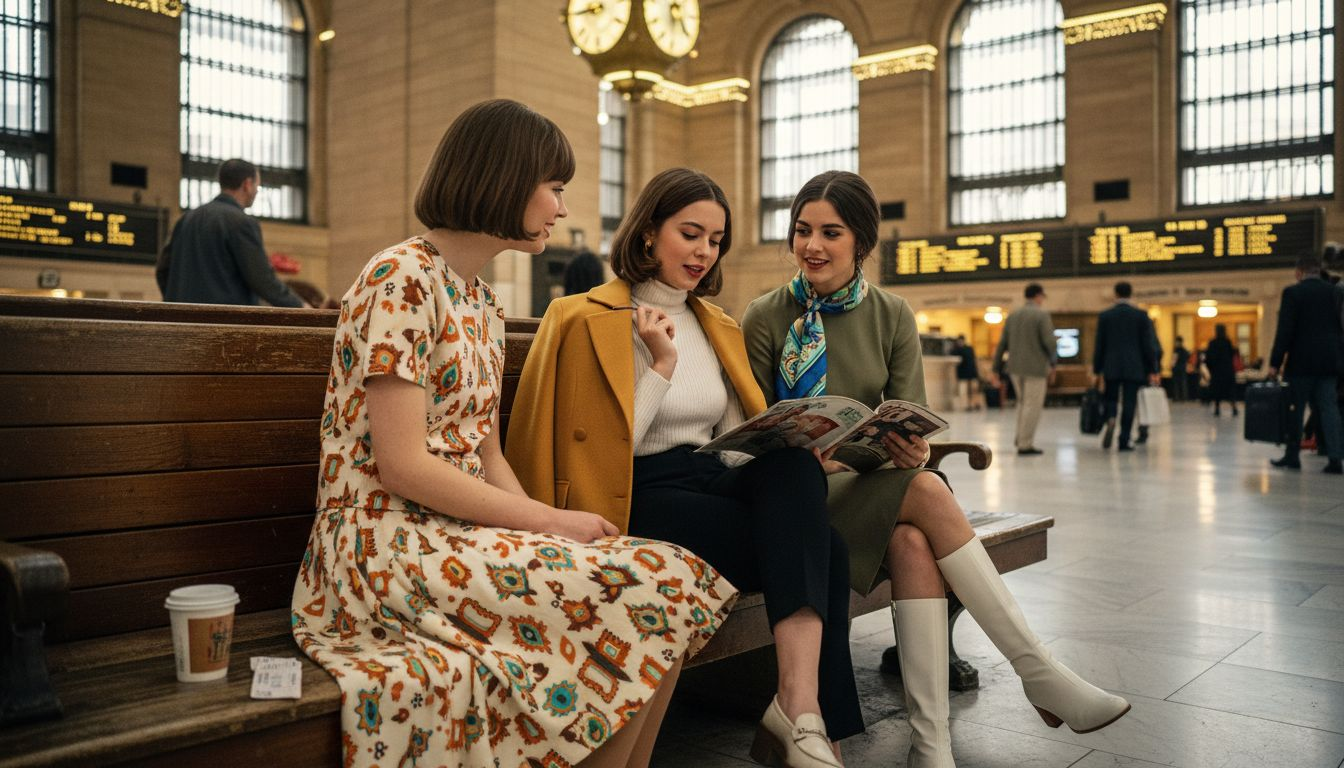
Evening wear and casual clothing both underwent significant transformations, reflecting the decade’s spirit of experimentation. Structured evening gowns featured bold patterns and high necklines, while casual wear increasingly incorporated slim jeans, trousers, and bikinis with high-waisted bottoms. Designers pushed boundaries by introducing innovative cuts that prioritized comfort and individual expression over traditional restrictive fashion norms.
Pro tip: When recreating 1960s looks, mix structured pieces like boxy jackets with more playful elements like mini skirts to capture the decade’s unique blend of sophistication and rebellion.
Iconic Designers and Influential Style Muses
The early 1960s fashion landscape was dramatically transformed by innovative designers who challenged traditional clothing norms, creating a revolutionary aesthetic that captured the decade’s spirit of social change and individual expression. These visionary creators reimagined women’s wardrobes, breaking away from previous decades’ conservative designs.
Mary Quant emerged as a pivotal figure, single-handedly revolutionizing fashion with her bold approach to design. Her invention of the mini skirt became a powerful symbol of female liberation, challenging societal expectations and giving young women a new form of self-expression. Alongside Quant, designers like Yves Saint Laurent and André Courrèges pushed boundaries by introducing futuristic elements such as go-go boots and sleek, geometric silhouettes that reflected the era’s technological optimism.
Style muses of the period played an equally significant role in defining fashion trends, with iconic figures like Jacqueline Kennedy setting unprecedented standards of elegance. The First Lady’s sophisticated pillbox hats and tailored suits became global fashion statements, while emerging cultural icons like model Twiggy represented the younger, more rebellious side of 1960s fashion. The London ‘Modernists’ or mods further influenced design, creating clothing that celebrated youth culture and rejected older generations’ more conservative dress codes.
The following table highlights the signature contributions of key early 1960s designers and style muses:
| Designer/Style Icon | Main Contribution | Impact on Fashion |
|---|---|---|
| Mary Quant | Invented the mini skirt | Empowered youth, broke taboos |
| Yves Saint Laurent | Introduced bold silhouettes | Popularized modern tailoring |
| Jacqueline Kennedy | Iconic pillbox hats | Set global standards of elegance |
| Twiggy | Popularized ‘mod’ looks | Inspired playful, bold styles |
Pro tip: When channeling 1960s designer inspirations, mix structured pieces with unexpected elements to capture the decade’s revolutionary spirit of fashion and personal freedom.
Popular Fabrics, Colors, and Accessories
The early 1960s fabric landscape represented a remarkable fusion of traditional materials and innovative synthetic technologies, reflecting the decade’s revolutionary spirit of experimentation and transformation. Textiles became more than just clothing components - they were canvases for personal expression and social change.
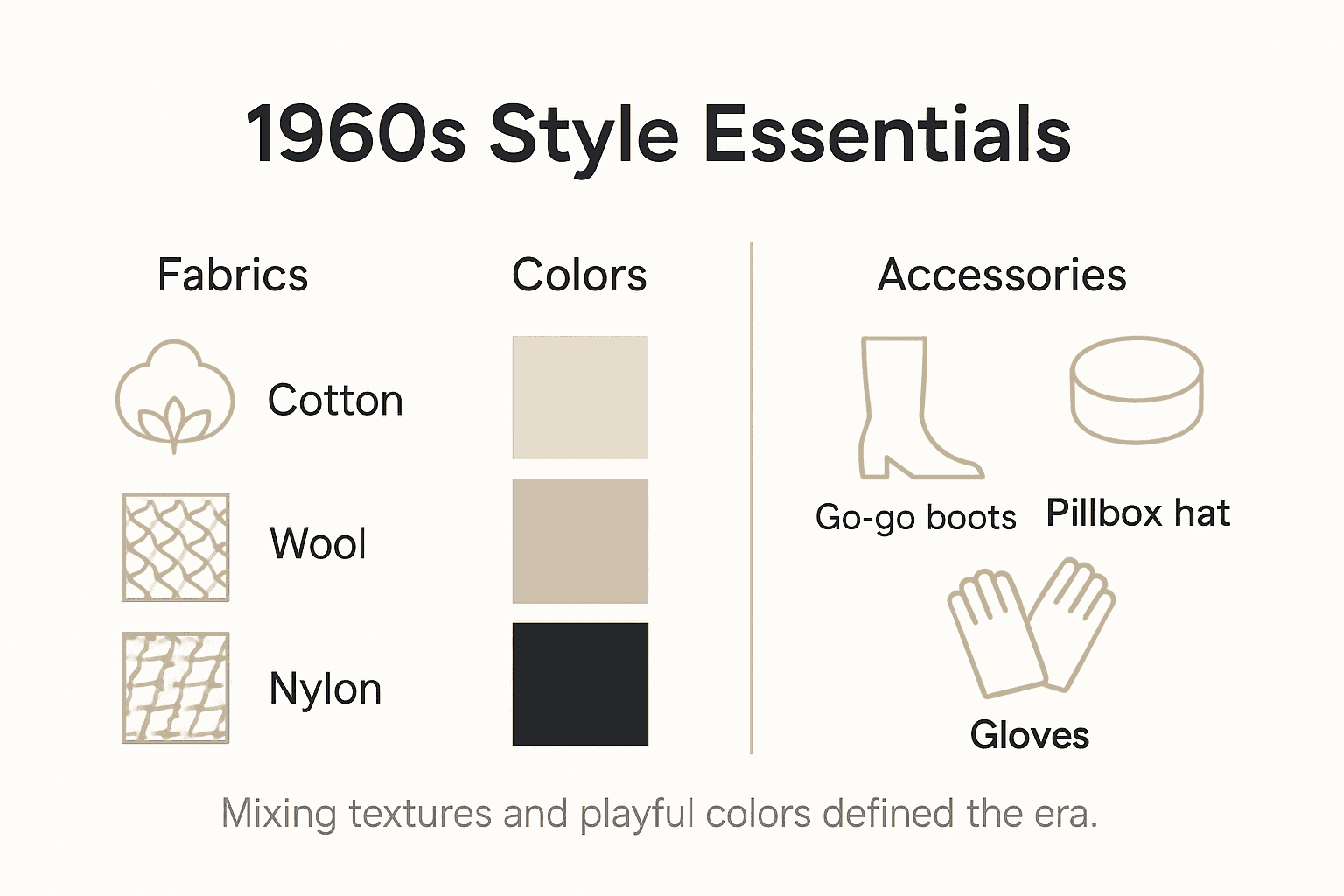
Natural and synthetic fabrics coexisted dynamically during this era. Cotton remained a staple for casual daywear, offering comfort and versatility, while wool blends provided structure for tailored suits and dresses. Silk maintained its luxury status, reserved for elegant evening ensembles. The emergence of polyester marked a technological breakthrough, enabling designers to create bold geometric prints and vibrant color patterns that captured the decade’s adventurous aesthetic. Synthetic materials allowed for unprecedented design flexibility, supporting the era’s experimental silhouettes.
Accessories became powerful statements of individual identity during the 1960s. Go-go boots in bright white or bold colors complemented mini skirts, while pillbox hats - popularized by Jacqueline Kennedy - added a touch of sophisticated glamour. Bold makeup styles featuring dramatic eye makeup and pale lips completed the look, transforming accessories from mere decorative elements to integral components of personal style and self-expression.
Pro tip: When recreating 1960s style, mix synthetic and natural fabrics to capture the decade’s innovative textile spirit and experiment with bold accessories that tell your unique story.
Style Evolution and Modern-Day Inspiration
The 1960s fashion landscape represented a profound cultural transformation that continues to inspire contemporary design and self-expression, challenging traditional boundaries of style and personal identity. What began as a decade of refined elegance rapidly evolved into a revolutionary period of creativity and social change.
The era’s stylistic journey was marked by remarkable transitions, starting with ladylike sophistication and progressively embracing more experimental, unisex designs. Mini skirts, psychedelic prints, and bell-bottom jeans symbolized a radical departure from previous fashion norms, reflecting deeper societal shifts in gender expression and individual freedom. Contemporary designers frequently draw inspiration from these groundbreaking 1960s silhouettes, reimagining them through modern perspectives that celebrate diversity and personal empowerment.
Modern fashion continues to pay homage to the 1960s by exploring themes of cultural identity, creative expression, and social liberation, demonstrating the decade’s enduring influence. Today’s designers incorporate 60s elements like geometric patterns, bold color blocking, and innovative fabric combinations, transforming historical styles into current fashion statements that resonate with new generations seeking authentic self-expression.
Here’s a summary of how early 1960s fashion trends influenced modern styles:
| 1960s Trend | Modern Equivalent | Key Influence |
|---|---|---|
| Mini Skirt | Short dresses, skorts | Youthful self-expression |
| Boxy Jacket Suit | Structured blazers | Polished workwear |
| Geometric Prints | Bold patterned dresses | Statement looks |
| Go-go Boots | Knee-high boots | Retro footwear revival |
Pro tip: When incorporating vintage 1960s inspirations into modern wardrobes, focus on capturing the era’s spirit of rebellion and individuality rather than creating exact historical replicas.
Embrace the Spirit of Early 1960s Elegance and Rebellion with Be Juliet
The early 1960s was a time when women redefined elegance by blending structured silhouettes with bold, youthful rebellion. If you want to capture that unique balance of sophistication and freedom in your wardrobe, Blouses and Crop Tops from Be Juliet offer fresh ways to channel these timeless styles. Whether you are drawn to clean lines or playful prints, our collections help you express your authentic self with confidence and grace.
Discover pieces that pay homage to the iconic early 1960s looks while honoring your own modern story. Start your journey of bold self-expression today by exploring Be Juliet’s versatile wardrobe essentials crafted to inspire elegance and fearless individuality. Shop now at Be Juliet and transform your style into a celebration of love and personal freedom.
Frequently Asked Questions
What are the key elements of early 1960s women’s fashion?
The key elements of early 1960s women’s fashion include tailored silhouettes, structured skirt suits, geometric shift dresses, and the iconic mini skirt. Accessories like go-go boots and pillbox hats were also significant in defining the style of the era.
How did social changes influence women’s fashion in the early 1960s?
Social changes, including the rise of youth culture and women’s liberation, influenced fashion by introducing more casual, unisex designs, such as trousers for women. This era marked a transition from conservative styles to bold, expressive clothing choices that reflected individual identity and freedom.
Who were the significant designers and style icons of early 1960s fashion?
Significant designers include Mary Quant, Yves Saint Laurent, and André Courrèges. Style icons like Jacqueline Kennedy and Twiggy also played crucial roles in shaping fashion trends, with Kennedy representing elegance and Twiggy embodying youthful rebellion.
What types of fabrics and colors were popular in early 1960s fashion?
Popular fabrics included cotton, wool blends, silk, and innovative synthetics like polyester. The colors were vibrant and bold, featuring geometric patterns that were characteristic of the experimental spirit of the decade.