
Importance of Fit in Clothing: Confidence and Self-Expression
Most American women say comfort is just as important as style when choosing clothing. In bustling urban settings, daily fashion connects closely with confidence and self-expression. As modern design moves beyond rigid rules, you gain access to clothing that adapts to your body and mood. This article explores new approaches to fit, showing how the right styles create a wardrobe that feels tailor-made for your unique life.
Table of Contents
- Understanding Fit In Modern Clothing
- Types Of Fit And Personal Style
- How Fit Influences Confidence
- Fashion, Comfort, And Self-Expression
- Common Fit Challenges And Solutions
Key Takeaways
| Point | Details |
|---|---|
| Clothing Fit Is Personal | Modern clothing fit emphasizes individual expression, adapting to various body shapes and personal comfort beyond traditional measurements. |
| Fashion Influences Confidence | Proper fit enhances psychological well-being, boosting confidence and allowing individuals to feel authentic in their clothing choices. |
| Embracing Body Diversity | The fashion industry is shifting toward more inclusive designs that accommodate diverse body types, moving away from rigid sizing standards. |
| Prioritize Comfort | When shopping, focus on how garments feel and move rather than relying solely on numeric sizes for a more empowering experience. |
Understanding Fit in Modern Clothing
Clothing fit is more than measurements—it’s a conversation between fabric, form, and individual expression. Modern clothing fit design has evolved significantly, transforming from rigid sizing standards to dynamic, personalized approaches that celebrate body diversity.
Today’s clothing fit considers complex interactions between human anatomy, fabric technology, and personal comfort. Ergonomic research reveals that proper fit isn’t just about size, but how garments move with the body, providing freedom of motion while maintaining structural integrity. Body mapping techniques now allow designers to create clothing that adapts to different body shapes, considering factors like muscle movement, flexibility, and individual proportions.
Designers now utilize advanced technological tools to understand fit more comprehensively. Digital assessment processes incorporate 3D body scanning, algorithmic sizing models, and sophisticated measurement techniques that go far beyond traditional tailoring methods. These innovations mean clothing can be more precisely crafted to individual body types, creating garments that feel like a second skin.
Pro tip: When shopping, always prioritize how a garment feels and moves over strict numerical sizing.
Types of Fit and Personal Style
Personal style is a nuanced landscape where clothing fit becomes an intimate form of self-expression. Different fit categories reveal complex interactions between individual preferences and body dynamics, demonstrating that fit is far more than just measurements—it’s a deeply personal narrative.
Traditionally, clothing fit falls into several key categories: standard fit, slim fit, relaxed fit, and tailored fit. Each type communicates a different aesthetic and emotional intent. Standard fit offers classic comfort, slim fit suggests contemporary precision, relaxed fit embraces casual freedom, and tailored fit embodies sophisticated intentionality. These variations allow individuals to curate wardrobes that authentically represent their unique personalities and lifestyle needs.
Here’s a comparison of modern fit categories and their impact on personal style:
| Fit Type | Main Characteristic | Typical Occasion | Emotional Effect |
|---|---|---|---|
| Standard Fit | Balanced comfort | Everyday, professional | Provides ease and reliability |
| Slim Fit | Close to the body | Contemporary, social | Conveys precision and energy |
| Relaxed Fit | Loose, casual silhouette | Leisure, informal events | Promotes comfort and openness |
| Tailored Fit | Customized and structured | Business, formal, special | Evokes confidence and elegance |
Research on person-environment interactions suggests that clothing fit isn’t just about physical dimensions, but about creating a harmonious relationship between personal style, body shape, and psychological comfort. Some people feel most confident in structured silhouettes that create clean lines, while others prefer fluid designs that allow unrestricted movement. Understanding these nuanced preferences helps individuals make more meaningful fashion choices that genuinely reflect their inner sense of self.
Modern fashion increasingly recognizes that fit is a deeply personal language. Body diversity is celebrated, with designers creating collections that honor different shapes, sizes, and movement patterns. This approach transforms fit from a restrictive concept to an empowering tool of self-expression.
Pro tip: Always try on clothing and assess how it makes you feel, not just how it looks in the mirror.
How Fit Influences Confidence
Clothing fit profoundly impacts psychological well-being and self-perception, transforming how we view ourselves and interact with the world. When a garment fits perfectly, it becomes more than fabric—it’s a second skin that amplifies our inner confidence and external presentation.
The psychological mechanics of clothing fit are complex and deeply personal. Body alignment plays a crucial role in how we experience confidence through our wardrobe. Ill-fitting clothes can create physical discomfort and mental unease, causing individuals to feel self-conscious and restricted. Conversely, well-fitted clothing creates a sense of empowerment, allowing natural movement and helping people feel more authentic and secure in their own bodies.
Contemporary research exploring body image perceptions reveals that clothing fit goes beyond physical measurements. It’s a nuanced interaction between personal comfort, cultural expectations, and individual self-perception. Different body types require different fit strategies, and understanding this can dramatically improve one’s relationship with personal style. Some individuals feel most confident in structured silhouettes that provide definition, while others prefer flowing designs that offer emotional and physical freedom.
Modern fashion increasingly recognizes that confidence is not about conforming to a single standard, but about finding clothing that makes each person feel powerful, comfortable, and true to themselves. The right fit can transform not just an outfit, but a person’s entire emotional landscape.
Pro tip: Invest time in understanding your body’s unique shape and prioritize comfort and personal expression over temporary trends.
Fashion, Comfort, and Self-Expression
Fashion serves as a powerful medium for personal storytelling and identity construction, extending far beyond mere clothing choices. Every garment becomes a canvas where personal narratives, cultural backgrounds, and individual experiences converge, creating a unique visual language of self-expression.
The intersection of comfort and style represents a profound emotional landscape. Comfortable clothing isn’t just about physical ease—it’s about creating a psychological sanctuary where individuals feel authentically themselves. When clothing aligns with personal comfort zones, it becomes a form of emotional armor, enabling people to navigate social spaces with confidence and grace.
Psychological research highlights fashion’s transformative potential as a dynamic tool for social communication and personal empowerment. Different styles communicate complex narratives—structured blazers might signal professional ambition, while flowing bohemian designs could represent creative freedom. These sartorial choices allow individuals to communicate aspects of their identity without uttering a single word, making fashion a nuanced form of non-verbal expression.
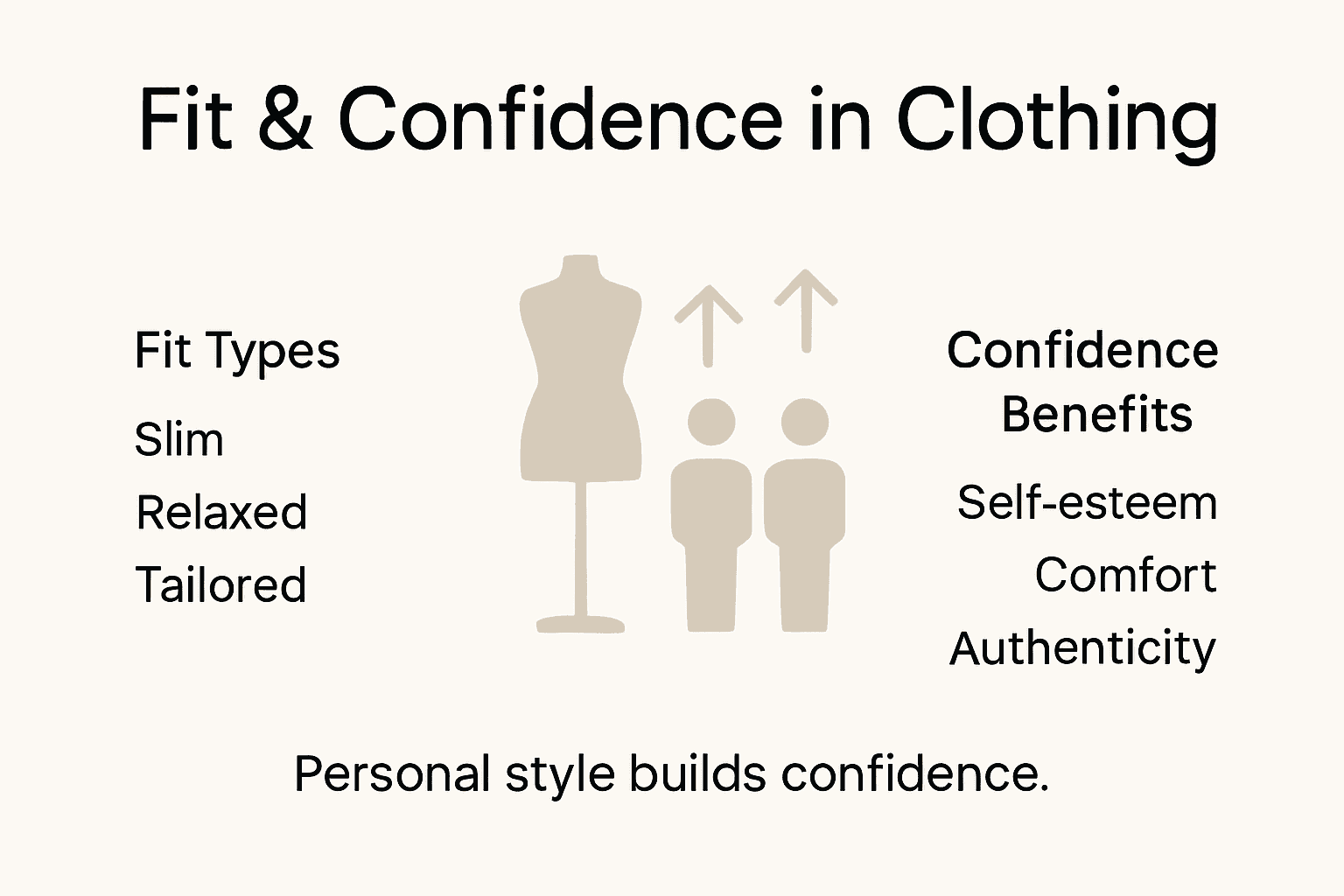
Modern fashion philosophy increasingly embraces diversity, recognizing that true style emerges when personal comfort, cultural context, and individual creativity intersect. It’s not about following trends, but about curating a wardrobe that feels like a genuine extension of one’s inner self.
Pro tip: Choose clothing that makes you feel powerful, comfortable, and authentically you—not what others expect you to wear.
Common Fit Challenges and Solutions
Garment fit challenges represent complex interactions between body diversity and clothing design, requiring sophisticated solutions that go beyond traditional sizing approaches. Modern fashion demands innovative strategies that recognize the unique contours and proportions of individual bodies.
The most prevalent fit challenges emerge from fundamental differences in body shapes, including variations in shoulder width, waist-to-hip ratios, height, and muscular structure. Some individuals struggle with standard sizing that fails to accommodate broader shoulders, shorter torsos, or more muscular builds. These discrepancies can lead to clothing that feels restrictive, uncomfortable, or creates unflattering silhouettes, ultimately undermining personal confidence and style expression.
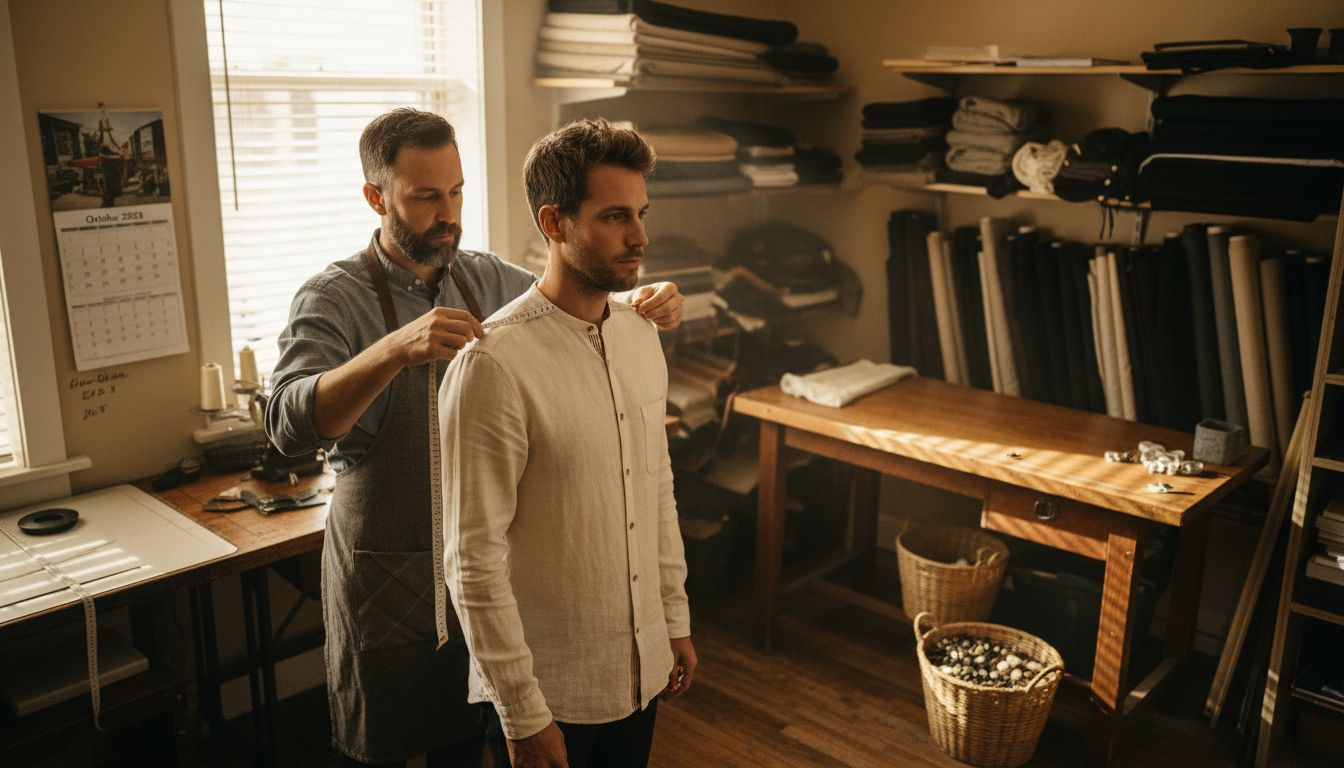
Advanced anthropometric analysis offers comprehensive solutions for addressing diverse fitting complexities, introducing sophisticated techniques like 3D body scanning, adaptive pattern-making, and digitally customized sizing. Technological innovations now enable more precise measurements, allowing designers to create clothing that adapts to individual body characteristics rather than forcing bodies to conform to rigid sizing standards. These approaches incorporate detailed mapping of body variations, creating more inclusive and personalized clothing experiences.
Key solutions for common garment fit challenges are summarized below:
| Challenge | Why It Occurs | Example Solution | Benefit to Wearer |
|---|---|---|---|
| Broad shoulders | Standard sizes too narrow | Adaptive pattern-making | Allows natural arm movement |
| Short torso | Length mismatched | Custom length adjustments | Prevents fabric bunching |
| Muscular build | Restrictive fit | Digitally customized sizing | Enhances flexibility and ease |
| Height variations | Size does not scale well | 3D body scanning techniques | Ensures proper overall fit |
The future of fashion fit lies in recognizing body diversity as a strength, not a challenge. By embracing technological solutions and moving beyond traditional sizing frameworks, the fashion industry can create more inclusive, comfortable, and empowering clothing options that celebrate individual uniqueness.
Pro tip: Always prioritize how clothing feels on your body over adhering to standardized size labels.
Discover Confidence and True Fit with Be Juliet
The article highlights how important clothing fit is for expressing confidence and self-identity. Many women face challenges finding outfits that move naturally with their bodies while reflecting their unique style. At Be Juliet, we understand that the right fit goes beyond numbers. Our collections, including Bodysuits That Snatch, Smooth & Serve, are designed to embrace diverse shapes and empower you to feel comfortable and authentic every day.
Experience fashion that celebrates your individuality and supports your personal confidence journey. Whether you want a look that radiates elegance or embraces effortless ease, Be Juliet offers timeless, modern pieces crafted with love. Start your journey of self-expression today by exploring our curated collections at Be Juliet. Don’t wait to wear what truly fits and fuels your confidence.
Frequently Asked Questions
What is the significance of clothing fit in self-expression?
Clothing fit is crucial for self-expression as it allows individuals to choose styles that align with their personal comfort and body dynamics, thereby reflecting their unique identities and preferences.
How does fit influence confidence and psychological well-being?
Well-fitted clothing enhances confidence by allowing natural movement and comfort, making individuals feel more authentic and secure in their appearance. Poor fit can lead to discomfort and self-consciousness.
What are the different types of clothing fit?
Common types of clothing fit include standard fit, slim fit, relaxed fit, and tailored fit. Each type conveys a different aesthetic and emotional intention, catering to various personal styles and needs.
What common challenges do people face with clothing fit?
Common fit challenges arise from body shape variations, such as broad shoulders or muscular builds. These discrepancies can result in uncomfortable garments. Solutions like adaptive pattern-making and 3D body scanning are helping to address these issues.
Recommended
- Fashion and Mental Health: How Your Style Impacts Your Wellbeing – Be Juliet
- Why Fashion Matters – Self-Expression, Identity, and Power – Be Juliet
- Wellness and Fashion – How Clothing Elevates Mood – Be Juliet
- Why Does Fashion Matter? The Essential Guide – Be Juliet
- Role of Fashion in Eyewear: Complete Guide – ministry of sight