
Emotion in Fashion – Shaping Identity and Confidence
Most American women living in major cities grapple with balancing authenticity, emotion, and comfort in their wardrobes. Fashion is not just about trends or aesthetics—it is a powerful form of emotional self-expression that shapes daily identity. Over 80 percent of women in urban American areas use fashion to communicate their mood and values. This article shows how understanding the emotional language of clothing transforms how you express love, confidence, and individuality in every outfit.
Table of Contents
- Defining Emotion In Fashion And Self-Expression
- Key Variations In Love-Inspired Style
- How Clothing Influences Mood And Identity
- Fashion As Empowerment And Psychological Armor
- Common Challenges In Authentic Self-Expression
- Avoiding Pitfalls: Social Pressure And Comparison
Key Takeaways
| Point | Details |
|---|---|
| Fashion as Emotional Expression | Clothing serves as a powerful medium for communicating personal identity and emotional states. Choosing the right attire can enhance feelings of confidence and self-empowerment. |
| Cultural Influences on Style | Love-inspired fashion varies across cultures, reflecting unique emotional narratives through diverse styles and aesthetics. Authenticity is key in expressing individual interpretations of love through fashion. |
| Impact of Social Pressure | Constant social comparison can hinder authentic self-expression; developing self-awareness and confidence is crucial for maintaining a personal style that reflects true identity. |
| Fashion as Empowerment | Clothing can act as psychological armor, allowing individuals to assert themselves and navigate societal expectations with resilience and authenticity. |
Defining Emotion in Fashion and Self-Expression
Fashion transcends mere fabric and design - it’s a profound language of emotional communication and personal identity. When we select an outfit, we’re not simply choosing clothing, but crafting a narrative about who we are and how we want to be perceived. Research exploring the intricate relationship between attire and emotional expression reveals clothing as a nuanced psychological instrument that communicates complex inner experiences.
Emotional self-expression through fashion represents a dynamic interplay between personal psychology and creative presentation. Designers understand this deeply, recognizing that garments are more than aesthetic objects - they are emotional conduits that translate internal states into visual representations. Academic investigations into fashion design processes demonstrate how emotional intelligence drives creativity, enabling designers to transform abstract feelings into tangible style statements that resonate with individual experiences.
The power of fashion as emotional communication lies in its ability to transcend verbal language. A carefully chosen color palette, a specific silhouette, or an unexpected textile combination can communicate confidence, vulnerability, rebellion, or tranquility without uttering a single word. By understanding fashion as an emotional vocabulary, individuals can strategically curate wardrobes that authentically reflect their inner landscape and psychological states.
Pro tip: Approach your wardrobe as a personal emotional toolkit, selecting pieces that not only look good but make you feel genuinely empowered and true to yourself.
Here is a summary of ways fashion communicates emotion:
| Emotional Aspect | Example Fashion Choices | Psychological Impact |
|---|---|---|
| Confidence | Bold colors, tailored fits | Enhances self-assurance |
| Vulnerability | Soft fabrics, loose shapes | Promotes openness and comfort |
| Independence | Unconventional combinations | Supports self-determination |
| Serenity | Neutral tones, minimalism | Fosters calm and stability |
Key Variations in Love-Inspired Style
Love-inspired style is a dynamic and nuanced form of personal expression that goes far beyond conventional romantic aesthetics. Comparative research on global love and cultural representations reveals that love-inspired fashion is a rich tapestry of emotional storytelling, with each culture and individual bringing unique interpretations to how romantic sentiments are translated through clothing.
These stylistic variations emerge through multiple dimensions - from color choices and fabric selections to silhouettes that communicate vulnerability, passion, or tender intimacy. Contemporary fashion design studies demonstrate how cultural heritage profoundly influences romantic style narratives, showing that love-inspired fashion is not a monolithic concept but a deeply personalized form of self-expression that reflects individual and collective emotional landscapes.
While some love-inspired styles lean into traditional romantic imagery - soft pastels, delicate laces, flowing silhouettes - others challenge these conventions with bold statements of independence and self-love. Modern interpretations might include powerful monochromes, structured blazers paired with heart-shaped accessories, or unexpected textile combinations that symbolize complex emotional journeys. The key is authenticity: creating a style narrative that genuinely reflects one’s unique understanding and experience of love.
Pro tip: Build a wardrobe that tells your personal love story, embracing styles that make you feel confident and emotionally authentic.
How Clothing Influences Mood and Identity
Scientific research exploring the psychological dimensions of fashion reveals clothing as a powerful mechanism for constructing and communicating personal identity. Our wardrobe choices are far more than aesthetic preferences - they represent complex psychological tools through which we negotiate our sense of self, social belonging, and emotional states. Each garment becomes a deliberate statement, communicating nuanced aspects of our personality, cultural background, and inner emotional landscape.
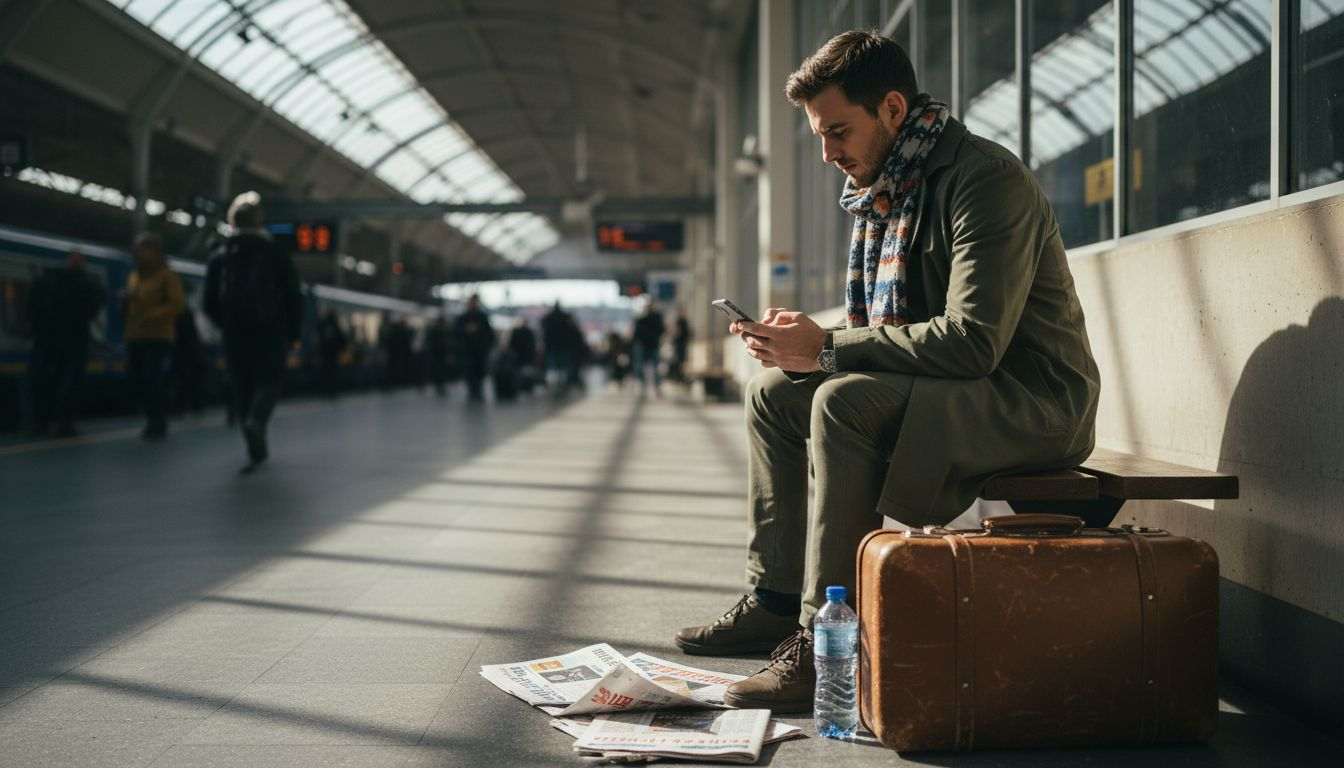
The intricate relationship between clothing and psychological well-being extends beyond simple self-expression. Multidisciplinary studies demonstrate that fashion profoundly impacts mental health and social connectivity, suggesting that what we wear directly influences our mood, confidence, and interpersonal interactions. Certain colors, textures, and styles can trigger specific emotional responses, helping individuals navigate complex psychological terrains by providing a tangible form of emotional armor or vulnerability.
Identity construction through fashion is a dynamic process of negotiation. Different contexts demand different sartorial languages - a structured blazer might represent professional confidence in one moment, while a soft, oversized sweater communicates vulnerability and comfort in another. The power lies in understanding clothing as a flexible medium of personal narrative, allowing individuals to shift, adapt, and express the multifaceted nature of their inner selves through strategic wardrobe choices.
Pro tip: Curate a wardrobe that reflects your emotional complexity, allowing your clothing to be a flexible tool for self-expression and psychological resilience.
Fashion as Empowerment and Psychological Armor
Qualitative research exploring the profound connection between clothing and personal empowerment reveals fashion as a powerful mechanism of self-assertion and psychological resilience. Far from being a superficial aesthetic choice, clothing becomes a strategic tool through which individuals construct, protect, and communicate their inner identity. Each carefully selected garment serves as a form of non-verbal communication, offering protection against external judgments and creating a personal shield of confidence.
Particularly for marginalized communities, fashion emerges as a critical instrument of psychological armor. Studies examining women’s experiences across diverse cultural contexts demonstrate how strategic style choices can transform clothing from a mere covering into a powerful statement of self-determination. Whether challenging societal expectations or affirming personal dignity, fashion becomes a nuanced language of resistance, allowing individuals to rewrite narratives about themselves on their own terms.
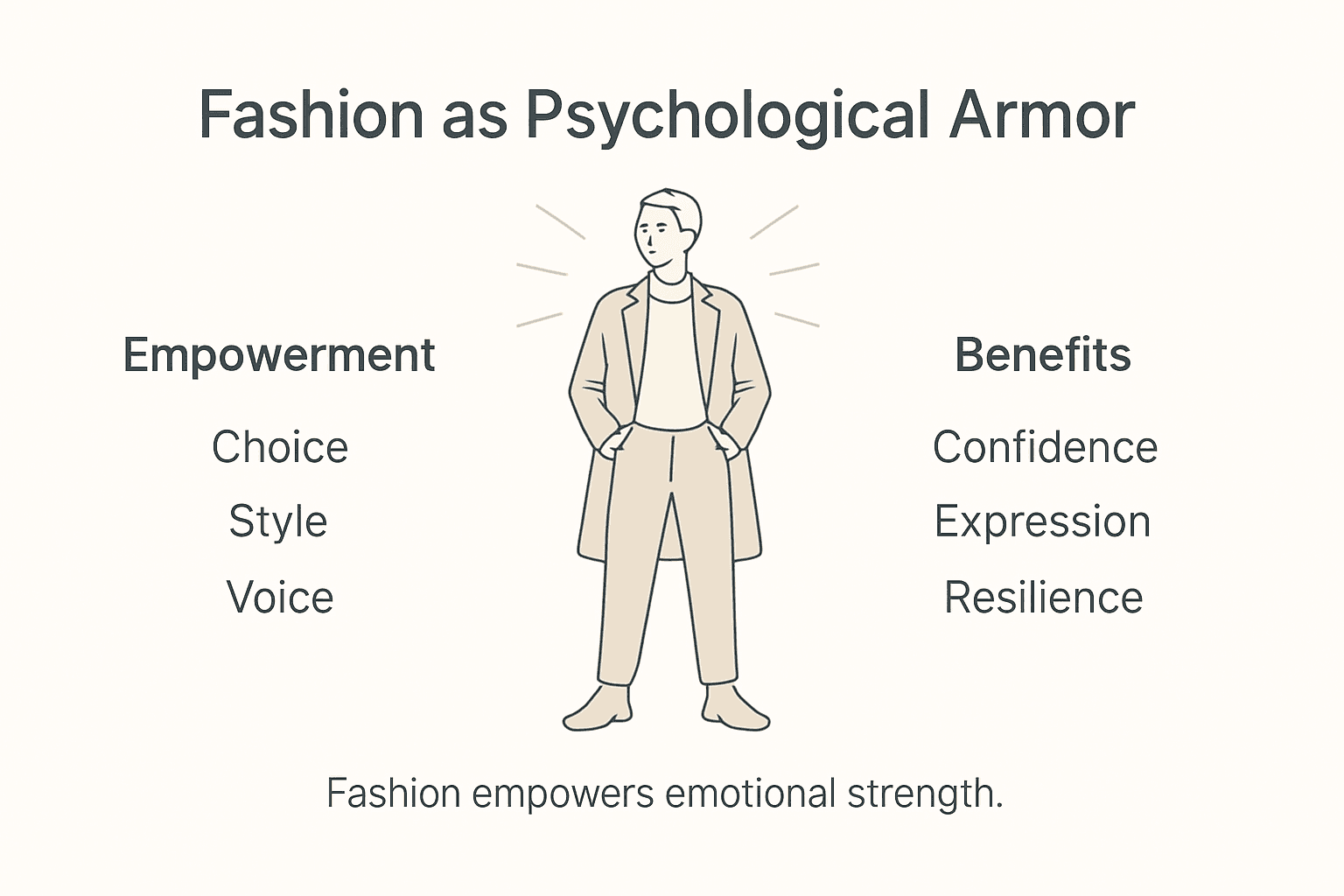
The transformative power of fashion lies in its ability to bridge internal emotional states with external representation. A structured blazer can instantaneously communicate professional competence, while a boldly colored dress might represent personal courage. This dynamic interaction between personal style and psychological state allows individuals to craft visual narratives that reflect their most authentic selves, turning clothing into a form of emotional and social navigation.
Pro tip: Choose clothing that makes you feel powerful, understanding that your wardrobe is a toolkit for personal expression and emotional resilience.
Common Challenges in Authentic Self-Expression
Research investigating the complexities of personal fashion identity reveals the profound challenges individuals face when attempting to authentically express themselves through clothing. The journey of self-expression is rarely straightforward, as people navigate intricate social landscapes where personal style intersects with cultural expectations, societal norms, and individual psychological needs. These challenges manifest as internal conflicts between desired self-representation and external pressures to conform.
Psychological perspectives highlight multiple barriers to genuine self-expression. Comprehensive studies exploring fashion’s role in personal narrative demonstrate how societal expectations can create significant obstacles. Individuals often grapple with the tension between maintaining professional respectability and expressing personal creativity, leading to compromises that dilute their authentic style. The fear of judgment, whether in workplace environments or social settings, frequently compels people to moderate their fashion choices, sacrificing personal authenticity for perceived social acceptance.
The most nuanced challenge lies in developing the confidence to embrace individual style despite external pressures. Cultural backgrounds, generational differences, and personal insecurities can create complex layers of resistance to authentic self-expression. Some individuals find themselves code-switching through different style personas, adapting their appearance to fit various social contexts while struggling to maintain a coherent sense of personal identity. The most powerful form of fashion empowerment emerges when individuals recognize that true style transcends temporary trends and represents a deeply personal form of storytelling.
Pro tip: Start building your authentic style by identifying clothing that makes you feel genuinely confident, regardless of external expectations.
Common barriers to authentic self-expression and strategies to overcome them:
| Challenge | Typical Pressure Source | Overcoming Strategy | Benefit of Strategy |
|---|---|---|---|
| Fear of social judgment | Workplace, peer groups | Focus on personal comfort | Increased confidence |
| Cultural expectations | Family, traditions | Adapt styles mindfully | Greater authenticity |
| Trend conformity | Social media, pop culture | Limit digital exposure | Sustainable self-identity |
| Lack of confidence | Internal insecurities | Gradual style experimentation | Enhanced self-worth |
Avoiding Pitfalls: Social Pressure and Comparison
Scientific research examining appearance-based social dynamics reveals the profound psychological impact of constant social comparison and external pressure on personal style and self-perception. The digital age has intensified these challenges, creating an environment where individuals are continuously bombarded with curated images and unrealistic fashion standards that can erode personal confidence and authentic self-expression. These external influences create a complex psychological landscape where personal style becomes a battleground between individual identity and societal expectations.
Comprehensive studies exploring the mechanisms of fashion involvement demonstrate how media exposure, social media algorithms, and peer networks systematically shape fashion choices. The constant stream of algorithmic recommendations and influencer content creates a subtle but persistent pressure to conform, making it increasingly difficult for individuals to develop a truly authentic personal style. This digital ecosystem generates cognitive dissonance, where people feel simultaneously compelled to stand out and fit in, creating significant emotional and psychological tension.
Navigating these social pressures requires developing strong self-awareness and intentional strategies for maintaining personal style integrity. Recognizing that fashion trends are transient while personal identity is enduring can help individuals resist the urge to constantly modify their appearance to match fleeting external standards. The most powerful approach involves cultivating self-compassion, understanding that personal style is a journey of self-discovery rather than a competition or performance for external validation.
Pro tip: Curate a personal style inspiration board that reflects your authentic self, not algorithmic trends or social media aesthetics.
Elevate Your Emotional Expression with Be Juliet
The article highlights how fashion is much more than style it is an emotional language that shapes identity and builds confidence. Many women face challenges like fear of social judgment or balancing authentic self-expression with societal pressures. At Be Juliet we understand these pain points and offer thoughtfully designed pieces that empower you to embrace your full emotional spectrum. Whether you want to convey strength and independence or softness and vulnerability our collections support your authentic self.
Explore our Women’s Outerwear – Coats, Jackets, Blazers & More to find bold structured pieces that create a powerful silhouette or relax into comfort with our inviting Sweaters & Sweatshirts perfect for serene and laid-back moments.
Step into your emotional toolkit today and redefine your style on your own terms. Visit Be Juliet now for timeless and inspired fashion that fuels your self-expression and confidence. Start shaping your identity with clothing that truly reflects who you are and how you want to feel.
Frequently Asked Questions
What role does fashion play in emotional self-expression?
Fashion serves as a powerful language of emotional communication, allowing individuals to convey complex inner experiences and personal identities through their clothing choices.
How can I use my wardrobe to reflect my personality?
You can curate your wardrobe as an emotional toolkit by choosing pieces that not only appeal visually but also resonate with your feelings and values, ultimately reflecting your authentic self.
What are some challenges people face in expressing their true style?
Individuals often encounter barriers such as fear of social judgment, cultural expectations, and pressures to conform to trends, which can hinder their ability to express their authentic selves through fashion.
How does clothing influence our mood and confidence?
Scientific research shows that clothing can significantly impact our mood and self-esteem. The right outfit can enhance feelings of confidence, while certain styles may promote vulnerability or comfort, helping individuals navigate their emotional states.
Recommended
- Fashion and Mental Health: How Your Style Impacts Your Wellbeing – Be Juliet
- Why Fashion Matters – Self-Expression, Identity, and Power – Be Juliet
- Women’s Empowerment in Fashion: Confidence Through Style – Be Juliet
- Wellness and Fashion – How Clothing Elevates Mood – Be Juliet
- Fancy asl pants back-story – Fancy As-L Pants