
How Fashion Impacts Mood: Style as Self-Care
Some mornings, the right outfit feels like a mood lifter before coffee even hits the cup. In cities across the United States, thoughtful wardrobe choices have become a personal ritual for women who want to express love for themselves and the world. Research confirms the impact of clothing on emotions, with mood dressing offering a simple way to use style for self-care, confidence, and authentic connection each day.
Table of Contents
- How Fashion Impacts Mood And Emotions
- Mood Dressing Explained: Intention And Self-Care
- Colors, Fabrics, And Their Emotional Effects
- Everyday Outfits That Boost Confidence
- Mindful Outfit Choices For Daily Well-Being
Key Takeaways
| Point | Details |
|---|---|
| Emotional Impact of Fashion | Clothing acts as an emotional language, influencing our mood and how we feel about ourselves. Selecting outfits can be a form of self-care and emotional regulation. |
| Mood Dressing Technique | Purposeful outfit choices allow for intentional emotional expression, helping individuals align their clothing with their desired psychological state. |
| Colors and Textures Matter | Different colors and fabrics can evoke specific emotional responses, making it essential to curate a wardrobe that resonates with one’s feelings. |
| Mindful Selection for Well-Being | Dressing mindfully transforms simple outfit choices into strategies for emotional support and self-nurturing, enhancing daily well-being. |
How Fashion Impacts Mood and Emotions
Fashion is far more than fabric draped on our bodies - it’s a powerful emotional language that communicates our inner world and transforms our psychological state. Emerging research demonstrates how clothing profoundly influences our mental landscape, serving as an external expression of our internal identity and emotional blueprint.
Our wardrobe choices act like emotional armor, capable of shifting our psychological state instantaneously. When we wear something that resonates with our current mood or desired emotional state, we create a tactile, visual representation of our inner self. Different clothing styles trigger specific neurological and hormonal responses:
- Bold colors can spark confidence and energy
- Soft textures can induce feelings of comfort and calm
- Structured pieces can enhance focus and professional demeanor
- Flowing fabrics can promote a sense of freedom and relaxation
Interestingly, fashion’s impact on emotional perception extends beyond personal experience. Our clothing signals social cues that influence how others perceive and interact with us. A tailored blazer might communicate authority, while a bohemian dress suggests creativity and spontaneity.
Psychologically, clothing serves as a form of non-verbal communication with ourselves and the world. By consciously selecting outfits that align with our desired emotional state, we engage in a powerful form of mood dressing - using fashion as an intentional tool for emotional regulation and self-care.
Here’s a quick reference for how different clothing elements influence mood and perception:
| Clothing Element | Typical Emotional Effect | How Others Perceive You |
|---|---|---|
| Bright colors | Uplifts mood, energizes | Friendly, positive |
| Soft fabrics | Creates calm, eases stress | Approachable, relaxed |
| Structured tailoring | Boosts confidence, focus | Professional, capable |
| Playful patterns | Sparks joy, lightens mood | Creative, spontaneous |
| Flowing silhouettes | Invokes freedom, ease | Open, adaptable |
Pro tip: Select one outfit in your wardrobe that makes you feel unstoppable and wear it strategically when you need an extra boost of confidence.
Mood Dressing Explained: Intention and Self-Care
Mood dressing is a powerful psychological strategy that transforms clothing from mere fabric into an intentional tool for emotional well-being. Emerging psychological research reveals that our wardrobe choices are far more than aesthetic decisions - they’re deeply connected to our emotional landscape and self-concept.
The concept of enclothed cognition suggests that what we wear directly influences our psychological state. Different clothing styles can trigger specific emotional responses and cognitive shifts:
- Bright colors can elevate mood and spark creativity
- Soft, comfortable fabrics induce feelings of safety and calm
- Structured tailoring can enhance confidence and professional demeanor
- Playful patterns can lighten emotional weight and promote joy
Psychological studies on fashion demonstrate that intentional style choices are more than superficial - they’re a form of emotional self-regulation. By consciously selecting outfits that align with our desired emotional state, we engage in a nuanced form of self-care that goes beyond traditional wellness practices.
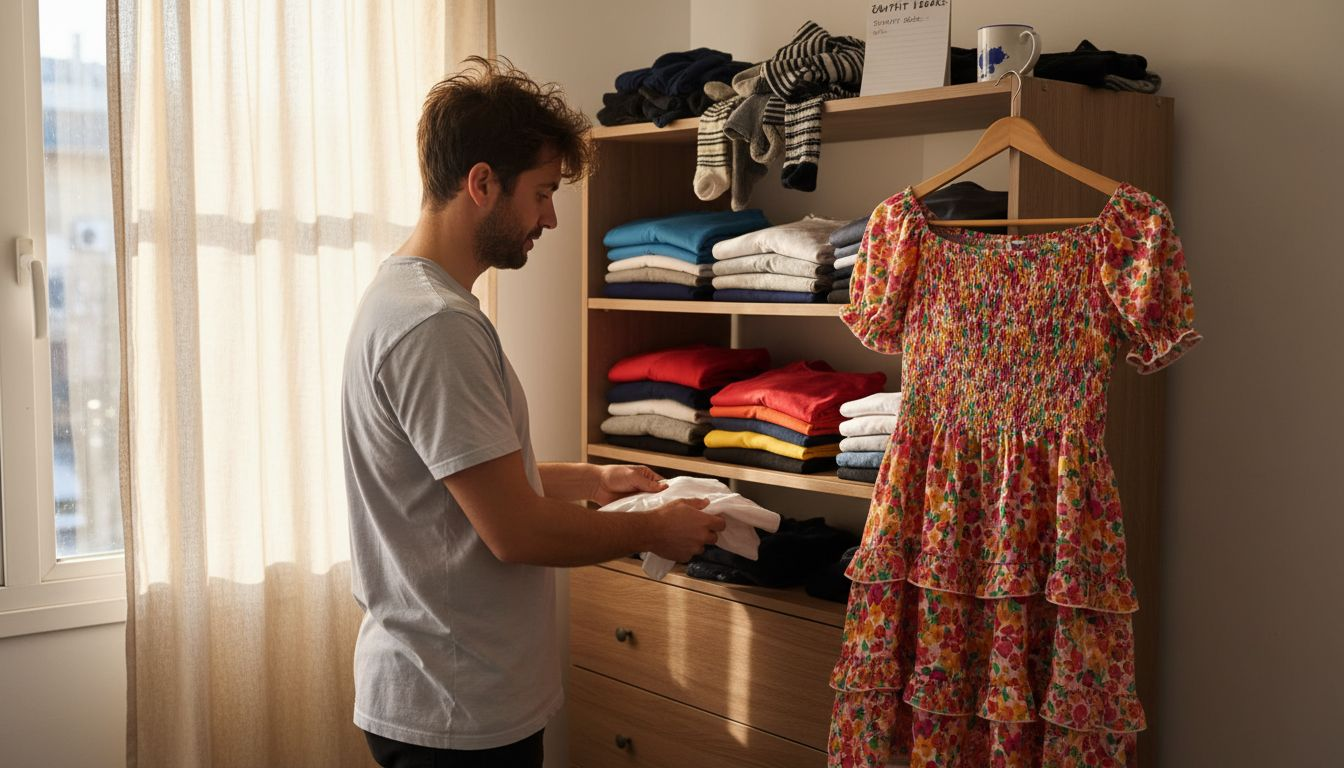
Mood dressing isn’t about following trends, but about creating a personal emotional toolkit through fashion. It’s a practice of mindfulness, where each clothing choice becomes an opportunity to support our mental and emotional well-being, transform our inner narrative, and express our authentic self.
Pro tip: Create a “confidence capsule” in your wardrobe - a curated selection of pieces that make you feel powerful, comfortable, and authentically you.
Colors, Fabrics, and Their Emotional Effects
Scientific research reveals that colors and fabrics are not just aesthetic choices, but powerful emotional triggers that can dramatically influence our psychological state. Each fabric texture and color wavelength communicates a unique emotional language, speaking directly to our inner landscape.
The emotional palette of fashion can be understood through distinct psychological responses:
-
Warm colors (red, orange, yellow)
- Evoke energy and excitement
- Stimulate enthusiasm and creativity
- Boost confidence and passion
-
Cool colors (blue, green, purple)
- Induce calmness and balance
- Promote relaxation and introspection
- Support mental clarity and peace
Psychological studies demonstrate that fabric choices are equally significant in emotional regulation. Soft, fluid materials like silk and cashmere can create a sense of comfort and safety, while structured fabrics like crisp cotton or tailored wool can invoke feelings of control and professionalism.
Understanding this emotional vocabulary allows us to curate wardrobes that serve as emotional armor, helping us navigate different psychological states with intentionality and grace. By selecting colors and textures that resonate with our desired emotional state, we transform clothing from mere covering to a powerful tool of self-expression and well-being.
Pro tip: Create a “mood palette” in your closet - select three colors and two fabric textures that consistently make you feel confident and authentic.
Everyday Outfits That Boost Confidence
Research demonstrates that clothing is far more than a mere aesthetic choice - it’s a powerful psychological tool that can transform our confidence and emotional landscape. The right outfit can serve as personal armor, helping us navigate daily challenges with increased self-assurance.
Confidence-boosting outfits share several key characteristics:
-
Perfectly fitted clothing
- Highlights your body’s best features
- Creates a sense of comfort and ease
- Reduces self-consciousness
-
Pieces that align with personal style
- Reflect your authentic personality
- Make you feel genuinely comfortable
- Communicate your unique identity
-
Versatile, mix-and-match items
- Provide flexibility for different settings
- Increase wardrobe confidence
- Allow creative self-expression
Psychological studies highlight that mindful clothing choices can dramatically improve emotional well-being. The key is selecting pieces that not only look good but feel good - clothing that makes you stand taller, speak more confidently, and approach challenges with greater self-assurance.
Remember that confidence isn’t about following trends, but about creating a wardrobe that makes you feel powerful, comfortable, and authentically yourself. Each outfit is an opportunity to communicate your inner strength and embrace your unique style narrative.
Pro tip: Create a “confidence uniform” - a go-to outfit combination that consistently makes you feel unstoppable, perfect for high-stakes moments.
Mindful Outfit Choices for Daily Well-Being
Mindful clothing research reveals that our daily wardrobe selections are more than aesthetic choices - they’re powerful tools for emotional regulation and self-care. Each outfit becomes an intentional strategy for managing our psychological landscape, transforming getting dressed from a mundane task into a deliberate act of self-nurturing.
Mindful outfit selection involves understanding your emotional needs and using clothing as a supportive tool:
-
Comfort-driven choices
- Prioritize fabrics that feel good against your skin
- Select pieces that allow physical and emotional ease
- Create a sense of personal safety and security
-
Mood-matching strategies
- Choose colors that reflect or elevate your desired emotional state
- Use textures that provide emotional support
- Select silhouettes that make you feel confident
-
Intention-setting techniques
- Pick outfits that align with your daily goals
- Use clothing as psychological armor
- Create a visual representation of your inner strength
Psychological studies demonstrate that mindful dressing goes beyond surface-level style. It’s a profound form of self-communication, where each garment becomes a statement about your emotional boundaries, personal power, and current state of being.
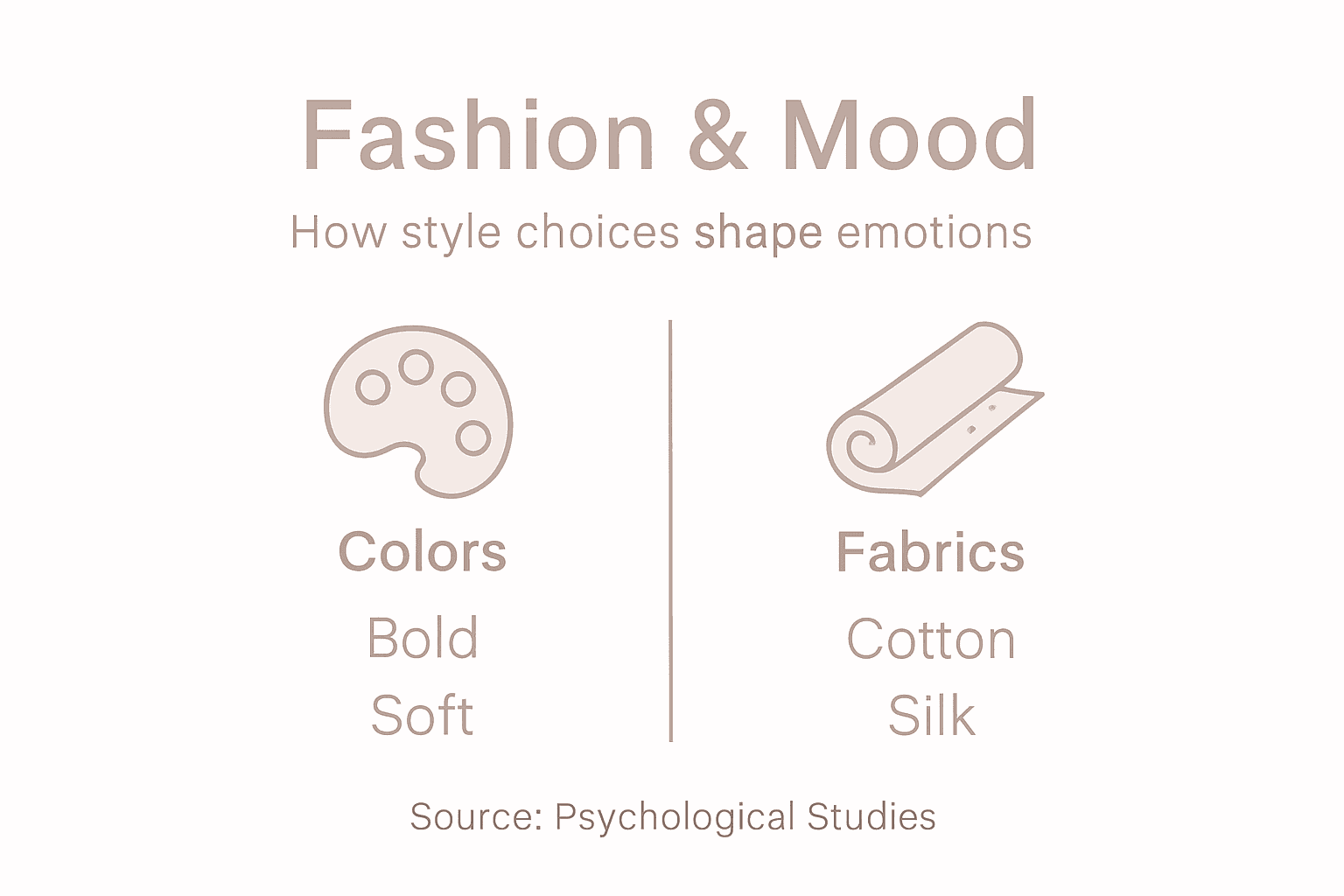
By approaching your wardrobe with intention and self-awareness, you transform clothing from a passive covering into an active tool for emotional well-being. Your outfit becomes a form of personal storytelling, a daily ritual of self-love and psychological support.
Use this summary to identify the best wardrobe strategy for your daily needs:
| Goal | Wardrobe Approach | Best Clothing Types |
|---|---|---|
| Increase confidence | Tailored, bold selections | Fitted jackets, statement colors |
| Promote relaxation | Soft, cozy fabrics | Knitwear, loose cotton, pastel shades |
| Enhance focus | Structured, simple styles | Crisp shirts, neutral tones |
| Express creativity | Unique colors, mixed textures | Patterned tops, colorful accessories |
| Feel grounded | Earth tones, natural fibers | Linen, wool, green or brown hues |
Pro tip: Create a “mood reset” outfit - a reliable ensemble that instantly helps you recenter and feel like your most authentic self.
Embrace Mood Dressing with Be Juliet’s Inspired Collections
Discover how your wardrobe can be your ultimate form of self-care by embracing the concept of mood dressing as discussed in “How Fashion Impacts Mood: Style as Self-Care.” When everyday clothing becomes an intentional tool to boost confidence, enhance comfort, and express your authentic self, it transforms your emotional well-being. Whether you seek cozy softness or bold empowerment, Be Juliet’s selections cater to your emotional needs with pieces designed to resonate deeply with your personal style and mood.
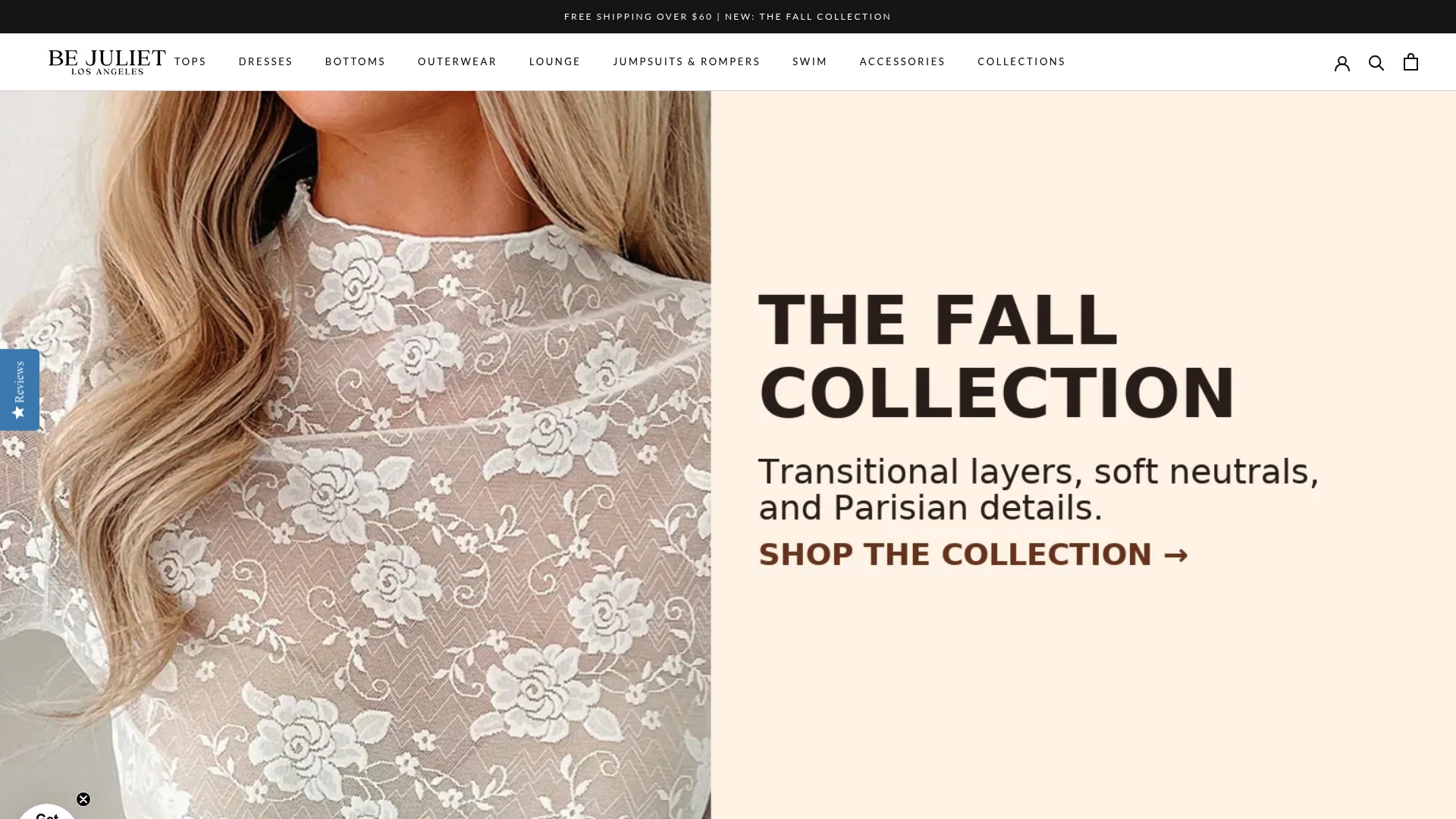
Explore our curated range of Sweaters & Sweatshirts for calm, comforting textures or channel empowerment with elegant shapes from our Corsets / Bustiers. New arrivals continue to inspire New In, inviting you to redefine your wardrobe with timeless pieces at https://bejuliet.com. Start your mood dressing journey today and dress intentionally to uplift your spirit and own your unique style.
Frequently Asked Questions
How does clothing affect my mood?
Clothing impacts mood by triggering specific emotional responses based on color, texture, and fit. For example, bold colors can increase confidence, while soft fabrics can promote calmness.
What is mood dressing and how can I practice it?
Mood dressing involves selecting outfits that align with your desired emotional state. You can practice it by choosing colors and textures that resonate with how you want to feel, using fashion as a tool for emotional regulation and self-care.
How can I create a confidence-boosting outfit?
To create a confidence-boosting outfit, choose perfectly fitted clothing that highlights your best features, reflects your personal style, and includes versatile pieces that you can mix and match for different occasions.
What role do colors play in shaping emotions?
Colors play a significant role in shaping emotions; warm colors like red and orange can evoke energy and excitement, while cool colors such as blue and green induce calmness and balance, impacting your overall mood.
Recommended
- Fashion and Mental Health: How Your Style Impacts Your Wellbeing – Be Juliet
- Wellness and Fashion – How Clothing Elevates Mood – Be Juliet
- Fashion and Emotion: How Clothing Shapes Mood – Be Juliet
- Creating Mood With Fashion: Intentional Style Choices – Be Juliet
- Understanding Self Care for Weight Loss: A Comprehensive Guide - LeanAndFit