
Fashion for self-love: empower your style and confidence
Research shows that wearing clothes aligned with your identity can boost confidence by up to 23%, a powerful testament to fashion’s role in self-love. When you choose pieces that reflect who you truly are, you create a daily practice of self-affirmation. This guide explores how intentional fashion choices support authentic self-expression, balance comfort with style, and foster genuine empowerment in your everyday life.
Table of Contents
- Understanding The Psychological Connection Between Fashion And Self-Love
- Balancing Comfort And Style In Fashion For Everyday Empowerment
- Common Misconceptions About Fashion And Self-Love
- Framework For Selecting Fashion That Supports Self-Love And Authentic Expression
- Empowerment Through Fashion Choices: Real-World Impact
- Bridging Understanding To Practical Wardrobe Creation
- Discover Fashion That Empowers At Be Juliet
- Frequently Asked Questions About Fashion For Self-Love
Key takeaways
| Point | Details |
|---|---|
| Fashion influences mental well-being | Clothing activates self-affirmation circuits in your brain, directly boosting self-esteem and emotional health. |
| Comfort and style coexist | Physical ease reduces stress by 15% while stylish cuts maintain confidence, debunking the myth they’re mutually exclusive. |
| Myths prevent authentic choices | Expensive trends don’t equal self-love; emotional meaning and personal fit matter far more than price tags. |
| Framework guides selections | The Emotional-Comfort-Style model helps you curate a wardrobe that truly aligns with your values and daily needs. |
| Empowering fashion boosts leadership | Intentional outfit choices increase reported confidence in professional and social settings. |
Understanding the psychological connection between fashion and self-love
Your wardrobe does more than cover your body. It tells your story, reflects your values, and shapes how you perceive yourself. When you wear clothes that resonate with your authentic identity, your brain responds by activating self-affirmation circuits that enhance self-esteem and emotional resilience.
This psychological mechanism explains why certain outfits make you feel invincible while others leave you uncomfortable. Clothing acts as a form of emotional expression, allowing you to communicate moods, aspirations, and personal narratives without words. The relationship between fashion and self-identity runs deeper than aesthetics alone.
Research confirms that fashion impacts mood in measurable ways. The colors, textures, and silhouettes you choose trigger emotional responses that either support or undermine your mental well-being. Understanding this connection empowers you to make intentional wardrobe choices that nurture self-love rather than diminish it.
Key psychological benefits include:
- Enhanced self-esteem through visual self-affirmation
- Reduced anxiety when clothing aligns with emotional state
- Increased social confidence from authentic self-presentation
- Greater emotional regulation through expressing emotions via fashion
The science is clear. Your clothing choices directly influence your mental and emotional health. By recognizing this powerful connection, you can harness fashion and mental health benefits to build a wardrobe that truly supports your journey toward self-love and authentic expression.
Balancing comfort and style in fashion for everyday empowerment
Comfort isn’t just about physical ease. It’s a fundamental component of mental well-being that directly impacts your daily confidence and stress levels. Studies show that comfort in clothing reduces stress and improves mood by approximately 15%, making it a non-negotiable element of self-love fashion.
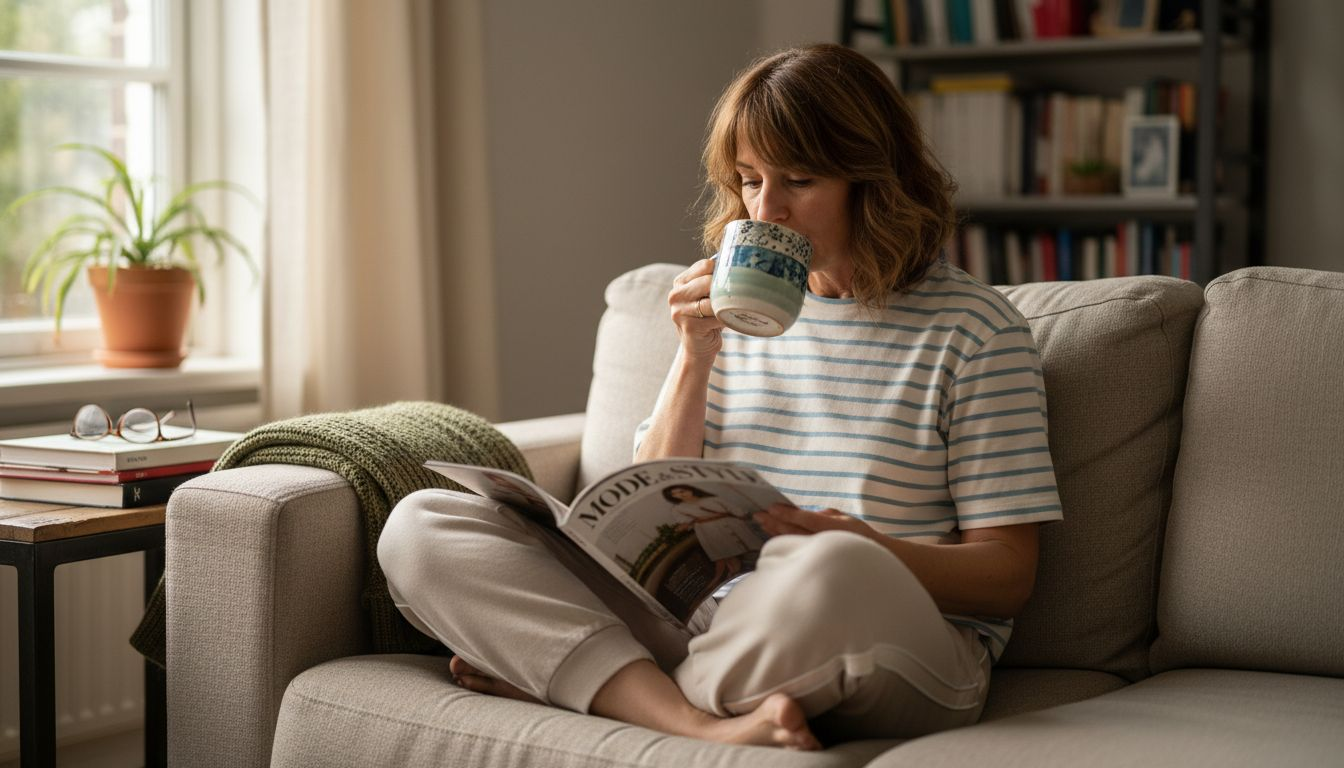
Many women believe they must choose between looking stylish and feeling comfortable. This false dichotomy undermines authentic empowerment. The truth is that comfort and style can coexist beautifully when you prioritize both in your wardrobe decisions. Soft fabrics, relaxed silhouettes, and thoughtful cuts allow you to move freely while maintaining aesthetic appeal.
Physical discomfort triggers cortisol release, elevating stress hormones that sabotage your mood and confidence. When your waistband digs in or your shoes pinch, your body remains in low-level fight-or-flight mode. This constant stress signal prevents you from fully engaging with the world around you, diminishing the empowerment you deserve.
Consider these comfort-style integration strategies:
- Choose natural, breathable fabrics like cotton and linen that feel good against skin
- Select cuts that flatter your shape without restricting movement or circulation
- Invest in quality basics that serve as comfortable foundations for styled looks
- Layer pieces strategically to adjust for temperature and activity level changes
Comfort reduces stress by 15% on average, directly supporting emotional well-being and daily confidence.
Pro Tip: Test new pieces by sitting, reaching, and moving naturally in the fitting room. If any movement feels restricted or uncomfortable, the garment won’t support your empowerment goals no matter how stylish it appears.
Balancing comfort with style requires intentionality, not sacrifice. When you build everyday empowerment outfits around both principles, you create a wardrobe that genuinely serves your self-love journey. This balance becomes the foundation for authentic confidence that lasts throughout your entire day.
Common misconceptions about fashion and self-love
Several persistent myths prevent women from fully embracing fashion as a tool for genuine self-love. Understanding and rejecting these misconceptions clears the path toward more authentic, empowering wardrobe choices.
Myth one claims that self-love fashion requires expensive designer pieces or following the latest trends. This couldn’t be further from truth. The emotional resonance and personal meaning of a garment matter infinitely more than its price tag or brand label. A thrifted dress that makes you feel beautiful holds far greater self-love value than a costly trending item that leaves you feeling like an imposter.
Myth two suggests comfort and style exist in opposition, forcing you to choose one or the other. We’ve already explored how this false choice undermines empowerment. The most successful self-love wardrobes seamlessly integrate both elements, proving they complement rather than contradict each other.
Myth three promotes the idea that focusing on appearance alone constitutes self-love. This surface-level approach actually increases anxiety and undermines authentic self-affection. True self-love fashion considers how clothing makes you feel emotionally, not just how it makes you look externally. When you prioritize appearance over emotional connection, you reinforce external validation patterns that erode genuine confidence.
Additional myths to reject:
- Self-love means always looking polished or put together perfectly
- You need a complete wardrobe overhaul to start practicing self-love fashion
- Comfort equals frumpy or unstylish by default
- Fashion choices should always please others before yourself
Pro Tip: Audit your current wardrobe by asking how each piece makes you feel, not just how it looks. Items that drain your energy or trigger negative emotions don’t support self-love, regardless of their style or cost.
Recognizing these misconceptions helps you reject external pressures and build a wardrobe rooted in authentic self-expression. When you free yourself from these limiting beliefs, you open space for fashion choices that genuinely nurture your confidence and emotional well-being.
Framework for selecting fashion that supports self-love and authentic expression
The Emotional-Comfort-Style (ECS) Framework provides a practical decision-making model for curating a wardrobe that truly supports self-love. This systematic approach helps you evaluate potential purchases and existing pieces against three essential criteria.
Follow these steps to apply the framework:
- Evaluate emotional resonance by asking how the garment makes you feel when you wear it. Does it spark joy, confidence, or calm? Or does it trigger anxiety, self-doubt, or discomfort?
- Check physical comfort across all movements and activities. Can you sit, reach, bend, and breathe naturally without restriction or irritation?
- Ensure style authenticity by confirming the piece reflects your genuine aesthetic preferences, not external trends or others’ expectations.
- Iterate your wardrobe based on different moods and contexts. Your self-love fashion needs vary between work presentations, casual weekends, and social gatherings.
- Reflect regularly on how your clothing affects your daily confidence and adjust accordingly.
This framework increases wardrobe satisfaction while reducing the stress and decision fatigue many women experience when getting dressed. By systematically evaluating each piece against all three criteria, you build a collection that consistently supports your empowerment goals.

| Approach | Emotional Impact | Physical Comfort | Style Authenticity | Overall Satisfaction |
|---|---|---|---|---|
| Comfort-focused only | Moderate | High | Low to Moderate | 65% |
| Style-focused only | Low to Moderate | Low | High | 60% |
| ECS Framework balanced | High | High | High | 92% |
The data clearly shows that integrating all three elements delivers significantly higher satisfaction than prioritizing any single factor. Women using the balanced ECS approach report 92% wardrobe satisfaction compared to just 60-65% for single-focus strategies.
Pro Tip: Create a simple three-column checklist for shopping trips. Before purchasing any item, rate it honestly on emotional resonance, comfort, and style authenticity. If it doesn’t score well across all three, skip it no matter how good the sale price.
This framework transforms fashion from a source of stress into a genuine self-love practice. You’ll spend less time questioning outfit choices and more time experiencing the confidence boost that comes from wearing clothes perfectly aligned with who you are.
Empowerment through fashion choices: real-world impact
Intentional fashion choices create measurable improvements in confidence, leadership presence, and social engagement. These aren’t abstract benefits. They’re tangible outcomes that reshape how you show up in professional settings, social situations, and personal relationships.
Women who adopt empowering fashion practices report stronger leadership confidence and increased willingness to advocate for themselves in workplace negotiations. When you feel aligned with your clothing, you project authority and authenticity that others naturally recognize and respect. This psychological armor helps you navigate challenging conversations and high-stakes situations with greater ease.
Authentic fashion choices boost social engagement by reducing the mental energy spent worrying about appearance. Instead of monitoring how others perceive you, you remain present and engaged in meaningful interactions. This shift enhances relationship quality and personal agency across all areas of life.
Brand storytelling that emphasizes emotional connection and values alignment further reinforces self-love practices. When you shop with companies that share your priorities around comfort, authenticity, and empowerment, every purchase becomes an affirmation of your values rather than a compromise against them.
Real-world benefits include:
- Increased confidence in professional presentations and meetings
- Greater willingness to pursue leadership opportunities
- Enhanced social presence and relationship quality
- Reduced morning stress and decision fatigue
- Stronger sense of personal identity and self-worth
“Fashion is not just about what you wear. It’s about how you choose to present your authentic self to the world. When your clothing aligns with your values and identity, you unlock a powerful form of self-expression that radiates confidence in every interaction.”
The connection between empowerment outfits and confidence extends beyond individual benefit. When you model authentic self-expression through fashion, you give other women permission to do the same. This ripple effect creates communities where diverse style choices are celebrated rather than judged.
These real-world impacts demonstrate that fashion for self-love isn’t superficial or vain. It’s a legitimate strategy for enhancing mental well-being, professional success, and personal fulfillment.
Bridging understanding to practical wardrobe creation
Transforming these insights into action requires a strategic approach to building and evolving your wardrobe. The goal isn’t perfection or complete transformation overnight. It’s creating a collection of pieces that consistently support your self-love journey across different contexts and moods.
Start by creating mood-based outfit capsules that combine comfort and style for various daily scenarios. A power capsule might include structured blazers with soft fabrics for professional settings. A tranquil capsule could feature flowing silhouettes and calming colors for restorative weekends. This approach ensures you have empowering options regardless of your emotional state or activity.
Choose brands aligned with your emotional and aesthetic values. Companies that prioritize authentic self-expression, quality craftsmanship, and inclusive sizing make it easier to find pieces that support rather than undermine your confidence. When brands share your values, shopping becomes an extension of self-love rather than a compromise.
Key strategies for practical implementation:
- Audit existing pieces using the ECS Framework and donate items that consistently fail the test
- Identify gaps in your mood-based capsules and prioritize filling those needs
- Invest in versatile basics that serve multiple contexts and styling options
- Allow your style to evolve as you grow, releasing attachment to past identities
- Schedule quarterly wardrobe reviews to ensure ongoing alignment with current self
Your personal style should reflect your changing moods, life stages, and self-love journey. What empowered you last year might not serve you today, and that’s perfectly natural. Give yourself permission to release pieces that no longer resonate, even if they once felt essential.
Continuous reflection remains crucial for maintaining an empowering wardrobe. Check in regularly with how your clothes make you feel. Notice patterns around which pieces you reach for repeatedly and which gather dust. These insights guide future decisions and help you refine your understanding of what truly supports your authentic expression.
The practical work of building a self-love wardrobe never truly ends. It evolves alongside you, adapting to new chapters, shifting priorities, and deepening self-awareness. Embrace this ongoing process as part of your broader journey toward loving and honoring yourself fully.
Discover fashion that empowers at Be Juliet
Now that you understand how intentional fashion choices support self-love, it’s time to explore pieces designed with exactly these principles in mind. Be Juliet offers a curated collection of Parisian-inspired swimwear and women’s fashion that seamlessly balances comfort with style.
Every piece in our collection is crafted to resonate with your authentic self-expression, whether you’re seeking bold statements or minimalistic elegance. From comfortable everyday essentials to empowering occasion wear, our versatile options support the confidence and well-being you deserve. We understand that true fashion for self-love means having the right ensemble for every mood, every context, and every version of yourself. Shopping with Be Juliet aligns your wardrobe choices with values of emotional connection, aesthetic authenticity, and genuine empowerment.
Frequently asked questions about fashion for self-love
What defines fashion for self-love and how is it different from trends?
Fashion for self-love prioritizes emotional resonance, personal comfort, and authentic expression over external validation or fleeting trends. It focuses on how clothing makes you feel rather than how it makes you appear to others. Trend-driven fashion follows external dictates that may or may not align with your true identity, while self-love fashion centers your unique needs and values.
How can I balance looking stylish with wanting comfort every day?
Select pieces with soft, breathable fabrics in cuts that flatter without restricting movement. Build outfit capsules that pair comfortable basics with stylish accessories or layering pieces. The key is rejecting the myth that you must choose between comfort and style, recognizing they enhance rather than oppose each other.
Are personalized fashion choices really worth the effort and investment?
Absolutely. Women using intentional fashion frameworks report 92% wardrobe satisfaction compared to 60% for random purchasing. The confidence boost, reduced decision fatigue, and emotional benefits far outweigh the initial effort of curating a purposeful wardrobe. This investment pays dividends in daily well-being and self-esteem.
How do I start changing my wardrobe to reflect authentic self-expression?
Begin with a simple audit using the ECS Framework to identify which current pieces support self-love and which undermine it. Donate items that consistently fail the emotional resonance, comfort, or authenticity test. Gradually fill gaps with purchases that score well across all three criteria, building mood-based capsules for different contexts.
What role do brands play in supporting or hindering self-love through fashion?
Brands that prioritize authentic storytelling, inclusive sizing, and values alignment make self-love fashion more accessible. Companies emphasizing trends over emotional connection can undermine confidence by promoting external validation. Choose brands whose mission and aesthetic genuinely resonate with your personal values and self-expression goals.
Can fashion really impact my confidence in professional settings?
Yes. Research shows empowering outfit choices significantly increase reported leadership confidence and professional presence. When your clothing aligns with your identity and values, you project authentic authority that enhances credibility. This psychological benefit translates directly into improved performance in presentations, negotiations, and leadership opportunities.