

Best Fabrics for Summer – Comfort, Coolness, and Style
Over 80 percent of American shoppers choose summer clothes based on looks alone, missing out on key comfort features. The right fabric makes a dramatic difference, especially when temperatures soar and sweat becomes an issue. Knowing which materials actually help you stay cool can transform your entire summer experience, offering surprising benefits that most people overlook.
Table of Contents
- Defining Summer Fabrics And Misconceptions
- Natural Versus Synthetic Fabrics Explained
- Key Qualities: Breathability, Weight, And Feel
- Popular Fabrics: Linen, Cotton, And Blends Compared
- Common Mistakes Choosing Summer Clothing
- Elevating Summer Style For Every Occasion
Key Takeaways
| Point | Details |
|---|---|
| Fabric Performance Matters | Summer fabrics should prioritize breathability and moisture-wicking properties over just aesthetics. |
| Synthetic Blends Outperform Naturals | Modern engineered fabrics often outperform traditional materials like cotton in terms of cooling and moisture management. |
| Test Before You Buy | Always touch and stretch fabrics before purchasing to assess their breathability and comfort. |
| Adaptability is Key | Invest in versatile pieces that can transition across different summer occasions while offering comfort and style. |
Defining Summer Fabrics and Misconceptions
Navigating the world of summer fabrics goes far beyond simply picking something that looks good. Fabric science reveals surprising insights about how different materials interact with temperature, moisture, and our body’s natural cooling mechanisms.
Contrary to popular belief, not all lightweight fabrics are created equal when it comes to staying cool. While many people assume cotton is the ultimate summer material, research from Georgia Tech’s textile experts suggests that synthetic blends and specialized performance fabrics can often outperform traditional natural fibers. The key is understanding fabric breathability and moisture-wicking properties.
Some common misconceptions about summer fabrics include believing that thinner always means cooler, or that natural automatically translates to comfort. In reality, fabric construction, weave density, and technological treatments play a massive role in how a material performs in hot weather. Polyester, often unfairly maligned, can actually be engineered to create incredibly lightweight and cooling garments when designed with modern performance technologies.
Pro Fabric Selection Tip: Always touch and test fabrics in person before purchasing summer clothing. A fabric’s true cooling potential isn’t just about weight - it’s about how effectively it moves moisture away from your skin and allows air circulation.
Natural Versus Synthetic Fabrics Explained
The debate between natural and synthetic fabrics is more nuanced than most people realize. Comparative research on textile materials reveals that each fabric type brings unique advantages and challenges to the table, especially when considering summer clothing performance.
Natural fabrics like cotton, linen, and bamboo have long been celebrated for their breathability and soft texture. However, detailed textile studies demonstrate that synthetic fibers like polyester and nylon often provide superior moisture-wicking capabilities and durability. Cotton might feel comfortable initially, but it tends to absorb and retain moisture, which can lead to discomfort during intense summer heat.
Synthetic fabrics have undergone significant technological advancements, challenging traditional perceptions about their comfort and performance. Modern polyester blends can be engineered with cooling technologies that actively manage body temperature and quickly dry sweat. These engineered fabrics often outperform natural fibers in athletic and performance wear, offering lightweight, quick-drying properties that make them ideal for active summer lifestyles.
Pro Summer Fabric Tip: Consider fabric blends that combine natural and synthetic fibers for the best of both worlds. A cotton-polyester blend can provide the softness of natural fabric with the performance benefits of synthetic materials.
Key Qualities: Breathability, Weight, and Feel
Cutting-edge fabric research from Georgia Tech reveals that summer clothing isn’t just about looking good - it’s about strategic material selection that keeps you cool and comfortable. The three critical qualities of breathability, weight, and feel work together to create the perfect summer wardrobe experience.
Breathability is perhaps the most crucial factor in summer fabric selection. Lightweight materials that allow air circulation can dramatically reduce body temperature and prevent uncomfortable sweating. Scientific studies on textile properties demonstrate that fabrics with open weaves and moisture-wicking capabilities perform significantly better in hot environments. Linen and certain engineered polyester blends excel in this category, offering superior air movement compared to dense, tightly woven materials.
Fabric weight and tactile feel are equally important considerations for summer clothing. Ultralight fabrics that feel soft against the skin can make a substantial difference in comfort during high-temperature days. Modern textile technologies have developed performance fabrics that combine minimal weight with maximum comfort, using advanced weaving techniques and innovative fiber blends that create a sensation of coolness and ease of movement.
Pro Summer Fabric Tip: When shopping for summer clothing, always do the ‘stretch and light test’ - hold the fabric up to a light source and gently stretch it. The more light you can see through the weave and the easier it stretches, the more breathable and comfortable the fabric will likely be.
Below is a quick reference on summer fabric qualities and what they mean for comfort:
| Quality | What It Means | Impact on Comfort |
|---|---|---|
| Breathability | Air passes through easily | Helps body stay cool |
| Weight | Lightness of fabric | Reduces heaviness, increases ease |
| Moisture Wicking | Draws sweat from skin | Keeps skin dry and fresh |
| Texture/Feel | Softness and smoothness | Reduces irritation, increases wearability |
Popular Fabrics: Linen, Cotton, and Blends Compared
Cutting-edge textile research from Georgia Tech reveals the nuanced performance differences between popular summer fabrics, challenging traditional assumptions about comfort and cooling properties.
Linen stands out as the quintessential summer fabric, renowned for its exceptional breathability and natural temperature-regulating capabilities. Unlike cotton, which tends to absorb and retain moisture, linen’s unique fiber structure allows rapid air circulation and quick drying. Scientific investigations into textile properties demonstrate that linen’s molecular composition enables superior moisture management, making it ideal for high-heat environments.
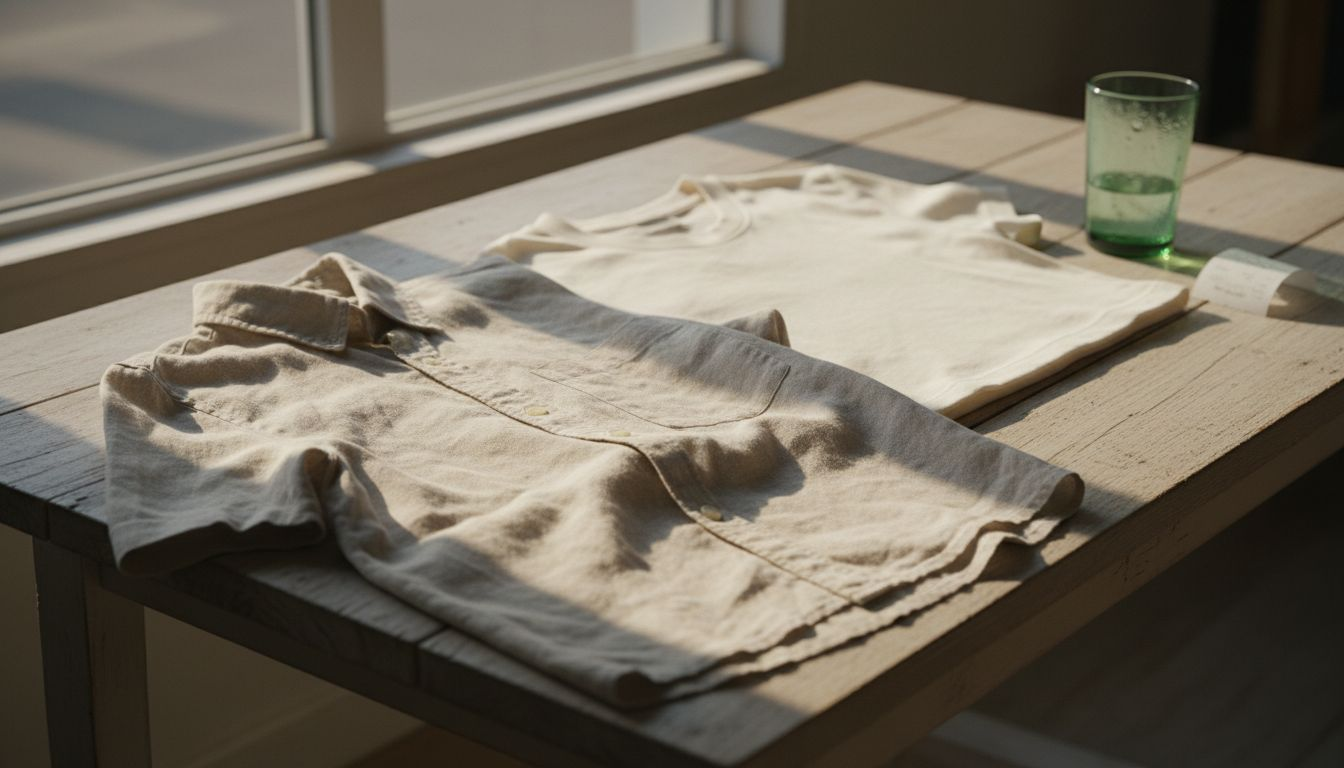
Cotton remains a popular choice, but modern fabric technology has revealed its limitations. While soft and comfortable, cotton becomes heavy and clingy when saturated with sweat, potentially increasing discomfort during intense summer activities. Performance blends that combine cotton with synthetic fibers like polyester offer a strategic compromise, providing the natural feel of cotton with enhanced moisture-wicking and faster drying capabilities.
Here’s a comparison of popular summer fabrics and their ideal usage scenarios:
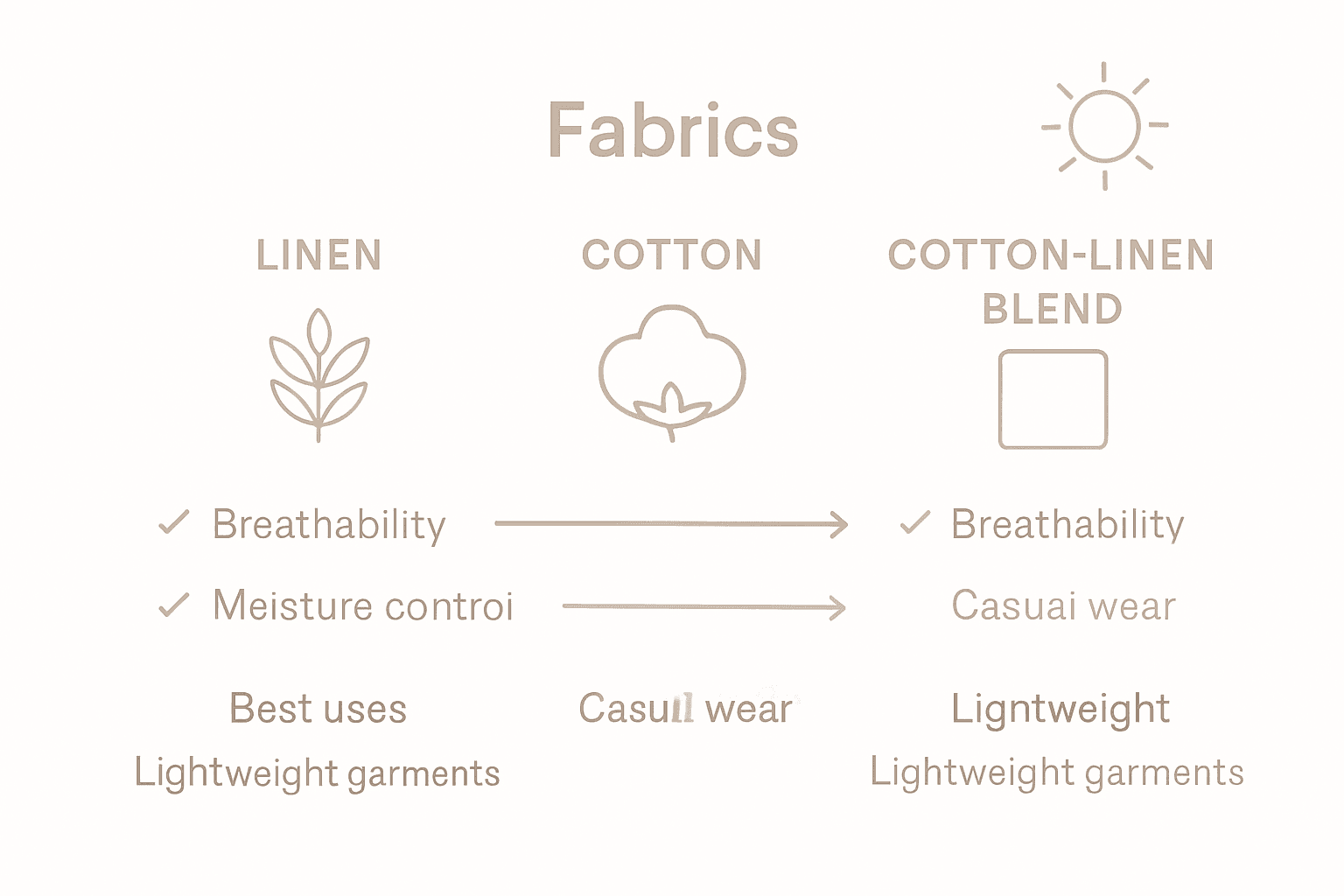
| Fabric Type | Cooling Ability | Moisture Control | Best For |
|---|---|---|---|
| Linen | Excellent ventilation | Rapid drying | Outdoor events, casual wear |
| Cotton | Moderate breathability | Absorbs and retains | Everyday wear, light activity |
| Polyester Blend | Engineered cooling | Superior wicking | Sportswear, high-activity outings |
| Bamboo | Natural cool feel | Good moisture control | Eco-friendly, sensitive skin |
Pro Summer Style Tip: When shopping for summer clothing, look for fabrics labeled with terms like ‘moisture-wicking’ or ‘performance blend’. These innovative materials combine the best qualities of natural and synthetic fibers, ensuring you stay cool, dry, and comfortable throughout the hottest days.
Common Mistakes Choosing Summer Clothing
Comprehensive fabric research from Georgia Tech reveals that most people make critical errors when selecting summer clothing, often prioritizing style over functional performance.
One of the most significant mistakes is selecting fabrics without considering moisture management. Scientific investigations into textile properties demonstrate that many consumers choose materials based on appearance rather than their ability to handle heat and perspiration. Dark-colored, dense fabrics might look chic, but they absorb more heat and trap moisture, creating uncomfortable and potentially unhygienic conditions during summer activities.
Another common pitfall is overlooking fabric construction and blend composition. Many people assume that thinner materials automatically mean cooler clothing, but fabric technology is far more complex. Synthetic blends with strategic moisture-wicking properties can actually provide better cooling effects than pure natural fibers. Performance fabrics engineered with specialized weaves and technological treatments can dramatically improve comfort, allowing better air circulation and faster sweat evaporation.
Pro Summer Wardrobe Tip: Always do a ‘touch and stretch’ test when buying summer clothing. Fabrics that feel light, allow light to pass through when stretched, and have a slightly textured surface are more likely to provide superior breathability and comfort.
Elevating Summer Style for Every Occasion
Strategic fabric selection research from Georgia Tech reveals that summer style isn’t just about looking good - it’s about curating versatile, performance-driven clothing that transitions seamlessly between different summer environments.
Every summer occasion demands a nuanced approach to fabric selection. Textile design studies demonstrate that contextual styling is key - what works for a beachside brunch might differ dramatically from an outdoor evening cocktail party. Lightweight linen suits urban daytime events, while moisture-wicking performance blends excel during active pursuits like hiking or beach sports.
The art of summer styling lies in understanding fabric versatility. Modern textiles offer unprecedented flexibility, with technical materials that can be dressed up or down effortlessly. A lightweight cotton-polyester blazer can transform from casual daywear to sophisticated evening attire, while breathable jersey knits provide comfort without compromising elegance. The key is selecting pieces that offer both aesthetic appeal and functional adaptability.
Pro Summer Styling Tip: Build a capsule wardrobe with multi-purpose, performance-driven pieces that can be layered and mixed. Invest in neutral-toned, high-quality fabrics that can transition between different summer scenarios with minimal effort.
Discover Your Perfect Summer Style That Feels as Good as It Looks
Choosing the best fabrics for summer can be challenging when breathability, moisture-wicking, and comfort all matter. If you have ever struggled to find clothing that keeps you cool without sacrificing style or felt frustrated when your favorite summer outfit just didn’t perform in the heat, you are not alone. The article highlights crucial qualities like breathability, fabric weight, and moisture control as keys to comfort — but how do you translate that into your wardrobe? At Be Juliet, we understand the pain points of balancing coolness and confidence in summer fashion. That is why we offer pieces designed with thoughtful fabric blends and adaptable styles, perfect for every summer occasion.
Explore our versatile Crop Tops that combine lightweight softness with breathability so you can stay fresh and stylish all day long. Dive into the season with pieces like The Camila Bikini crafted for excellent airflow and rapid drying after sun-soaked adventures. Don’t let summer heat hold you back from expressing your unique style or embracing comfort. Act now to redefine your summer wardrobe with clothing that honors both performance and elegance. Visit Be Juliet today and transform how you experience summer fashion.
Frequently Asked Questions
What are the best fabrics for summer wear?
Linen, cotton, and moisture-wicking synthetic blends are the top fabrics for summer. Linen is renowned for its breathability, while cotton offers comfort but can retain moisture. Performance fabrics like engineered polyester excel in wicking moisture away and keeping you cool.
How do I choose the right summer fabric for comfort and coolness?
Consider breathability, moisture-wicking ability, and the fabric’s weight. Fabrics that allow for air circulation and quickly draw sweat away from the skin are ideal for staying comfortable during hot weather.
Is cotton a good choice for summer clothing?
Cotton is often chosen for its softness and comfort, but it can absorb and retain moisture, making it less ideal for high-heat activities. A cotton-polyester blend may offer better moisture management and comfort.
How can I identify breathable fabrics when shopping for summer clothes?
Perform a ‘stretch and light test’ by holding the fabric up to a light source and gently stretching it. If you can see light through the weave and it stretches easily, it’s likely to be breathable and comfortable for hot weather.