
Sustainable Plus Size Clothing: Your 2026 Style Guide
TL;DR:
- Finding sustainable plus size clothing that fits well, looks chic, and withstands eco scrutiny is achievable with informed choices. Understanding certifications like GOTS and OEKO-TEX, prioritizing fit, and verifying transparency help shoppers build durable, eco-friendly wardrobes. A well-curated capsule wardrobe with versatile, properly fitting pieces reduces waste and enhances confidence, supporting true sustainability.
Finding sustainable plus size clothing that actually fits well, looks chic, and holds up to real eco scrutiny is not as rare as you might think. It just requires knowing what to look for. The market for plus size sustainable fashion has grown considerably, yet a lot of shoppers still walk away frustrated because misleading labels, limited size ranges, and vague “green” claims make the process exhausting. This guide cuts through that noise. You will learn exactly what certifications mean, why fit is a sustainability issue, and how to build a wardrobe that feels as good as it looks.
Key Takeaways
| Point | Details |
|---|---|
| Certifications answer different questions | GOTS covers the organic supply chain; OEKO-TEX covers chemical safety in finished garments. Use both together. |
| Fit is a sustainability tool | Clothes that fit well get worn more, last longer, and reduce waste. Prioritize fit as much as fabric. |
| Verify before you trust | Check brand transparency, GOTS scope certificates, and pairing of multiple eco labels before buying. |
| Build a capsule mindset | A small wardrobe of versatile, well-made pieces outlasts and outperforms a closet full of trend pieces. |
| Durability beats organic alone | A garment lasting 15 years has less environmental impact than an organic one replaced every five. |
Sustainable plus size clothing: reading eco certifications correctly
This is where most shoppers get tripped up. What is sustainable fashion, really? At its core, it means clothing produced with minimal harm to people, planet, and animals across the entire supply chain. But a single label on a hang tag does not guarantee that. Different certifications cover different parts of the process, and knowing the difference protects you from greenwashing.
GOTS vs. OEKO-TEX: what each one actually covers
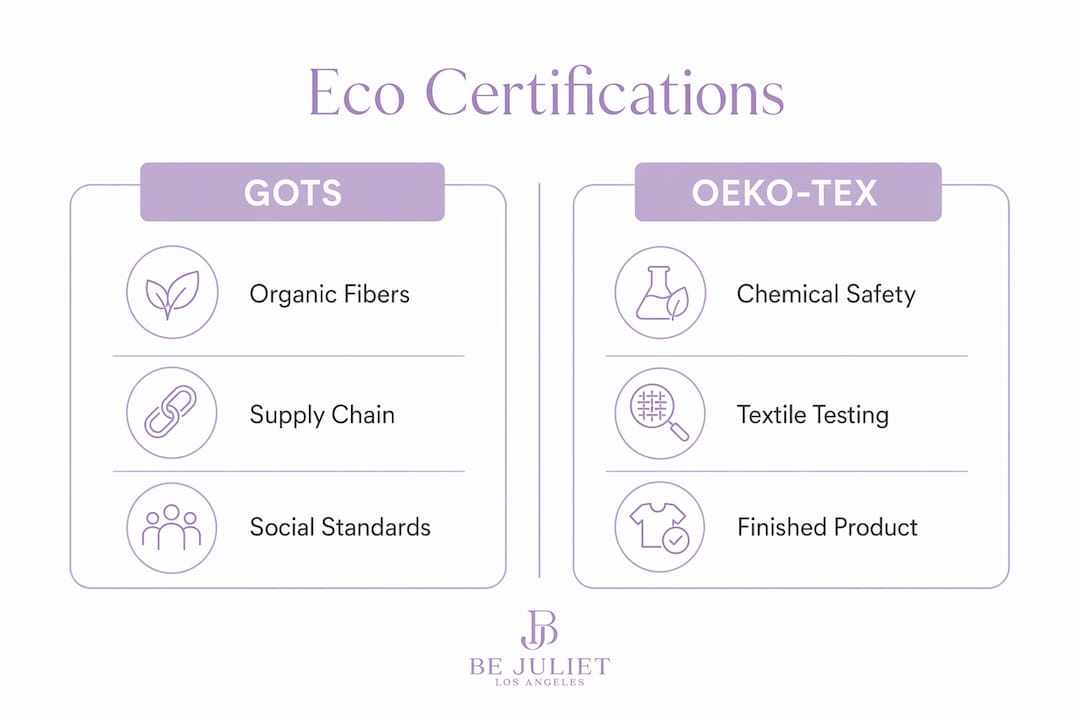
GOTS certification covers the entire supply chain from fiber origin to finished fabric, including social standards for workers. It requires at least 70% certified organic fiber for a basic-grade label and 95% for an organic-grade label. It audits dyeing, finishing, labeling, and labor conditions. That is a lot of ground.
OEKO-TEX Standard 100, on the other hand, certifies chemical safety in the finished textile. It checks for harmful substances like heavy metals, pesticides, and formaldehyde, but it does not assess farming practices or upstream sustainability. A conventionally grown cotton shirt with chemical-free finishing can earn OEKO-TEX certification.
| Certification | What it covers | What it does not cover |
|---|---|---|
| GOTS | Organic fibers, supply chain, social standards, dyeing | Finished product chemical residue testing |
| OEKO-TEX Standard 100 | Harmful substances in finished garment | Fiber origin, farming, labor practices |
| GRS (Global Recycled Standard) | Recycled content verification for synthetics | Chemical safety, social standards |
Pairing GOTS and OEKO-TEX gives you far stronger assurance because the two labels address different concerns authentically. And if a brand uses recycled synthetics, look for GRS alongside OEKO-TEX to cover both recycled content and chemical safety.
One more thing: always verify the GOTS scope certificate. The scope certificate tells you which specific company and production stages are certified. Some factories hold certification only for spinning or dyeing, not garment assembly. Checking this detail takes two minutes and saves you from trusting a misleading claim. You can search the GOTS public database by brand or supplier name.
Also worth noting: GOTS Version 8.0 introduces circularity requirements, microfibre management, stricter air emissions standards, and mandatory OECD-aligned due diligence, effective March 2027. Brands adopting these updates early are already a step ahead.
Pro Tip: When shopping for eco-friendly plus size fashion online, search the GOTS public database at global-standard.org to verify a brand’s certificate before buying. Takes under two minutes and confirms whether the certification is real and current.
Why fit is actually a sustainability issue
Here is something the sustainability conversation rarely addresses directly: an ill-fitting garment is an environmental liability. Proper fit dramatically extends how often and how long you wear a piece. Clothes that sit in your closet unworn because they gap, pull, or feel uncomfortable get donated or discarded far too soon.
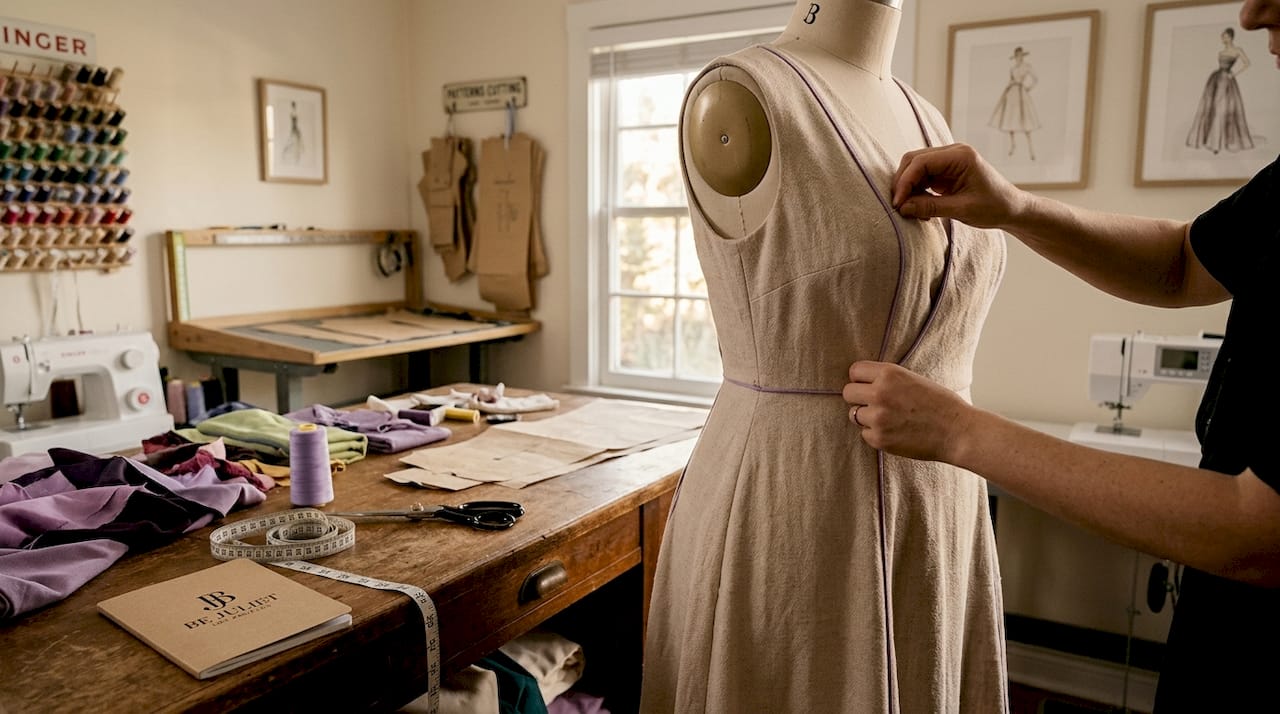
For plus-size shoppers, this challenge is real. Many brands that claim sustainability still cut plus sizes as afterthoughts, simply grading up straight-size patterns without adjusting for curves. The result? A beautifully certified organic fabric that you never actually wear. That is not sustainable at all.
Here is how to assess fit before committing:
- Check if the brand offers detailed size charts with actual measurements, not just S/M/L/XL designations.
- Look for brands that consult with plus-size fit models during the design process (many now mention this in their brand story).
- Read reviews specifically from customers with a similar body shape to yours.
- Prioritize stretch fabrics or adjustable features like tie waists and elastic panels for pieces you plan to wear frequently.
- Consider tailoring. A single alteration on a well-made garment adds maybe $20 to the cost and extends wear by years.
Correctly sized clothing also significantly boosts your confidence, which means you reach for those pieces more often. And clothes worn often, by definition, replace more purchases. That is green fashion for curvy women that actually works in practice.
You can find specific plus size fit guidance to help you shop smarter across different silhouettes and styles.
Pro Tip: Before buying any sustainable piece online, measure your bust, waist, hips, and thigh at the widest points. Compare these directly to the brand’s size chart, not just the suggested size. This single habit reduces returns and extends garment life.
What to look for in a sustainable plus size brand
Not every brand that uses the word “sustainable” is telling you the full story. Here is a practical checklist of what actually separates trustworthy plus size sustainable apparel from marketing noise:
- Transparent sourcing. The brand names its fabric suppliers, dye houses, or manufacturers. Vague language like “responsibly made” without specifics is a red flag.
- Fair labor practices. Look for mentions of fair wages, safe working conditions, and third-party audits. GOTS certification covers this, but some brands also carry SA8000 or Fair Trade certifications.
- Organic or recycled fibers. Plus size organic fabrics like GOTS-certified cotton, Tencel, or recycled polyester verified by GRS are strong signals of real commitment.
- Ethical dyeing. Low-impact or OEKO-TEX certified dyeing processes protect both the environment and the people wearing the clothes.
- True size inclusivity. A brand committed to plus-size shoppers invests in plus-specific design, not just extended sizes from a straight-size base pattern.
- Durability over novelty. A garment lasting 15 years under regular use has less environmental impact than an organic textile replaced every five years. Ask yourself: does this brand make things built to last?
- Style diversity. Eco-friendly plus size fashion should not mean shapeless or boring. Look for brands offering everything from bold prints to minimalist basics in your size range.
Bejuliet’s ethically made clothing resource offers a helpful breakdown of how to verify sustainability claims across the full product chain.
Building your sustainable plus size capsule wardrobe
A capsule wardrobe for plus-size sustainable fashion is not about having the fewest clothes possible. It is about having the right clothes. Think of it as curating a collection where every piece earns its place. Mixing, matching, and layering smartly gives you far more outfits than a closet twice the size.
Building a versatile capsule means starting with three to five neutral basics: a well-fitted pair of pants in a durable fabric, a stretchy knit top or turtleneck, a wrap dress that works across seasons, a flowy midi skirt, and a cozy but polished sweater. These pieces carry you from casual to dressed up with accessories and layering.
A few practical notes:
- Choose natural fibers like organic cotton, linen, and Tencel for warm months. They breathe better, last longer, and compost at end of life.
- For cooler weather, look for recycled wool blends or organic knits. Layering is truly your best BFF when it comes to getting more wear from fewer pieces.
- Care for your garments properly. Cold washing, air drying, and storing pieces folded rather than crammed together can double a garment’s lifespan.
- When shopping affordable sustainable clothing, focus on cost-per-wear rather than sticker price. A $90 sustainable dress worn 80 times costs less per wear than a $20 fast-fashion piece worn five times.
You can explore affordable sustainable options that do not require a major budget overhaul to get started.
My honest take on this space
I have spent a long time watching the plus-size sustainable fashion space, and I want to be real with you. The progress is real, but so is the greenwashing. I have seen shoppers get burned by brands that carry one OEKO-TEX hang tag on a garment made with zero transparency elsewhere. That single label gave false confidence.
What I have found actually works is this: shop the story, not just the tag. Brands genuinely committed to eco-friendly plus size fashion will talk openly about their supply chain, their fit process, and their failures. The ones hiding behind vague language almost always have something to hide.
The unexpected joy I keep seeing? When someone finds a brand that truly fits their body and their values, their relationship with shopping changes completely. Less impulse buying. More wear per piece. A wardrobe that feels intentional rather than accidental. That mindset shift is the real win here.
Fashion should feel like freedom. Wear what tells your story.
— Jason
Shop Bejuliet’s sustainable collections
Bejuliet was built on the belief that great clothing should feel as good as it looks. Whether you are drawn to bold prints or minimalist basics, the collections are designed with real curves, real fit, and real quality in mind. Explore the full clothing collection for pieces that combine style and thoughtful construction. The sweaters collection is a great starting point for building that sustainable capsule wardrobe, with cozy, lasting options in plus sizes. And the pants collection brings curve-friendly fits to sustainably minded fabrics. Shop what resonates, wear it often, and wear it proudly.
FAQ
What does sustainable plus size clothing actually mean?
Sustainable plus size clothing refers to garments in extended sizes made with eco-friendly materials, ethical labor practices, and transparent supply chains. It combines size inclusivity with verified sustainability standards like GOTS or OEKO-TEX.
Is GOTS or OEKO-TEX more important for eco fashion?
Neither is more important on its own. GOTS covers the organic supply chain while OEKO-TEX covers chemical safety in the finished garment. Pairing both gives you stronger, more comprehensive assurance.
Can I find affordable sustainable clothing in plus sizes?
Yes. Focus on cost-per-wear rather than price tags. Well-made sustainable pieces in plus sizes often cost more upfront but last significantly longer, making them more affordable over time than fast-fashion alternatives.
How do I verify a brand’s sustainability claims?
Check the GOTS public database to confirm certification scope, look for multiple certifications rather than one, and read the brand’s sourcing page. Brands with nothing to hide will name suppliers and share audit results.
Why does fit matter for sustainability?
Ill-fitting clothes often go unworn and get discarded early, creating unnecessary waste. Clothing that fits well gets worn frequently and lasts longer, making it one of the most practical sustainability choices you can make.