
Importance of Fabric Quality in Modern Fashion
Finding a fabric that truly elevates your style often feels more complicated than selecting your next signature outfit. For bold, fashion-conscious women in cities across the United States, the search for premium quality is about much more than labels or price tags. Navigating past common misbeliefs, this guide clarifies how fabric quality, not just brand or cost, determines comfort, durability, and how confidently you express yourself with every wear.
Table of Contents
- Defining Fabric Quality And Common Misbeliefs
- Premium Fabrics Versus Lower-Grade Options
- How Fabric Quality Shapes Comfort And Fit
- Aging, Sustainability, And Cost-Per-Wear
- Practical Tips For Spotting Quality Materials
Key Takeaways
| Point | Details |
|---|---|
| Fabric Quality Assessment | True fabric quality is determined by material characteristics like fiber composition and weave structure, not just price or brand. |
| Premium vs. Lower-Grade Fabrics | Premium fabrics offer superior durability, comfort, and sustainability compared to lower-grade options that often rely on synthetic blends. |
| Impact on Comfort and Fit | High-quality fabrics improve comfort and responsiveness, whereas lower-quality materials tend to restrict movement and lead to discomfort. |
| Understanding Cost-Per-Wear | Investing in quality garments can save money in the long run due to reduced need for replacement and lower environmental impact. |
Defining Fabric Quality and Common Misbeliefs
Understanding fabric quality goes far beyond surface-level aesthetics. At its core, fabric quality represents a complex interplay of material characteristics that determine how clothing performs, feels, and endures over time. Fabric assessment involves multiple intrinsic attributes that reveal much more than what meets the eye.
Traditionally, consumers mistakenly equate fabric quality with price or brand reputation. However, true quality stems from fundamental material properties like fiber composition, weave structure, and manufacturing precision. These technical elements determine a fabric’s durability, comfort, and aesthetic longevity far more reliably than marketing claims.
Key characteristics that define high-quality fabrics include:
- Consistent fiber density
- Uniform weave structure
- Resistance to deformation
- Appropriate weight for intended use
- Minimal surface imperfections
- Resilient color retention
Most people don’t realize that fabric defects can significantly impact clothing performance. Manufacturing defects dramatically influence textile quality, creating variations that affect everything from how a garment drapes to its long-term wearability.
Common misbeliefs about fabric quality often revolve around superficial judgments. Consumers might assume expensive fabrics are automatically superior or that all natural fibers are perfect. In reality, fabric quality requires nuanced understanding of material science, manufacturing processes, and specific performance requirements.
Pro tip: Always examine fabric samples by feeling the texture, checking weave tightness, and observing how the material responds to gentle stretching before making a purchase.
Premium Fabrics Versus Lower-Grade Options
Understanding the distinction between premium and lower-grade fabrics requires more than just a cursory glance. Premium fabric characteristics extend beyond surface impressions, involving complex considerations of fiber composition, manufacturing precision, and long-term performance.
Premium fabrics are distinguished by several key attributes that set them apart from their lower-grade counterparts:
- Superior fiber selection
- Higher thread count
- Tighter, more consistent weave structure
- Advanced finishing techniques
- Enhanced durability and comfort
- Reduced environmental impact
The textile industry recognizes that premium fibers go far beyond mere marketing claims. Preferred textile materials embody principles of sustainability and performance, focusing on long-staple natural fibers like fine wool and high-quality cotton. In contrast, lower-grade options often rely on synthetic blends with inferior characteristics that compromise both aesthetic and functional qualities.
Consumers frequently misunderstand fabric quality, mistaking thread count or price as the sole indicators of excellence. However, true premium fabrics demonstrate remarkable characteristics such as breathability, resilience, color retention, and minimal environmental footprint. Lower-grade fabrics typically show rapid wear, color fading, and decreased comfort with repeated use.
Here’s a quick comparison of premium vs. lower-grade fabrics across essential criteria:
| Criteria | Premium Fabrics | Lower-Grade Fabrics |
|---|---|---|
| Durability | Withstands years of regular use | Wears out quickly |
| Environmental Impact | Uses more sustainable materials | Relies on synthetics |
| Comfort Level | Maintains breathability and feel | Less breathable, less soft |
| Appearance Over Time | Maintains color and shape | Fades and loses structure |
Pro tip: Always inspect fabric samples by examining fiber density, checking weave tightness, and feeling the texture to distinguish between premium and lower-grade options.
How Fabric Quality Shapes Comfort and Fit
Fabric quality fundamentally transforms how clothing feels and performs, extending far beyond simple aesthetic considerations. The intricate relationship between fabric composition and bodily comfort represents a sophisticated interplay of scientific and design principles that directly impact a wearer’s physical experience.
Key factors that determine fabric comfort include:
- Thermal regulation capabilities
- Moisture management efficiency
- Breathability of material
- Flexibility and stretch potential
- Skin contact sensitivity
- Weight and drape characteristics
Physiological comfort is more than just a subjective sensation. Sportswear fabric properties dramatically influence body response, affecting everything from temperature maintenance to emotional well-being during physical activities. Different fabric structures create unique interactions with skin, managing heat transfer, sweat absorption, and overall sensory experience.
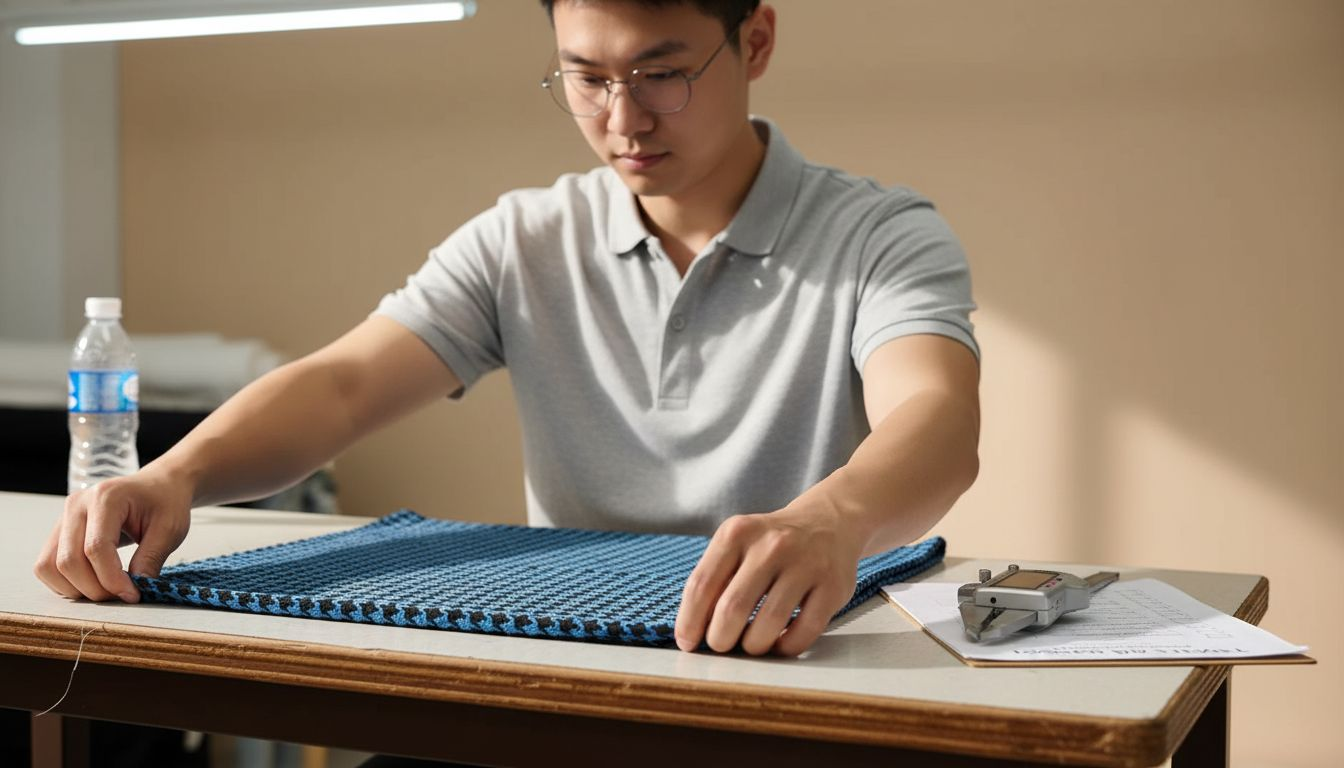
Consumers often underestimate how deeply fabric quality impacts wearing experience. High-performance fabrics actively respond to body dynamics, creating microenvironments that adapt to movement, temperature fluctuations, and individual physiological needs. Lower-quality materials, by contrast, remain static and unresponsive, leading to discomfort, restricted movement, and reduced overall garment satisfaction.
Pro tip: When shopping, always perform a simple stretch and breathability test by gently pulling the fabric and feeling its responsiveness against your skin.
Aging, Sustainability, and Cost-Per-Wear
Clothing longevity represents a critical intersection between personal economics and environmental responsibility, transforming how we understand fashion consumption. The concept of cost-per-wear goes beyond simple price calculations, revealing the true economic and ecological value of high-quality garments.
Key factors demonstrating fabric aging and sustainability include:
- Durability of material fibers
- Resistance to wear and tear
- Color and shape retention
- Ability to withstand multiple wash cycles
- Potential for repair and modification
- Reduced environmental waste
The circular fashion economy emphasizes creating garments that gracefully age while minimizing material throughput. High-quality fabrics that maintain structural integrity and aesthetic appeal over time represent a profound shift from disposable fashion toward more sustainable wardrobe practices. This approach not only reduces individual consumer waste but also challenges traditional fast-fashion production models.
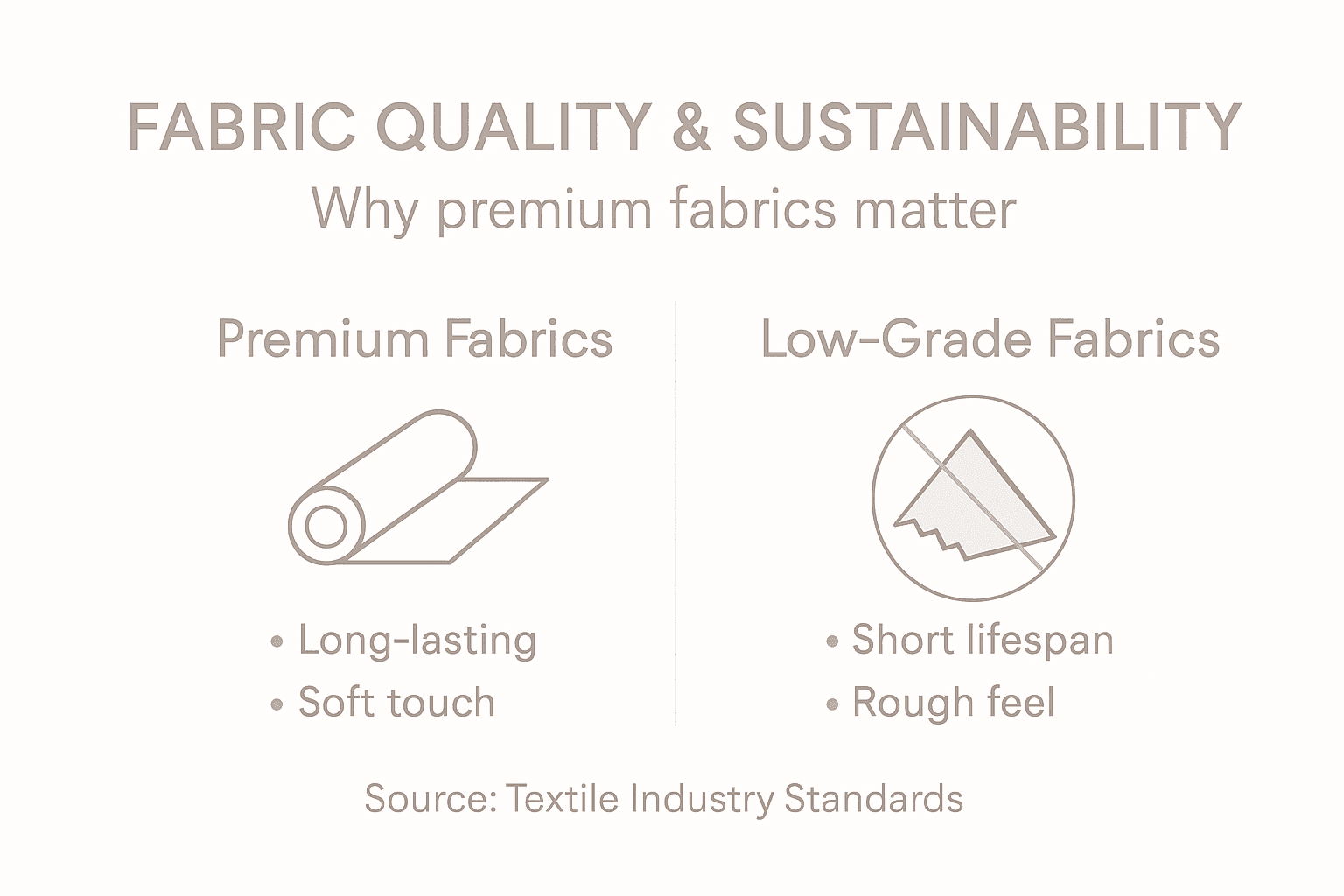
Understanding cost-per-wear requires consumers to think beyond initial price tags. A $200 jacket that lasts five years and can be worn weekly becomes significantly more economical than a $50 piece requiring replacement every six months. Such calculations reveal that investing in superior fabric quality ultimately saves money while supporting more responsible consumption patterns.
Pro tip: Calculate a garment’s true value by dividing its total cost by the number of times you realistically expect to wear it, prioritizing quality over short-term savings.
Use this table to recognize how fabric quality affects both wearability and long-term value:
| Aspect | Impact of High Quality | Impact of Low Quality |
|---|---|---|
| Comfort | Adapts to body, feels soft | Restricts movement, irritates skin |
| Maintenance | Holds up after many washes | Shows signs of wear quickly |
| Cost-Effectiveness | Lower cost-per-wear over time | Needs frequent replacement |
| Sustainability | Reduces landfill waste | Contributes to fast fashion |
Practical Tips for Spotting Quality Materials
Identifying quality fabric requires a nuanced understanding of textile characteristics, going far beyond superficial visual assessments. Discerning consumers learn to decode subtle indicators that reveal a fabric’s true potential, transforming shopping from a passive experience into an informed decision-making process.
Practical methods for evaluating fabric quality include:
- Checking fiber content and composition
- Examining weave tightness and consistency
- Assessing color uniformity and depth
- Testing fabric weight and drape
- Inspecting selvage and edge finishing
- Evaluating surface texture and smoothness
Textile evaluation involves multiple sophisticated techniques. Advanced fabric quality assessment combines visual inspection with physical testing, requiring consumers to engage multiple sensory and analytical skills. Professional and experienced shoppers develop an almost intuitive sense of distinguishing high-quality materials through repeated exposure and intentional examination.
While technical knowledge helps, fabric quality assessment also involves understanding how materials perform under real-world conditions. A seemingly perfect fabric in-store might reveal structural weaknesses after repeated wearing and washing. Considering factors like fiber strength, resilience, and potential for maintaining shape becomes crucial in making intelligent purchasing decisions that balance aesthetic appeal with long-term functionality.
Pro tip: Always perform a simple stretch test by gently pulling fabric diagonally to assess its recovery, strength, and potential for maintaining shape over time.
Elevate Your Wardrobe with Thoughtful Fabric Quality
The article highlights how true fabric quality goes beyond price tags and marketing claims to affect your comfort, durability, and long-term satisfaction. You deserve clothing that not only expresses your unique style but also embraces the essence of love and lasting quality. At Be Juliet, we understand the importance of premium fabrics and meticulous craftsmanship that resonate with your authentic self-expression and daily comfort.
Experience the perfect balance of comfort, resilience, and timeless elegance with our carefully curated collections. Each garment is crafted to echo the spirit of love and empowerment discussed in the article. Explore pieces that feel as good as they look and stand the test of time by visiting Be Juliet.
Why settle for anything less when you can embrace modern femininity in clothing that honors durability and style? Visit Be Juliet now to discover how fabric quality transforms fashion into an experience that uplifts your mood and confidence every day.
Frequently Asked Questions
What defines high-quality fabric?
High-quality fabric is characterized by consistent fiber density, uniform weave structure, resistance to deformation, appropriate weight for its intended use, minimal surface imperfections, and resilient color retention.
How does fabric quality impact comfort and fit?
Fabric quality greatly influences how clothing feels and performs. Key factors include thermal regulation, moisture management, breathability, flexibility, and skin sensitivity. High-quality fabrics adapt to body dynamics, enhancing overall comfort.
What is the importance of sustainability in fabric choice?
Choosing sustainable fabrics contributes to reduced environmental impact. High-quality materials typically last longer, minimizing waste and promoting responsible consumption compared to lower-grade options, which often contribute to fast fashion.
How can I spot quality fabrics when shopping?
Look for indicators like fiber content, weave tightness, color uniformity, fabric weight, and surface texture. Performing stretch tests and examining edge finishes can also help in assessing a fabric’s quality.
Recommended
- How to Choose Fabrics for Timeless, Joyful Style – Be Juliet
- Why Fashion Matters – Self-Expression, Identity, and Power – Be Juliet
- Understanding Current Fashion Trends 2025: A Deep Dive – Be Juliet
- What is Sustainable Fashion? Understanding Its Impact – Be Juliet
- What Is Seasonal Sports Gear and Why It Matters – More Sports