
How to Thrift Like a Pro for Chic Secondhand Style
Sorting through endless racks in a busy thrift store can feel overwhelming, but a strategic approach makes finding unique pieces both satisfying and sustainable. For American women craving individuality in their closet, building a capsule wardrobe from secondhand finds not only reduces environmental impact but also amplifies personal style and confidence. Discover how a capsule mindset and curated color palette can guide you to select effortlessly mixable treasures that stand out in the city while supporting eco-conscious choices.
Table of Contents
- Step 1: Prepare With A Capsule Mindset And Color Palette
- Step 2: Scan Racks Efficiently For Hidden Gems
- Step 3: Examine Fabric Quality And Seams Up Close
- Step 4: Explore Unexpected Sections For Unique Finds
- Step 5: Assess Tailoring Potential And Personalize Pieces
- Step 6: Style Thrifted Treasures With Modern Staples
Quick Summary
| Essential Insight | Explanation |
|---|---|
| 1. Build a cohesive color palette | Define 3-5 core colors that reflect your style and enhance versatility for easy mixing. |
| 2. Efficiently scan thrift racks | Develop a systematic approach to quickly assess fabric quality and design details to find hidden gems. |
| 3. Inspect fabric quality closely | Check stitches, materials, and garment construction to ensure you are choosing high-quality items. |
| 4. Explore unconventional sections | Look in unexpected areas like men’s and children’s sections for unique styles and textiles. |
| 5. Tailor items for a perfect fit | Consider alterations for thrifted pieces, allowing you to create a custom wardrobe that suits your style. |
Step 1: Prepare with a Capsule Mindset and Color Palette
Creating a thrifted wardrobe starts with intentional preparation - think quality over quantity. Your capsule collection should reflect your personal style while offering maximum versatility. Minimalist capsule strategies help transform secondhand shopping from random treasure hunting into strategic style curation.
Building your capsule requires defining a cohesive color palette that makes mixing and matching effortless. Start by identifying 3-5 core colors that complement your skin tone and personal aesthetic. These colors become your foundational shopping framework:
- Neutral base colors (black, white, gray, navy)
- 1-2 accent colors that spark joy
- Metallics or earth tones for depth
When thrifting, discipline is your best friend. Always ask: ‘Will this piece work seamlessly with at least 3 existing items in my wardrobe?’ By maintaining a strict editing process, you prevent impulse purchases and build a streamlined collection that truly represents your style.
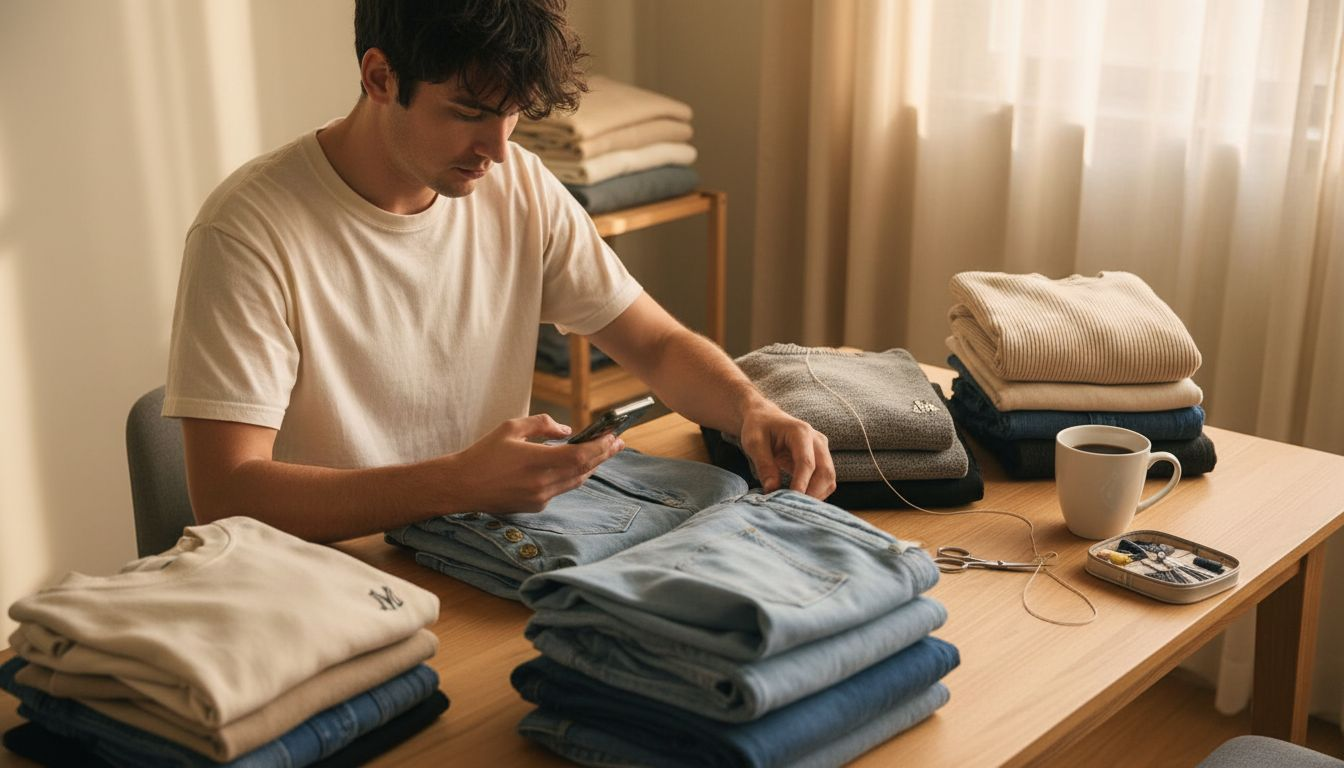
Here’s a summary of color palette strategies for building a capsule wardrobe:
| Palette Approach | Versatility | Personality Impact | Ease of Thrifting |
|---|---|---|---|
| Neutral Core | Highly mixable | Subtle, classic | Simplifies matching items |
| Accent Colors | Moderate flexibility | Adds individuality | Helps filter unique finds |
| Earth Tones & Metallics | Enhances depth | Elevated sophistication | Expands texture options |
A curated wardrobe isn’t about having more clothes - it’s about having the right clothes.
Pro tip: Take a photo of your color palette on your phone to reference while thrifting, ensuring every piece aligns with your vision.
Step 2: Scan Racks Efficiently for Hidden Gems
Mastering the art of thrifting requires strategic rack scanning to uncover those rare, remarkable pieces. Thrift store scanning techniques transform your shopping from overwhelming to targeted and efficient.
Develop a quick visual assessment method that lets you move swiftly through racks without missing potential treasures. Your scanning strategy should focus on:
- Fabric quality and texture
- Unique patterns or design details
- Brand labels in premium sections
- Structural integrity of garments
- Potential for tailoring or creative styling
Move systematically through racks by touching fabrics selectively and training your eye to spot exceptional pieces. Look for high-quality natural materials like wool, linen, and silk. Premium brands often hide in unexpected sections - don’t limit yourself to obvious areas.
Speed and precision are your greatest allies when hunting secondhand fashion gems.
Always shop during less crowded times when you can move freely and examine pieces carefully. Weekday mornings or early afternoons typically offer the most relaxed browsing environments.
Pro tip: Wear form-fitting clothes and slip-on shoes to make trying on potential finds quick and effortless.
Step 3: Examine Fabric Quality and Seams Up Close
Transforming thrifted finds into stunning wardrobe pieces starts with a meticulous examination of fabric and construction. Identifying high-quality clothing details is an art form that separates true fashion hunters from casual shoppers.
When evaluating potential pieces, focus on these critical quality indicators:
- Fabric weight and drape
- Stitching consistency and thread strength
- Presence of natural fibers
- Condition of buttons and closures
- Overall structural integrity
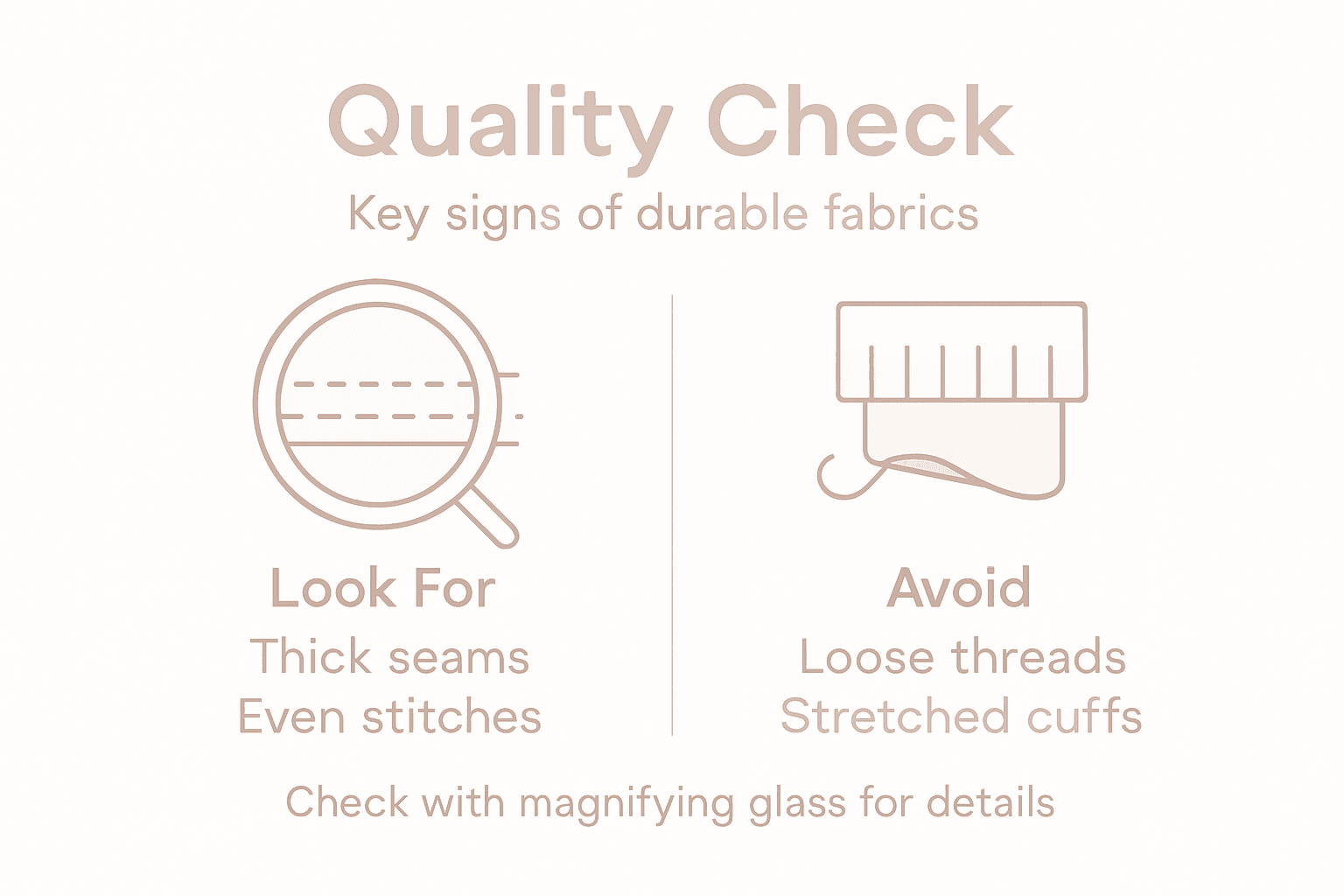
Inspect seams carefully by turning garments inside out. Look for clean, even stitching without loose threads or unraveling. Quality pieces typically feature:
- Straight, tight stitches
- Reinforced stress points
- Minimal visible thread ends
- Smooth fabric without puckering
Pay special attention to natural fibers like wool, silk, and high-quality cotton. These materials not only look more luxurious but also tend to wear better over time.
True style is in the details - and those details start with exceptional craftsmanship.
Pro tip: Carry a small magnifying glass or use your smartphone’s macro lens to examine intricate fabric and seam details up close.
Step 4: Explore Unexpected Sections for Unique Finds
Unlocking the most extraordinary thrifting discoveries requires a spirit of adventurous exploration beyond conventional shopping approaches. Thrifting strategies for unique treasures reveal that the most remarkable pieces often hide in unexpected places.
Expand your hunting grounds by considering these unconventional sections:
- Men’s blazer racks for oversized vintage jackets
- Children’s sections for quirky accessories
- Formal wear for statement pieces
- Home goods for unexpected textiles
- Plus-size sections for unique silhouettes
Develop a flexible mindset about sizing and categories. A men’s large might become the perfect relaxed-fit vintage find when styled creatively. Approach each section with an open mind and quick assessment skills.
True style knows no boundaries - including section labels.
Remember that tailoring can transform almost any piece. A slightly oversized item can become a perfect custom fit with minimal alterations, expanding your potential finds exponentially.
Pro tip: Carry a flexible measuring tape to quickly check garment dimensions and potential fit across different sections and sizes.
Step 5: Assess Tailoring Potential and Personalize Pieces
The magic of thrifting lies in transforming good finds into perfect personal statements. Tailoring techniques for thrifted fashion reveal that minor adjustments can completely reinvent a secondhand piece.
When assessing tailoring potential, consider these strategic modifications:
- Hemming pants or skirts for precise length
- Taking in waists and shoulders for better fit
- Replacing dated buttons with unique alternatives
- Removing shoulder pads from vintage jackets
- Tapering wide-leg pants to modern silhouettes
Buy items slightly larger as it’s easier to take garments in than let them out. Focus on pieces with quality fabric and sturdy construction that can withstand alterations. Look for:
- Strong seam allowances
- Minimal existing wear
- Classic design lines
- Fabric with good recovery
A skilled tailor can turn a $5 thrift find into a $500 custom piece.
Understand basic alteration costs before purchasing. Simple modifications like hemming or taking in a waist are typically affordable and can dramatically improve a garment’s fit and appearance.
Compare three key methods to personalize thrifted wardrobe finds:
| Personalization Method | Level of Transformation | Style Impact | Skill Required |
|---|---|---|---|
| Tailoring | High | Custom fit, modernized | Professional or advanced |
| Accessorizing | Moderate | Trendy update, fresh | Basic, creative |
| Button Replacement | Low to moderate | Unique details, vintage | Basic DIY |
Pro tip: Develop a relationship with a local tailor who understands your personal style and can provide creative transformation advice.
Step 6: Style Thrifted Treasures with Modern Staples
Transforming vintage finds into contemporary looks requires a strategic approach to mixing old and new. Styling techniques for thrifted fashion help create cohesive outfits that feel both unique and current.
Master the art of blending secondhand pieces with modern staples through these key strategies:
- Anchor vintage items with sleek, neutral basics
- Use contemporary accessories to update older pieces
- Layer thrifted finds with structured modern garments
- Balance statement vintage pieces with minimalist elements
- Create visual harmony through color and texture
Create visual balance by pairing a vintage silk blouse with slim-fitting modern denim or a retro blazer with a crisp white t-shirt. The goal is to make your thrifted treasure look intentional, not accidental.
Mixing eras is about creating dialogue between different fashion moments.
Accessories are your secret weapon for modernizing vintage finds. A sleek leather belt, contemporary shoes, or minimalist jewelry can instantly transform a secondhand piece into a current, personalized look.
Pro tip: Invest in tailoring and choose one statement vintage piece to build your entire outfit around, ensuring a polished and intentional appearance.
Elevate Your Thrifted Style with Timeless Pieces from Be Juliet
Mastering the art of thrifting means seeking quality, versatility, and a personal touch. If you struggle with finding secondhand pieces that truly reflect your unique style or worry about tailoring and styling those hidden gems, Be Juliet is here to support your journey. Our collection, including exquisite Corsets / Bustiers, offers timeless silhouettes crafted with love and attention to detail. These pieces blend effortlessly with thrifted finds to help you build a chic, curated wardrobe that speaks your authentic self.
Step confidently into your style evolution today by exploring our modern yet classic designs at Be Juliet. Discover how you can combine the magic of thrifting with garments designed to empower and uplift your mood every day. Start creating your capsule wardrobe that balances bold statements with minimalistic elegance now.
Frequently Asked Questions
How do I start building a capsule wardrobe through thrifting?
Building a capsule wardrobe begins with preparing a cohesive color palette that reflects your personal style. Identify 3-5 core colors that complement your look and focus your thrifting efforts around these to ensure maximum versatility within your collection.
What should I look for when scanning thrift store racks?
When scanning racks, pay attention to fabric quality, unique patterns, and brand labels in premium sections. Develop a quick visual assessment method that allows you to identify high-quality pieces swiftly, ensuring you don’t miss out on hidden gems.
How can I assess the quality of thrifted clothing?
To assess clothing quality, examine fabric weight, stitching consistency, and overall structural integrity. Check seams closely for strong stitching and the presence of natural fibers, as these characteristics indicate high-quality items that will last longer.
What unconventional sections should I explore while thrifting?
Consider exploring men’s sections for oversized vintage items, children’s areas for quirky accessories, and formal wear racks for unique statement pieces. Being open-minded about sizing and categories can lead to exceptional finds that might not be in the expected areas.
How do I determine if a thrifted piece can be tailored?
Evaluate pieces for tailoring potential by checking strong seam allowances and minimal wear. Focus on garments that are slightly larger, as they can be taken in more easily, and consider basic modifications like hemming or adjusting waists for a better fit.
What strategies can I use to style thrifted items with modern pieces?
To style thrifted finds, anchor vintage items with sleek, neutral basics and use contemporary accessories to modernize the look. Mix and match thrifted treasures with structured garments, maintaining balance through color and texture to create intentional outfits.
Recommended
- 7 Chic Thrift Shopping Tips for Unforgettable Style Gems – Be Juliet
- How to Wear Vintage Clothing: A Modern Woman’s Guide – Be Juliet
- Mixing Old and New: Complete Guide to Timeless Style – Be Juliet
- How to Fold Clothes Tightly for Chic Wardrobe Organization – Be Juliet
- Master Healthy Eating on a Budget: Save Money & Eat Well - LeanAndFit