

How to Fall in Love with Fashion and Own Your Style
TL;DR:
- Developing a personal connection with clothing helps build an authentic and fulfilling style.
- Creating a style vision board clarifies your aesthetic and filters wardrobe choices effectively.
- Focusing on well-fitting basics and daily habits nurtures lasting fashion confidence and self-expression.
If you’ve ever stood in front of a full closet and felt absolutely nothing, you already know the disconnect. Learning how to fall in love with fashion isn’t about buying more or chasing what’s trending on your feed. It’s about building a relationship with clothing that feels personal, expressive, and genuinely yours. Fashion satisfaction significantly predicts overall mental well-being and optimism, and that starts long before you step into a fitting room. This guide will walk you through the real work of discovering your fashion identity, reconnecting with your wardrobe, and styling with intention every single day.
Table of Contents
- Key takeaways
- How to fall in love with fashion through self-discovery
- Reconnecting with your current wardrobe
- Building your core wardrobe foundation
- Daily styling habits that keep you passionate
- My honest take on fashion as identity work
- Shop the look with Bejuliet
- FAQ
Key takeaways
| Point | Details |
|---|---|
| Fashion is identity work | Connecting clothes to your values and personality creates lasting style passion, not just trend following. |
| A vision board focuses your purchases | Use a style vision board as a filter to avoid impulsive shopping and build a wardrobe you actually love. |
| Fit a “feel test” into your routine | Try on pieces and notice your emotional response to identify what truly belongs in your closet. |
| Well-fitting basics solve most style problems | A small core of versatile staples covers the majority of your dressing needs with confidence. |
| Mindset shifts sustain daily passion | Treating fashion as play and personal storytelling keeps you inspired long after the initial excitement fades. |
How to fall in love with fashion through self-discovery
Before you reorganize your closet or plan a shopping trip, the real work starts inside. Discovering your fashion identity means understanding your personal values, lifestyle, and preferences as a foundational first step, before any detox or purchase. Ask yourself: What mood do you want to carry into a room? What does your actual daily life look like? Not the curated Instagram version, but the real one, with early meetings, gym bags, and Sunday grocery runs.
Your cultural background, personality, and even how you spend your time on weekday evenings all shape your style instincts in ways you may not have consciously named yet. Someone who spends weekends hiking and weeknights at creative meetups will naturally gravitate toward a different wardrobe than someone who works in finance and travels frequently. Neither is wrong. Both are worth honoring.
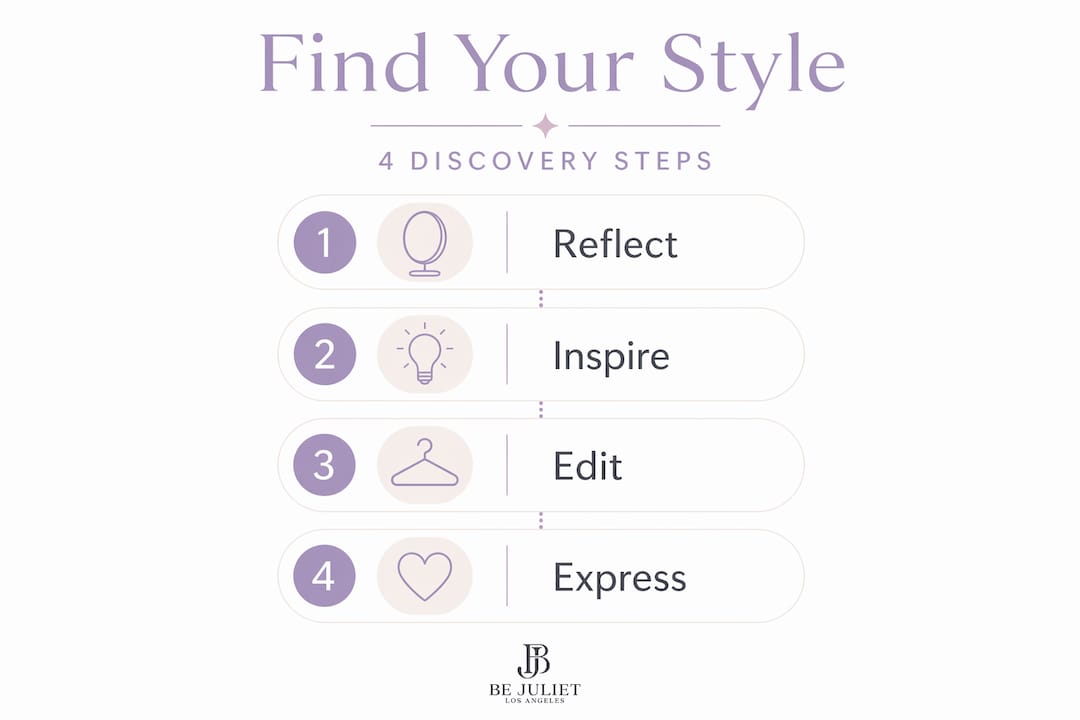
One of the most powerful tools for discovering your fashion identity is a style vision board. The idea is simple: collect images, colors, textures, and moods that genuinely speak to you, not what you think you should like. A fashion vision board helps clarify your authentic style vision by focusing on what makes you feel right in your real life, not just what looks beautiful in an editorial.
There’s also real science behind why clothing choices matter so deeply. Enclothed cognition shows that clothing impacts your thoughts and feelings depending on its symbolic meaning. When you wear something you associate with confidence or creativity, your brain actually starts performing differently. Fashion isn’t vanity. It’s psychology.
- Write down three words that describe the version of yourself you want to project
- Gather 15 to 20 images from Pinterest, magazines, or even screenshots that excite you visually
- Look for patterns in your board: recurring colors, silhouettes, and moods
- Use those patterns as a filter when evaluating what you already own and what you consider buying
Pro Tip: Don’t limit your vision board to clothing. Include interiors, textures, film stills, and travel images that evoke a feeling. Your style identity often speaks through aesthetics you haven’t yet put into words.
Reconnecting with your current wardrobe
Here’s a truth most fashion guides skip: you probably already own pieces you love. You’ve just lost sight of them under the pressure of trends, body changes, or a busy routine that turned getting dressed into a task instead of a pleasure.
The most honest approach to wardrobe reconnection is a “feel test.” Pull everything out, one piece at a time, and actually put it on. Notice your gut reaction. Not “does this fit the trend?” or “was it expensive?” but simply: how does this make me feel? Evaluating how pieces make you feel rather than purging impulsively is the model that actually works.
Here’s a simple process to try over a weekend:
- Pull out every item in one category at a time (tops, bottoms, dresses) rather than tackling everything at once.
- Try each piece on and pause for three seconds. Your first instinct is almost always right.
- Sort into three groups: “I feel great,” “I might feel great with the right pieces,” and “this no longer speaks to me.”
- Set the third group aside without rushing to discard. Let it sit for 30 days before making a final call.
When wardrobes feel full but unsatisfying, it’s often a mismatch between clothing and emotional identity, and a feel test helps resolve that disconnect in a way that a blind purge never will.
Pro Tip: After the feel test, read your personal style guide to understand what your emotional responses are actually telling you about your evolving identity.
Building your core wardrobe foundation
Once you understand your style identity and have a clearer sense of what you already love, the next move is building a solid foundation. Well-fitting basics solve the vast majority of style challenges. Fit alone, more than color or brand, is what makes a look feel polished and confident.
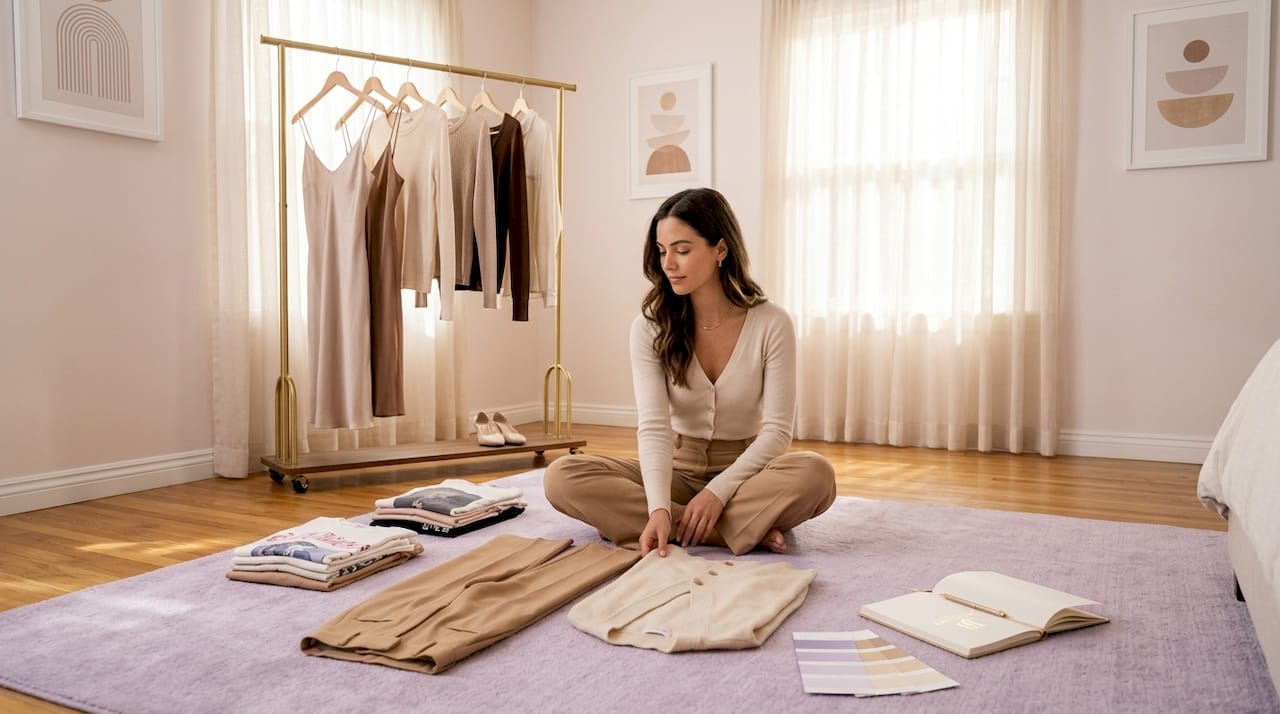
Think about the pieces that appear across your vision board repeatedly. A great-fitting dark jean. A neutral blazer that crosses casual and smart. A simple dress that works with sneakers or sandals. These aren’t boring. They’re the grammar that makes everything else you say with clothing land properly.
A useful framework here is the 70/30 rule: build 70% of your wardrobe with timeless, versatile staples and reserve 30% for statement pieces and trend experiments.
| Wardrobe type | Role | Examples |
|---|---|---|
| Timeless staples (70%) | Daily reliability, easy mixing | Dark jeans, white tees, simple dresses, neutral knitwear |
| Statement and trend pieces (30%) | Personality, seasonal excitement | Bold printed skirts, trend-forward shoes, standout outerwear |
The vision board you built earlier becomes your shopping filter here. Before any purchase, ask whether the piece logically connects to the patterns on your board. This board-to-closet feedback loop prevents impulsive trend chasing and keeps your wardrobe essentials coherent and intentional over time.
Daily styling habits that keep you passionate
Developing a real passion for fashion doesn’t come from a single wardrobe overhaul. It comes from small, consistent habits that make getting dressed feel like something you look forward to instead of something you endure.
Style is a slow, evolving identity process shaped by life experiences, aspirations, and yes, a few fashion mistakes along the way. Give yourself permission to not have it figured out. That’s actually part of the fun.
A few habits worth building:
- Create two or three “go-to outfits” that cover your most common scenarios, like a work day, a casual weekend, and an evening out. Having these mapped out eliminates the stress of daily decisions.
- Assign mental “intent tags” to key pieces in your wardrobe. Wearing clothes with intentional symbolic meaning primes your psychological state and can genuinely shift your mood and confidence before you walk out the door.
- Scroll social media for inspiration, but set a 10-minute limit. Fashion inspiration for everyday life should come more from your own board and real-world observation than from algorithm-curated feeds.
- Experiment seasonally rather than constantly. Pick one new silhouette, color, or styling approach to play with each season.
Pro Tip: Treating your closet as a storytelling tool, rather than a social performance, is the fastest way to build lasting fashion confidence and actually enjoy getting dressed.
My honest take on fashion as identity work
I spent years chasing trends, buying what I saw on everyone else, and ending up with a wardrobe that looked busy but felt empty. The burnout was real. What changed everything for me wasn’t a capsule wardrobe or a shopping ban. It was the realization that treating style as identity work rather than a performance is what prevents that cycle from repeating.
Your relationship with clothes changes as you change. After a move, a new job, or just a shift in confidence, what you want to wear shifts too. I’ve learned to see that as a sign of growth, not inconsistency. The clothes that feel good to you are the ones doing their real job.
Fashion should feel like freedom. Wear what tells your story.
— Jason
Shop the look with Bejuliet
Ready to put this into practice? Bejuliet’s collections are built exactly for the woman who wants her wardrobe to say something real.
Whether you’re building your foundation with versatile clothing that crosses every mood and occasion, or adding a standout piece with one of Bejuliet’s elegant mini dresses, you’ll find pieces crafted with authentic self-expression in mind. And for the days when comfort is the entire point, the loungewear sets have you covered too. Bejuliet believes that great clothing speaks the language of who you actually are, not who an algorithm says you should be. Start exploring and let the pieces do the talking.
FAQ
What does it mean to fall in love with fashion?
Falling in love with fashion means building a personal connection to clothing as a tool for self-expression and identity, rather than simply following trends or buying impulsively.
How do I start discovering my fashion identity?
Start by identifying your values, lifestyle, and the moods you want your clothes to communicate, then create a vision board to capture your authentic aesthetic patterns.
Why do I have a full closet but nothing to wear?
This feeling usually signals a mismatch between your clothing and your emotional identity. A “feel test,” where you try on pieces and note your gut reaction, helps identify which items genuinely align with who you are now.
How many basics do I actually need?
Most style challenges are solved by a small set of well-fitting staples. Following the 70/30 rule, around 70% of your wardrobe should be versatile basics, with 30% left for statement or trend pieces.
Can fashion really affect my mood and confidence?
Yes. The psychological concept of enclothed cognition shows that wearing clothes you associate with specific meanings, like confidence or creativity, actively influences your thoughts and performance throughout the day.