
How to Dress for Yourself and Own Your Style
TL;DR:
- Developing personal style involves aligning clothing choices with how you want to feel rather than chasing trends.
- Auditing your wardrobe systematically helps identify what fits, feels good, and reflects your authentic self.
So many women open a full closet every morning and still feel like they have nothing to wear. Not because the clothes aren’t there, but because none of them feel truly theirs. Learning how to dress for yourself, what fashion insiders call personal style development, is less about buying the right things and more about understanding what actually makes you feel like you. Trends will always exist. Opinions will always be loud. But your authentic style? That lives in the quiet space between what feels good on your body and what lights something up inside you.
Table of Contents
- Key Takeaways
- How to dress for yourself starts in your mind
- Auditing your wardrobe honestly
- Building a wardrobe that actually fits your life
- Putting outfits together with confidence
- My honest take on dressing for yourself
- Shop styles that feel like you
- FAQ
Key Takeaways
| Point | Details |
|---|---|
| Start with feeling, not fashion | Choose a daily “feeling word” to filter outfit choices and stay emotionally aligned. |
| Audit what you already own | Wear each item and notice how it makes you feel before deciding what stays or goes. |
| Build a comfort-first foundation | Prioritize silhouettes and fabrics that work for your real body and actual daily life. |
| Apply the cost-per-wear rule | Divide item cost by expected wears to invest smarter in quality pieces you’ll actually use. |
| Let your style evolve freely | Personal style is an ongoing conversation with yourself, not a fixed destination. |
How to dress for yourself starts in your mind
Before you touch a single hanger, you need to get clear on how you want to feel. Not how you want to look to others. How you want to feel walking into a room, sitting in a meeting, or picking up coffee on a Sunday morning.
Try this: pick one feeling word before you get dressed each day. Calm. Joyful. Powerful. Grounded. Playful. That word becomes your style compass. Filtering your choices through a feeling word takes “dressing for yourself” from a vague intention to an actual, repeatable practice.
This emotional filter works for shopping too. Before you add anything to your cart, ask yourself: does this piece help me feel that word? If the answer is a maybe or a shrug, it’s a no.
- Ask yourself how clothes make you feel physically, not just visually. Tight waistbands and scratchy fabrics undermine your mood even when the look is good.
- Notice which compliments land well and which ones feel off. “You look so professional” might not excite you the same way “You look like you” does.
- Resist the pull of microtrends. Prioritizing authenticity over trends consistently builds more wardrobe satisfaction than chasing what’s current.
- Copying someone else’s style can produce a decent outfit but it doesn’t build your style. Real personal style grows from trusting your own instincts.
Pro Tip: Write your feeling word on a sticky note and put it on your closet door. It sounds small, but the daily visual reminder genuinely shifts how you make decisions.
Auditing your wardrobe honestly
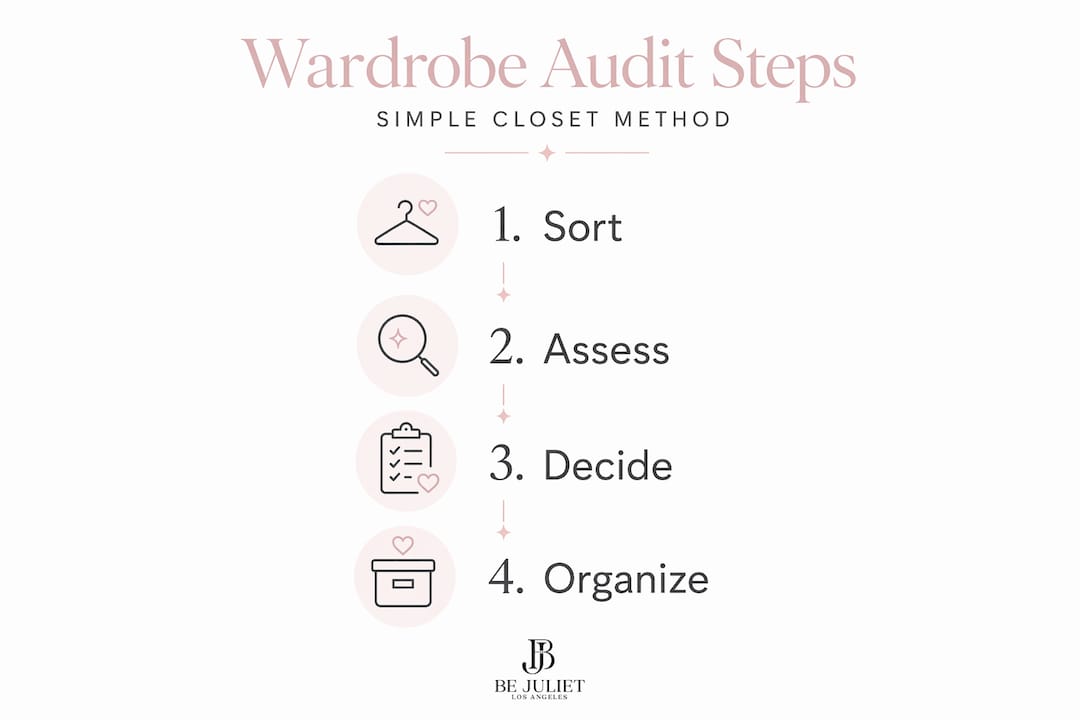
A wardrobe audit is not a dramatic closet purge. It’s a methodical conversation with your clothes. The goal is to understand what already works, what needs to go, and what gaps quietly exist.
Start by wearing each item in your closet, one side at a time. Wearing each piece systematically reveals patterns you can’t see by just looking at hangers. You’ll quickly notice which pieces you reach back for and which ones sit quietly waiting to be donated.
Here’s a simple way to sort what you find:
- Keep: Fits well, feels good emotionally and physically, and works with multiple outfits right now.
- Store: Sentimental or occasion-specific pieces that don’t belong in your daily rotation but matter to you.
- Repair: Items you genuinely love but that need tailoring or a small fix to actually wear.
- Release: Anything that makes you feel “meh,” fits poorly, or that you’ve been holding onto out of guilt.
A 3-tier sorting method like this keeps your daily wardrobe lean, functional, and emotionally aligned without requiring you to throw out everything you own.
Pro Tip: Before buying anything new, enforce this rule: it must work with at least three pieces you already own. This compatibility rule for new purchases prevents impulse buys and style clutter from creeping back in.
| Sorting Category | What Belongs Here | Where It Goes |
|---|---|---|
| Keep | Fits well, feels great, versatile | Front of your closet |
| Store | Occasion pieces, sentimental items | Labeled box or secondary rack |
| Repair | Loved but needs adjustment | Tailor or mending pile |
| Release | Guilt keeps, poor fit, bad feelings | Donate, sell, or recycle |
For more practical guidance on getting your closet to work for you, the wardrobe organization guide at Bejuliet walks you through the process step by step.
Building a wardrobe that actually fits your life
Here’s something the fashion world doesn’t say enough: your body is not the problem. The clothes that don’t fit your body are the problem. Dressing for your actual shape, not some aspirational version of it, is one of the most confidence-building moves you can make.
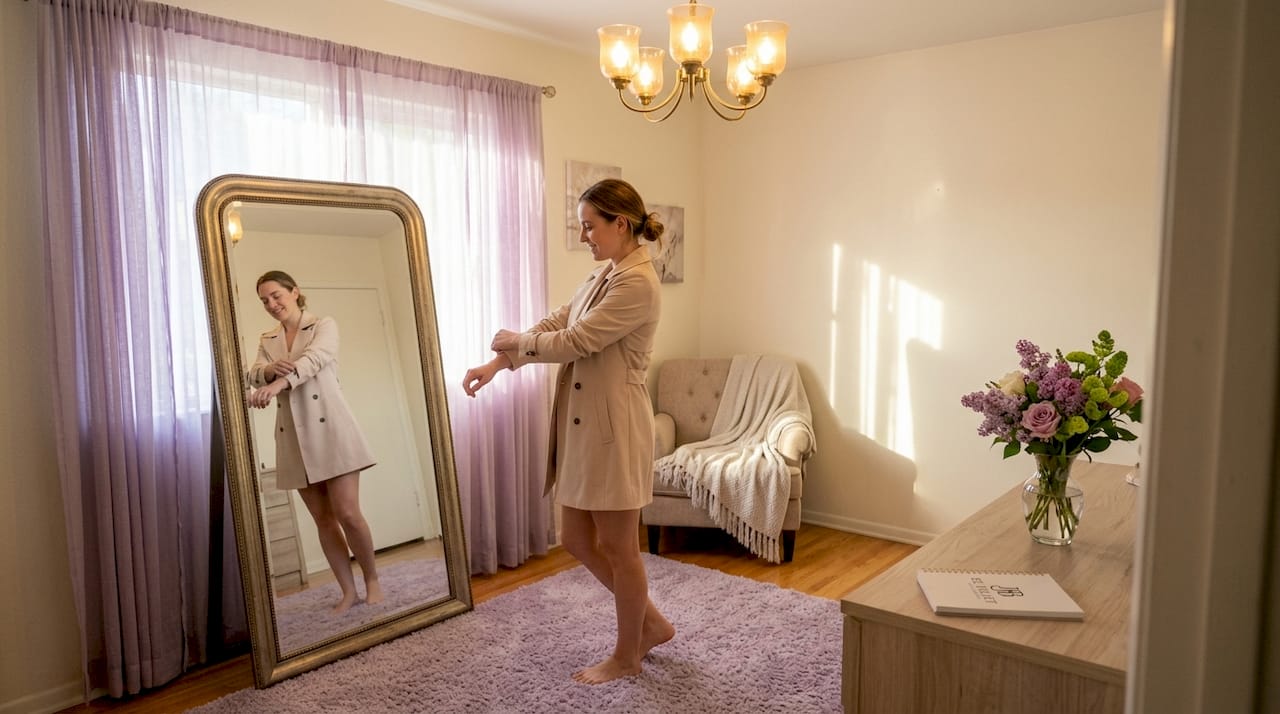
Buying silhouettes that work for your body today creates a reliable foundation that makes getting dressed feel genuinely good. It also means you stop buying things you’ll wear “when” something changes and start wearing things that feel right now.
The Cost Per Wear method is your best friend here. CPW equals item cost divided by expected wears, and it reframes every purchase. A $120 jacket you wear 60 times costs $2 per wear. A $40 top you wear twice costs $20. Quality basics with a low CPW are almost always the smarter buy, and they’re the ones that shape a consistent personal style. For additional tips on stretching your wardrobe budget smartly, this bargain shopping checklist offers surprisingly useful guidance.
When building your foundation, keep these principles in mind:
- Choose fabrics you actually want to live in. Breathable cotton, soft jersey, and relaxed linen feel different at 3pm than they did at 8am. Pay attention.
- Stick to a color story. This doesn’t mean wearing one color. It means choosing shades that genuinely excite you and work together without effort.
- Match your wardrobe to your real life, not your fantasy life. If you work from home three days a week, your wardrobe should reflect that honestly.
- Invest in body-confidence fashion tips that prioritize how you move, not just how you look standing still.
Putting outfits together with confidence
Once your wardrobe reflects who you are, getting dressed becomes genuinely fun instead of stressful. The key is building a small collection of go-to outfit combinations that take the decision fatigue out of your morning.
Think of it as creating your own personal “style uniforms.” Not boring, identical outfits, but reliable combinations you know work. A specific pair of wide-leg pants with a tucked knit top. A wrap dress with your favorite sneakers. These anchors free up mental space for the days when you want to play and experiment.
Here’s how to build that practice:
- Pick three outfits this week that made you feel genuinely good. Write down why. That “why” is your style data.
- Try one new combination each week, mixing pieces you already own. Layering a blazer over a slip dress or adding a bold earring to a simple set changes everything.
- Notice how different clothes affect your mood and energy throughout the day. Clothing influences thoughts and behavior in measurable ways, and your own patterns are worth tracking.
- Let your style shift as you shift. What worked for you two years ago doesn’t have to define you now. Style is an ongoing conversation with yourself, and there is no fixed endpoint.
Pro Tip: Take a photo of every outfit that makes you feel great. Over time, you’ll see clear patterns in silhouette, color, and mood that become your personal style blueprint.
My honest take on dressing for yourself
I’ve seen it happen so many times. Someone builds a wardrobe full of trend pieces, carefully curated to look polished and current, and still feels nothing when they get dressed. The clothes are technically good. But they weren’t chosen for them.
In my experience, the moment you stop asking “is this in style?” and start asking “does this feel like me?” is when dressing becomes genuinely satisfying. It’s not a quick fix. Style journeys are beautifully imperfect and sometimes slow.
What I’ve learned is that self-trust is the actual foundation. Comfort and confidence are inseparable. If something feels off on your body, it will feel off in your mind too, no matter how good it looks in a photo. The women I’ve seen truly own their style are the ones who stopped waiting for permission and started listening to themselves instead.
Your story is specific, layered, and worth wearing. Embrace it.
— Jason
Shop styles that feel like you
If you’re ready to build a wardrobe that actually reflects who you are, Bejuliet has you covered. From relaxed everyday staples to bold statement pieces, every item in the clothing collection is designed with real comfort and authentic self-expression in mind. Whether you’re craving a cozy knit set for a slow morning or a confident silhouette for a night out, you’ll find pieces that feel like a genuine extension of you. And when you want to add personality without overhauling everything, explore the accessories collection for the finishing touches that make an outfit yours.
Fashion should feel like freedom. Wear what tells your story.
FAQ
What does it mean to dress for yourself?
Dressing for yourself means choosing clothing based on how it makes you feel, physically and emotionally, rather than dressing to meet external expectations or follow trends. It’s a practice of self-trust rooted in personal comfort and authentic style.
How do I start finding my personal style?
Start by wearing each item systematically and noting how each piece makes you feel. Over time, patterns in what you reach for and what stays on the hanger will reveal your true preferences.
Can clothes really affect my confidence?
Yes. Research on enclothed cognition confirms that clothing influences thoughts, feelings, and behavior. Wearing pieces that feel emotionally aligned with who you are consistently supports stronger confidence.
How do I avoid buying clothes I never wear?
Apply the three-piece compatibility rule: only buy something new if it works with at least three items you already own. This simple filter stops impulse purchases and keeps your wardrobe intentional.
What is cost-per-wear and why does it matter?
Cost-per-wear is item cost divided by expected number of wears. It helps you invest in quality pieces you’ll actually use rather than cheap items that get worn once and forgotten.