
Affordable Organic Women’s Clothing: Impact on Lifestyle
Over half of American shoppers say they want more sustainable options in their closets, yet affordable organic women’s clothing still feels out of reach for many. This matters as every purchase shapes both personal health and the environmental future of the country. Discover how new brands and smarter choices are making organic style accessible without sacrificing quality or breaking the bank.
Table of Contents
- Defining Affordable Organic Women’s Clothing
- Popular Fabrics And Style Options
- Ethical Sourcing And Sustainable Practices
- Cost Factors And Budget-Friendly Choices
- What To Avoid When Shopping Organic
Key Takeaways
| Point | Details |
|---|---|
| Affordable Organic Fashion | Organic women’s clothing prioritizes sustainable materials and ethical production, making it accessible without compromising quality. |
| Popular Fabrics | Fabrics like organic cotton, hemp, and TENCEL are key to comfort and durability while minimizing environmental impact. |
| Ethical Sourcing | Support brands with GOTS certification and transparent supply chains to ensure responsible production practices. |
| Smart Shopping Strategies | Consider second-hand options, a capsule wardrobe, and versatile pieces to maximize budget while promoting sustainability. |
Defining Affordable Organic Women’s Clothing
Organic clothing represents a conscious approach to fashion that prioritizes sustainable materials, ethical production processes, and environmental responsibility. When we talk about affordable organic women’s clothing, we’re exploring garments crafted from natural fibers like organic cotton, hemp, and bamboo, produced without harmful pesticides or synthetic chemicals. These pieces offer more than just style—they represent a commitment to personal wellness and global ecological preservation.
The core characteristics of affordable organic women’s clothing include using certified organic textiles, implementing fair labor practices, and maintaining transparent supply chains. Unlike conventional fashion, these garments are manufactured with minimal environmental impact, often utilizing sustainable production methods in women’s ethical clothing. Consumers can expect higher quality materials that are gentler on skin, more durable, and contribute to reducing the fashion industry’s carbon footprint.
Pricing for organic clothing has traditionally been higher due to specialized manufacturing processes. However, brands like Be Juliet are revolutionizing this landscape by making sustainable women’s clothing more accessible. By optimizing production techniques and creating versatile, timeless designs, these brands are proving that ethical fashion doesn’t have to come with an exorbitant price tag. The goal is to make responsible clothing choices available to a broader audience, democratizing sustainable fashion.
Pro Tip: Invest in multi-functional organic pieces that can be styled multiple ways, maximizing your wardrobe’s versatility while maintaining a commitment to sustainable fashion choices.
Popular Fabrics and Style Options
When exploring affordable organic women’s clothing, understanding the most popular fabrics becomes crucial for making informed style choices. Green textiles represent an innovative approach to sustainable fashion, featuring materials like organic cotton, hemp, and linen that are cultivated without harmful chemicals. These fabrics not only minimize environmental impact but also offer superior comfort and durability compared to conventional textile options.
Organic cotton remains the cornerstone of sustainable fashion, prized for its softness, breathability, and reduced ecological footprint. Hemp fabric emerges as another remarkable option, known for its incredible strength and natural resistance to bacterial growth. TENCEL, a fabric derived from wood cellulose, provides exceptional moisture-wicking properties and a luxurious feel that rivals traditional synthetic materials. Brands like Tentree are pioneering affordable sustainable clothing options by utilizing these innovative textiles in their design process.
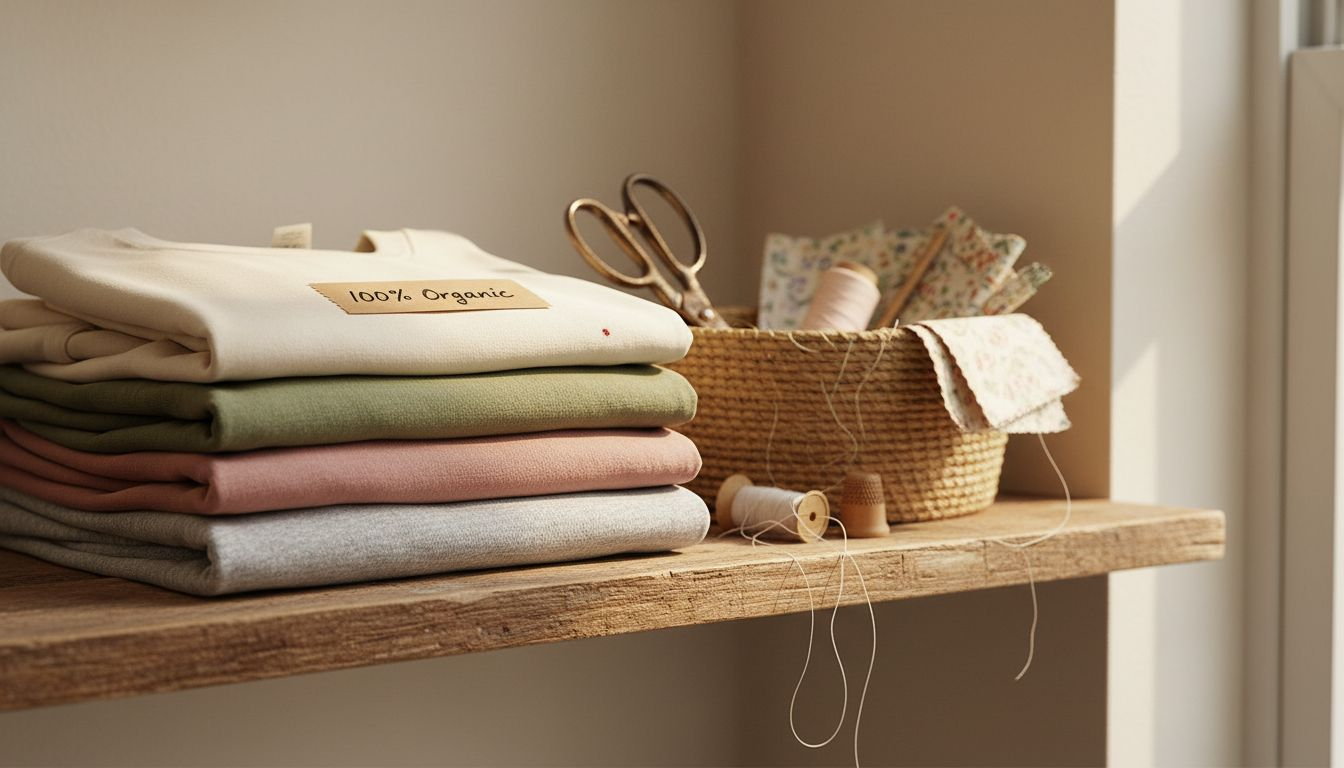
Stylewise, organic fabrics offer remarkable versatility across different fashion aesthetics. Lightweight organic cotton works beautifully for summer sundresses and casual tops, while hemp blends create structured blazers and tailored trousers. The natural drape and texture of these materials allow for effortless styling that transitions seamlessly between professional and relaxed settings. By choosing fabric choices that align with timeless, joyful style, women can build a wardrobe that reflects both personal taste and environmental consciousness.
Pro Tip: Mix and layer organic fabric pieces in complementary textures to create dynamic, adaptable outfits that maximize your sustainable wardrobe’s potential.
Here’s a comparison of popular organic fabrics and their key attributes:
| Fabric | Comfort Level | Durability | Environmental Benefit |
|---|---|---|---|
| Organic Cotton | Very soft, breathable | Long-lasting | Low water use, pesticide-free |
| Hemp | Moderate, breathable | Extremely durable | Grows quickly, minimal inputs |
| TENCEL | Smooth, gentle | Good | Made from certified wood pulp |
| Linen | Cool, lightweight | Strong | Biodegradable, low-impact crop |
Ethical Sourcing and Sustainable Practices
Ethical sourcing represents a fundamental transformation in the fashion industry, moving beyond simple product creation to a holistic approach that prioritizes human and environmental welfare. Ethical fashion emphasizes fair labor practices and environmentally friendly materials, challenging consumers to think critically about the clothing supply chain and its global impact. This approach goes far beyond aesthetic considerations, demanding transparency and accountability from fashion brands.
At the core of ethical sourcing are rigorous certification standards that ensure responsible production. The Global Organic Textile Standard (GOTS) certification provides a comprehensive framework that evaluates textile production across environmental and social criteria. These standards mandate safe working conditions, fair wages, and strict limitations on chemical usage, ensuring that every stage of clothing production respects both human dignity and ecological balance. By supporting brands committed to these principles, consumers directly contribute to transforming industry practices.
Be Juliet understands that sustainable practices extend beyond certification. Our commitment involves selecting materials that minimize environmental impact, supporting fair labor practices, and creating clothing that tells a story of responsible creation. We collaborate with manufacturers who share our vision of creating fashion that empowers workers, protects natural resources, and provides women with clothing that reflects their values. Understanding conscious fashion means recognizing that every purchase is an opportunity to support positive global change.
Pro Tip: Research clothing brands’ sustainability reports and look for specific, measurable commitments to ethical sourcing before making purchasing decisions.
Cost Factors and Budget-Friendly Choices
Navigating the world of affordable organic women’s clothing requires strategic thinking and smart shopping approaches. Purchasing second-hand clothing offers a cost-effective and environmentally friendly option, dramatically reducing textile waste while extending the lifecycle of existing garments. This approach not only makes sustainable fashion more accessible but also allows budget-conscious consumers to invest in high-quality pieces at a fraction of their original price.
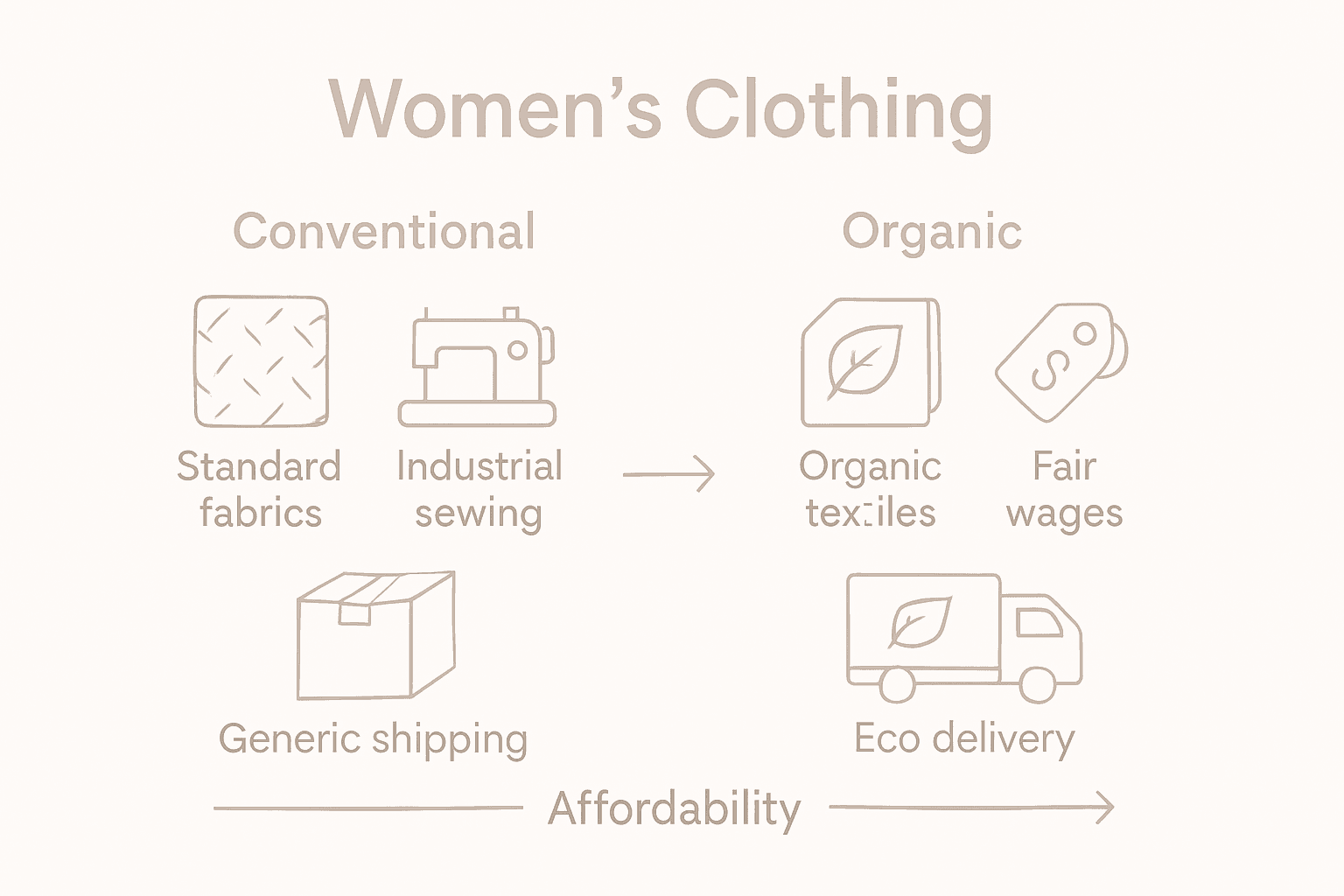
Online resale platforms and vintage stores have revolutionized sustainable fashion shopping, providing multiple strategies for budget-friendly choices. Effective sustainable fashion strategies include learning basic clothing repair skills and developing a capsule wardrobe approach. By investing in versatile, timeless pieces that can be mixed and matched, women can create multiple outfits from fewer items, maximizing their clothing budget while minimizing environmental impact. Thrift stores, consignment shops, and online marketplaces like ThredUp and Poshmark offer curated selections of pre-loved clothing that align with ethical fashion principles.
At Be Juliet, we understand that affordability doesn’t mean compromising on quality or style. Our collections are designed to provide transparent pricing, highlighting the true value of sustainably produced clothing. We focus on creating pieces that offer long-term wear, reducing the need for frequent replacements and ultimately providing better value for our customers. By selecting durable materials, implementing efficient production processes, and understanding conscious fashion choices, we make ethical clothing more accessible to a broader audience.
Pro Tip: Create a clothing budget that prioritizes quality over quantity, focusing on versatile pieces that can be styled multiple ways and will last several seasons.
The table below summarizes key strategies to maximize affordability in organic women’s clothing:
| Strategy | Benefit for Budget | Environmental Impact |
|---|---|---|
| Buying Second-Hand | Lower upfront cost | Reduces textile waste |
| Capsule Wardrobe Approach | Fewer purchases | Limits overconsumption |
| Choosing Versatile Pieces | More outfits, less spending | Extends garment life |
| Repairing and Upcycling | Saves money on replacements | Prevents early discarding |
What to Avoid When Shopping Organic
Shopping for organic clothing requires a discerning eye and critical approach to avoid common pitfalls in the sustainable fashion marketplace. Consumers should be cautious of greenwashing and seek GOTS-certified organic labels, which serve as a reliable indicator of genuine organic production standards. Many brands use misleading marketing terminology that suggests environmental consciousness without substantive commitment to sustainable practices.
Warning signs to watch for include vague environmental claims, lack of transparent supply chain information, and absence of recognized certifications. Considering the entire production ecosystem is crucial when evaluating truly ethical clothing, which means investigating not just the materials, but the labor conditions, manufacturing processes, and overall environmental impact. Brands that cannot provide detailed information about their production methods should be approached with skepticism.
Navigating the organic clothing landscape requires research and critical evaluation. Look beyond surface-level marketing claims and delve into brands’ sustainability reports, certification details, and third-party verifications. Exploring eco-friendly clothing fundamentals can help consumers develop a more nuanced understanding of what constitutes genuinely sustainable fashion. Pay attention to specific details like material sourcing, worker compensation, carbon footprint, and long-term environmental commitment.
Pro Tip: Always request detailed documentation about organic certifications and ask brands specific questions about their sustainability practices before making a purchase.
Elevate Your Lifestyle with Affordable Organic Fashion at Be Juliet
Discover the seamless blend of style, comfort, and sustainability that addresses the challenges of finding affordable organic women’s clothing. This article highlights the importance of choosing ethical fabrics and mindful wardrobes that respect both your personal values and the planet. At Be Juliet, we share your goal of embracing sustainable choices without compromising on beauty and confidence.
Step into a world where every garment tells a story of love and conscious creation. Explore our curated collection of blouses and long sleeve tops made from thoughtfully sourced materials. These pieces are designed to resonate with your authentic self-expression and make sustainable fashion an accessible, joyful part of your daily life.
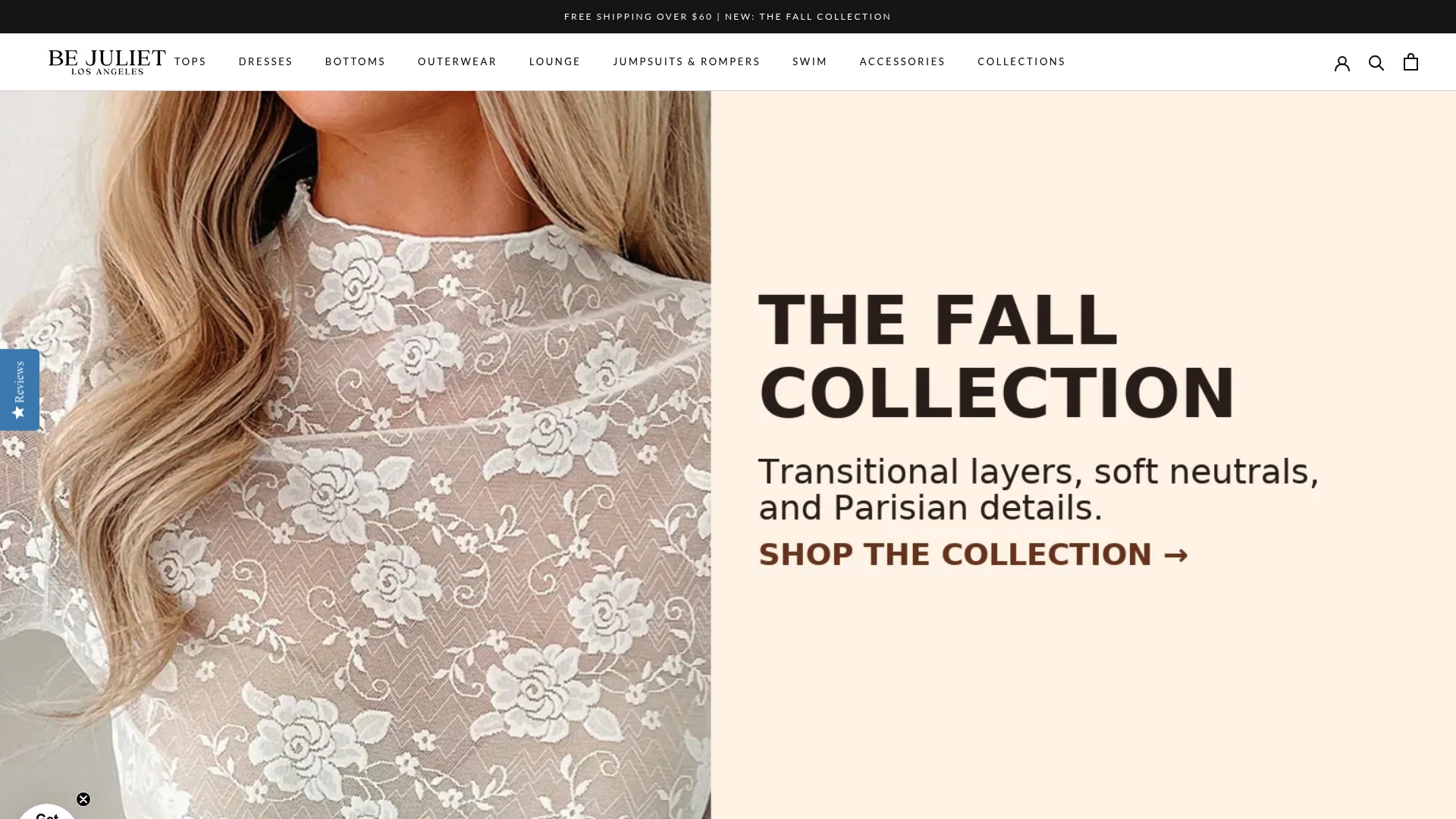
Take the next step toward a wardrobe that mirrors your values and uplifts your spirit. Visit Be Juliet now to find timeless, affordable organic fashion crafted with love and care. Don’t just wear clothes—wear your commitment to a better lifestyle today.
Frequently Asked Questions
What is affordable organic women’s clothing?
Affordable organic women’s clothing consists of garments made from sustainable materials like organic cotton, hemp, and bamboo, produced without harmful pesticides or synthetic chemicals, making them both stylish and environmentally friendly.
How do I know if an organic clothing brand is ethical?
Look for certifications such as the Global Organic Textile Standard (GOTS) which ensures responsible production practices, including fair labor conditions and minimal environmental impact. Additionally, check the brand’s transparency regarding their supply chain and sustainability practices.
What are the benefits of choosing organic fabrics over conventional fabrics?
Organic fabrics are typically softer, more durable, and gentler on the skin than conventional fabrics. They are produced with less environmental impact, as they avoid harmful pesticides and chemicals, making them a healthier choice for both individuals and the planet.
How can I maximize my budget when shopping for organic clothing?
To maximize your budget, consider purchasing second-hand clothing, adopting a capsule wardrobe approach with versatile pieces, and learning basic clothing repair skills. This will help extend the lifespan of your garments and reduce overall spending while supporting sustainable fashion.